 Seminole Siding
 Two Very Different Materials, One Big Decision
If you're re-siding a home in Seminole, you've probably narrowed it down to two finalists: vinyl and fiber cement. They get compared constantly because they're both mid-range options that sit between cheap aluminum and expensive natural wood or masonry. But they are not close cousins. Vinyl is an extruded PVC plastic product. Fiber cement is a composite of cement, sand, and cellulose fibers, pressed and cured into rigid boards. That difference in raw material is the reason almost every other difference on this page exists — how each one handles wind, heat, salt air, and thirty years of Florida weather.
This page lays out the honest trade-offs of each, specifically for Pinellas County conditions. We're not a vinyl installer trying to talk you into an upgrade — we're a Hardie-only contractor, so we have a clear opinion. But we'll tell you where vinyl genuinely makes sense, too.
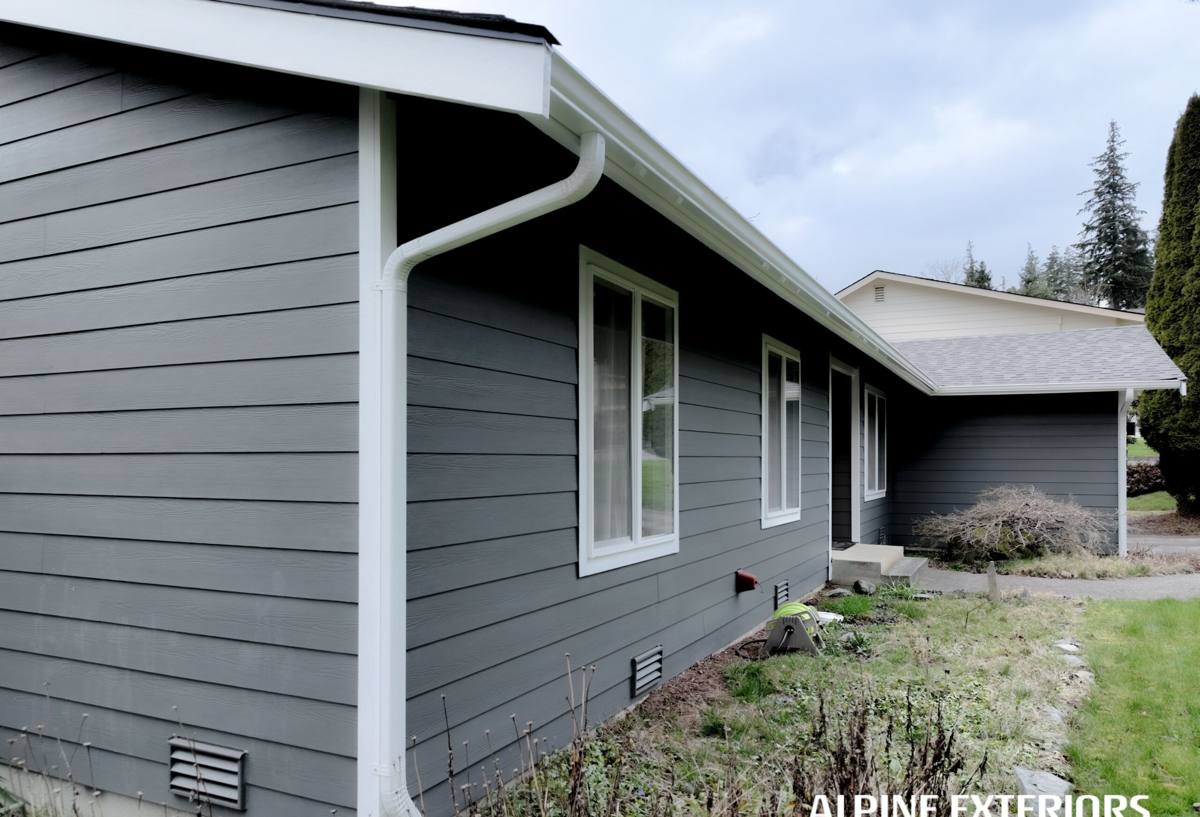
How Each Material Is Built
Vinyl Siding
Vinyl panels are thin, hollow PVC pieces that interlock and hang loosely on nail hem strips, allowing the material to expand and contract with temperature. The color is mixed into the plastic itself, not applied as a coating. Panels are light, inexpensive to produce, and quick to install, which is why vinyl remains the most common siding material sold nationally.
Fiber Cement
Fiber cement boards are solid, several times heavier than vinyl per square foot, and fastened directly and rigidly to the wall structure. James Hardie's HZ5 product line, which we install here, is engineered specifically for high-humidity, storm-prone climates like ours — it's formulated to resist moisture-related warping and swelling better than fiber cement made for northern markets.
Wind and Impact Performance
Seminole sits in a hurricane-exposed part of Pinellas County, and wind load is not a theoretical concern here — it's a design requirement. Vinyl siding is rated for wind resistance, but because it hangs loosely on nail strips rather than being rigidly fastened, high sustained wind and gusts can work panels loose, crack them at the locking edge, or peel them off entirely, especially on corners and gable ends where uplift pressure concentrates. Replacement panels also fade at a different rate than older ones, since vinyl color drifts under UV exposure over time, so patch repairs after a storm often leave a visible mismatch.
Fiber cement is fastened rigidly, board by board, directly to the structure. It doesn't flex or rattle in wind the way vinyl can, and it holds up to wind-driven debris and heavy rain impact better than a thin plastic panel. Correctly installed to Hardie's fastening schedule, it's the more storm-durable of the two — which matters when you're this close to the Gulf.
Salt Air and Coastal Corrosion
Seminole's proximity to the Gulf means salt air is a constant, low-grade stressor on every exterior material — fasteners, trim, and siding alike. Vinyl itself doesn't corrode, but it can become brittle faster in salt-laden, high-UV coastal air, and the exposed nail heads and trim fasteners on a vinyl job are still vulnerable to corrosion if they aren't the right grade. Fiber cement isn't immune to salt exposure either, but the material itself doesn't degrade from it, and when installed with proper corrosion-resistant fasteners and flashing, it holds up well to decades of salt air.
UV Exposure and Color Life
Florida sun is intense and constant, and UV is one of the biggest long-term threats to any siding's appearance. Vinyl color is mixed into the plastic, but standard vinyl still fades and chalks over years of direct sun exposure — lighter colors hold up better than darker ones, which is part of why dark vinyl siding is less common in hot climates. Once it fades, there's no practical way to restore the original color short of replacement.
James Hardie's ColorPlus finish is a factory-applied, baked-on coating engineered specifically to resist UV fading, and it's backed by its own separate finish warranty. It won't stay pristine forever under Florida sun, but it holds color significantly longer than field-painted or unfinished siding, and touch-up paint is available that's formulated to match.
Moisture and Heat Behavior
Wind-driven rain is a regular feature of Pinellas County storms, and how a siding system handles water intrusion behind the panel matters as much as how it looks from the curb. Vinyl doesn't absorb water itself, but it's not a sealed system — water can get behind loose panels, and if the wall assembly beneath isn't properly wrapped and flashed, moisture can sit there. Vinyl also softens and can warp when it gets hot enough, which is a real concern on south- and west-facing walls in a Florida summer.
Fiber cement doesn't soften in heat, and HZ5-rated boards are formulated to resist the moisture absorption and swelling that plagued older-generation fiber cement products in humid climates. It still requires correct flashing and installation to perform — no siding material is waterproof on its own — but the base material itself isn't heat-sensitive.
Fire Resistance
This is a straightforward difference: fiber cement is non-combustible. Vinyl is a petroleum-based plastic and will melt or burn under enough heat, whether from a nearby structure fire, a grill placed too close to the wall, or a wildfire ember. It's not the primary reason most homeowners choose one material over the other, but it's a real difference worth knowing, especially for homes close to neighbors.
Cost, Lifespan, and Maintenance
Vinyl has the lower upfront installed cost, generally by a meaningful margin. But the full-life picture depends on how long each material actually lasts and what it costs to maintain in between.
| Factor | Vinyl Siding | Fiber Cement (James Hardie) |
|---|---|---|
| Typical installed cost | Lower upfront | Higher upfront |
| Expected lifespan | 20-30 years, variable in Florida sun | 30-50+ years when installed to spec |
| Painting needed | Never repainted, but can't be repainted to change color easily either | Not for 15+ years with ColorPlus; can be repainted later |
| Wind resistance | Rated, but panels can loosen or crack in sustained high wind | Rigidly fastened, higher impact and wind tolerance |
| Fire rating | Combustible | Non-combustible |
| Fade resistance | Fades and chalks over years of UV exposure | ColorPlus factory finish resists fading, separately warrantied |
| Resale perception | Standard, budget-friendly | Often viewed as a premium, longer-life upgrade |
The maintenance difference matters more in this climate than in milder ones. A home in Seminole gets more UV hours and more storm cycles per year than a comparable home up north, and both materials age faster here than the manufacturer's national-average numbers suggest. Fiber cement's higher upfront cost is largely a bet on fewer replacement cycles over the life of the home.
Installation Sensitivity
Vinyl is genuinely more forgiving to install — that's part of its appeal to budget-conscious crews. Fiber cement is not forgiving. It requires correct fastener spacing and type, proper clearance from grade and roofline, correctly lapped and caulked joints, and factory-recommended gaps at butt joints to allow for expansion. Installed wrong, fiber cement can trap moisture and fail early, which is exactly the kind of bad outcome that gives the material an undeserved reputation. This is the single biggest reason we standardized on one product line and one installation method rather than offering multiple siding options — a product installed correctly every time beats a product installed inconsistently, regardless of which material it is.
Where We Landed
We don't install vinyl siding, LP SmartSide, or other fiber cement brands. We install James Hardie exclusively, in the HZ5 line engineered for our climate zone. That's a narrower offering than a lot of siding companies advertise, and it's intentional. One product means our crews install it the same correct way every time, we know exactly how it performs against Gulf Coast wind and sun over decades, and Hardie's transferable warranty structure is something we can stand behind without hedging.
Vinyl isn't a bad product — it's a reasonable, budget-conscious choice for plenty of homeowners, and it has genuine advantages in low upfront cost and easy spot-repair. It's just not what we choose to put our name on for a Pinellas County exterior that's going to take hurricane winds, salt air, and Florida sun for the next several decades.
Questions Worth Asking Before You Decide
- What wind speed rating does the manufacturer certify for this specific product and installation method?
- Is the color factory-applied or field-painted, and what's the fade warranty on it?
- Does the installer follow the manufacturer's fastening and clearance specs, or their own shortcuts?
- Is the warranty transferable if you sell the home?
- How does the material perform in high-humidity, high-UV climates specifically — not just national averages?
- What does long-term maintenance actually look like — repainting, caulking, panel replacement?
Get an Honest Look at Your Home
Every home in Seminole faces this decision a little differently depending on sun exposure, wall orientation, and how exposed the property is to wind and salt air. If you'd like a straightforward, no-pressure look at what your siding situation actually calls for, we're glad to come take a look and walk you through it — free estimate, no obligation.