 Seminole Siding
 St. Petersburg's Climate and What It Does to a Home's Exterior
St. Petersburg sits on a peninsula surrounded by Tampa Bay and the Gulf of Mexico, which means almost every home in the city deals with some degree of coastal exposure. That's a different set of stresses than an inland Florida home faces. Salt-laden air moves inland on sea breezes and settles on siding, trim, and fasteners, where it accelerates corrosion and breaks down materials that aren't built to handle it. Add in the intense, near-constant UV exposure of a Gulf Coast summer, wind-driven rain that gets pushed sideways into walls during storms, and the outer bands of hurricanes that regularly brush or hit the Tampa Bay area, and you've got an exterior envelope that's under attack from multiple directions at once, year-round.
Pinellas County's humidity compounds all of this. Materials that trap moisture instead of shedding it are prone to swelling, rot, and mold growth — problems that show up slowly, often behind the siding where you can't see them until the damage is significant. Homes closer to the water get it worse, but even a few miles inland, St. Petersburg's climate is demanding on exterior materials in a way that much of the rest of the country simply doesn't experience.
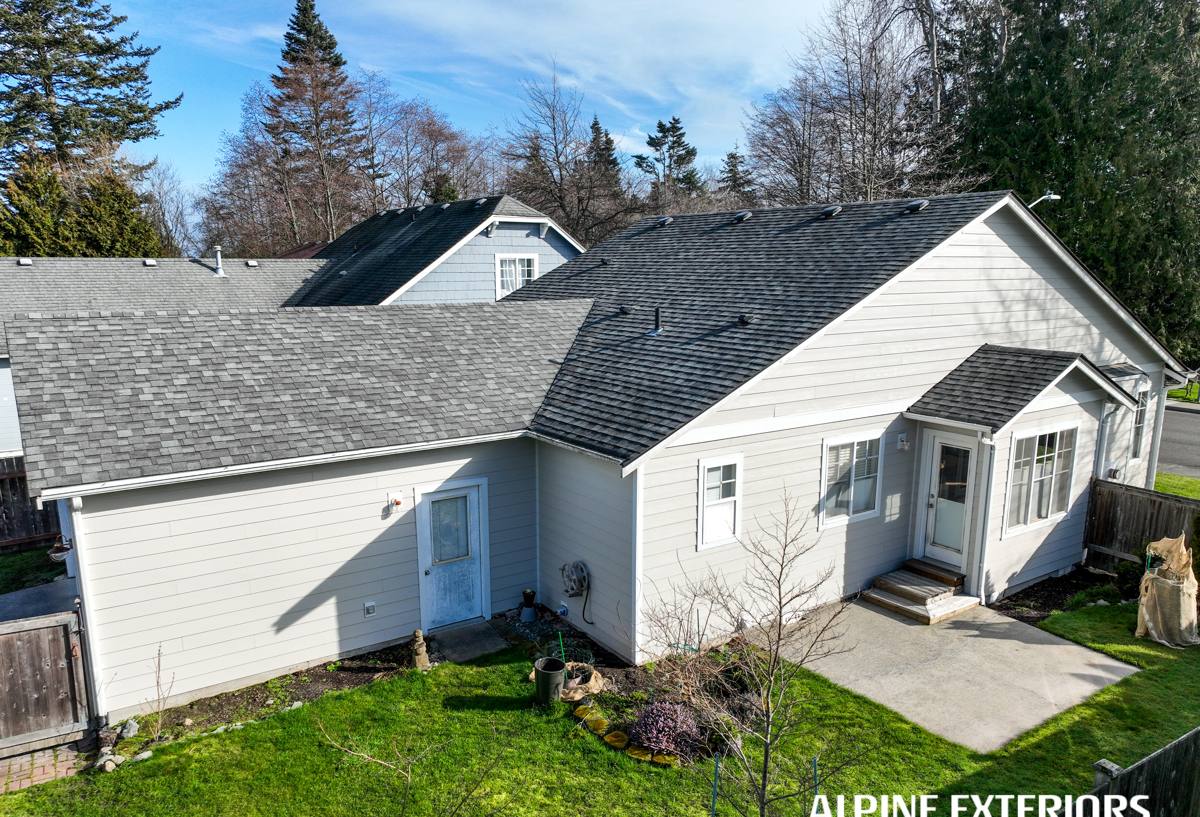
Why We Install James Hardie Fiber Cement, and Nothing Else
Seminole Siding Installer installs one siding product: James Hardie fiber cement. We don't offer vinyl, LP SmartSide, or other engineered wood options, and that's a deliberate standard, not a limitation on what we're capable of installing. In a climate like St. Petersburg's, the differences between products aren't cosmetic — they show up in how a wall performs during a decade of Gulf Coast summers, storms, and salt exposure.
Non-Combustible and Engineered for the Climate
Fiber cement is non-combustible, which matters for insurance considerations as well as safety. James Hardie also produces climate-specific product lines — its HZ5 formulation is engineered for the higher moisture and humidity exposure found along the Gulf Coast, which is the line we spec for St. Petersburg installations.
ColorPlus Factory Finish
James Hardie's ColorPlus finish is baked on in a controlled factory setting rather than sprayed or rolled on site, which gives it more consistent coverage and better fade resistance under intense, sustained UV exposure — a real factor here, where the sun is a bigger long-term threat to paint than in most of the country.
A Warranty Backed by the Manufacturer
James Hardie backs its siding with a strong, transferable limited warranty. That matters in a market like St. Petersburg where homes change hands often — a warranty that transfers to the next owner is a real selling point, not just paperwork.
Siding Services We Provide in St. Petersburg
We handle the full range of siding work, from full replacements on older homes to targeted repairs on newer ones.
- Full siding replacement, including tear-off of existing material and inspection of the sheathing underneath
- New construction and addition siding installation
- Repair of storm-damaged, cracked, or impact-damaged panels
- Trim, soffit, and fascia work to match or complement new siding
- Moisture and rot assessment where siding failure has allowed water intrusion
St. Petersburg has a wide mix of housing stock — mid-century bungalows in the older, established neighborhoods, ranch homes from the postwar boom years, and newer construction further from downtown. Each of those comes with its own quirks: older homes often need sheathing repair or replacement once the old siding comes off, while newer homes may just need a single failing section addressed. We evaluate what's actually there before recommending a full-scale approach.
Beyond Siding: Roofing, Windows, and Decks
Siding is only one piece of a home's exterior envelope, and in a climate this punishing, it doesn't work in isolation. We also handle roofing, window replacement, and deck construction, which lets us look at a home's exterior as a connected system rather than a series of unrelated projects.
That matters practically. A roof with failing flashing can send water down behind siding that's otherwise in good shape. Windows with degraded seals let wind-driven rain track behind trim during a tropical storm. A deck that isn't properly flashed where it meets the house can rot the wall behind it. When one contractor understands how all of these systems interact, problems get caught and addressed together instead of being treated as separate emergencies down the line.
Signs Your St. Petersburg Home Needs Siding Attention
Coastal exposure means siding problems here don't always look dramatic at first. A few things worth checking regularly:
- Soft or spongy spots when you press on siding, especially near the bottom of walls or below windows
- Visible cracking, warping, or buckling panels, particularly on the sides of the house that take the most sun and weather
- Peeling or bubbling paint, which often signals moisture trapped behind the surface rather than just an aging paint job
- Rust streaks near fasteners or trim, a sign that hardware is corroding from salt exposure
- Gaps or separation at seams and corners, which let wind-driven rain get behind the siding during storms
- A musty smell or visible mold on interior walls that share an exterior wall with damaged siding
Catching these early is a lot less expensive than waiting until sheathing or framing is compromised. If you notice any of the above, it's worth having someone take a look before the next storm season adds to the problem.
What Correct Installation Looks Like in a Coastal Market
Fiber cement siding performs the way it's supposed to only when it's installed correctly, and installation quality matters more in St. Petersburg's climate than it would somewhere drier and calmer. A few things we pay close attention to on every job:
Fastening and Fastener Selection
Corrosion-resistant fasteners, set to the manufacturer's specified depth and spacing, are non-negotiable this close to the water. Under- or over-driven fasteners are one of the most common causes of premature siding failure, and salt air will find and exploit any hardware that isn't rated for the exposure.
Flashing and Water Management
Proper flashing around windows, doors, and any penetration in the wall is what actually keeps wind-driven rain out during a tropical storm — the siding itself is the last line of defense, not the first. We follow manufacturer flashing details rather than shortcuts, because a flashing mistake can sit hidden behind the wall for years before it shows up as rot.
Clearances and Expansion Gaps
James Hardie specifies minimum clearances from grade, roof lines, and other surfaces, along with gaps at seams to allow for the material's natural expansion and contraction with heat and humidity. Skipping these is a common way installers create moisture problems that show up months or years later.
Cost Factors for a St. Petersburg Siding Project
Every home is different, but the following factors are what typically move the price on a siding project in this area:
| Factor | Why It Matters |
|---|---|
| Home size and wall complexity | More square footage and more corners, gables, and dormers mean more material and labor |
| Condition of existing sheathing | Rot or water damage found once old siding comes off adds repair scope before new siding goes up |
| Siding profile and finish | Lap siding, shingle-style panels, and trim boards vary in material and installation cost |
| Trim, soffit, and fascia scope | Replacing or upgrading trim alongside siding adds to the project but improves the finished look and durability |
| Access and site conditions | Tight lots, landscaping, or multi-story walls affect labor time and equipment needs |
| Tear-off and disposal | Removing and hauling away old siding is part of most full-replacement quotes |
We walk every home in person before giving a number — condition of the substrate, in particular, can only be judged once we're on site, and it's the single biggest variable in what a project actually costs.
Why a Local Crew Matters
Being based in Seminole means we're working in this same climate, on this same coastline, every day. That's not just a convenience — it shapes how we build. We know which details of an installation matter more here than they would inland: the fastener corrosion resistance, the flashing at every penetration, the clearance from grade near flower beds and irrigation. We're also familiar with Pinellas County's permitting process and the wind-load and building code requirements that apply to exterior work in this area, which keeps projects moving without avoidable delays.
A crew that's local also means someone you can actually reach after the project is done — for warranty questions, for a follow-up look after a bad storm, or just because you noticed something and want a second opinion before it becomes a bigger problem.
Get a Straightforward Look at Your Options
If your St. Petersburg home's siding is aging, damaged, or you're simply planning ahead of the next storm season, we're happy to take a look and give you an honest assessment — no pressure, no inflated scope. Request a free estimate using the form below and we'll walk you through what we see and what it would take to get it right.