 Seminole Siding
 The Damage You See Is Rarely Where It Started
By the time siding looks bad from the curb — a soft spot near a window, a stain bleeding down from a seam, panels that feel spongy when you press on them — the actual problem has usually been developing for months or years behind the surface. Siding is not a single layer of protection. It's a system: the panel itself, the water-resistive barrier underneath it, the flashing around every penetration, and the fasteners holding it all together. When one part of that system fails, water finds its way in long before it shows up on the outside.
For homes in Seminole and the rest of Pinellas County, that gap between "something's wrong underneath" and "you can see it from the driveway" tends to close faster than it would inland. Hurricane-force wind gusts drive rain sideways into wall assemblies that were only ever designed to shed water falling straight down. Intense, near year-round UV breaks down sealants and finishes faster than in milder climates. Salt air off the Gulf accelerates corrosion on fasteners and trim. None of that damage announces itself immediately — it accumulates.
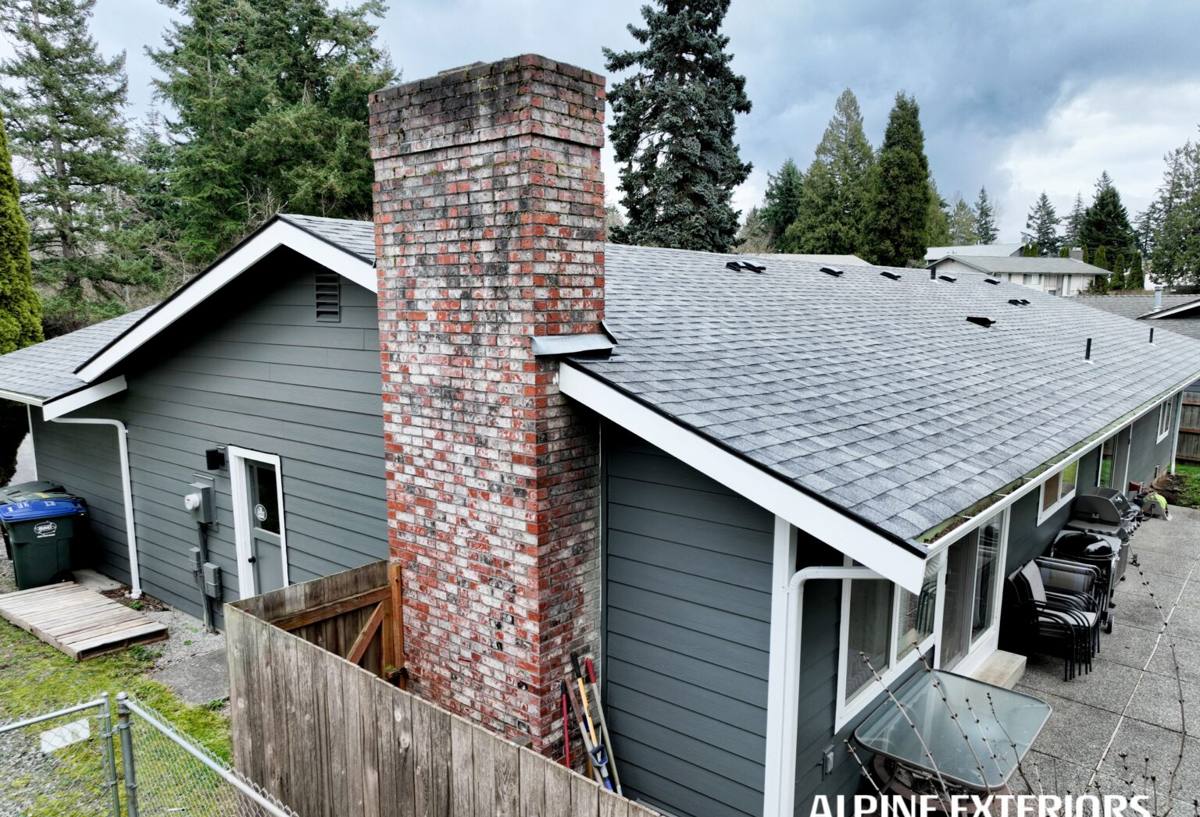
How Water Gets Behind Siding That Looks Intact
Homeowners often assume water intrusion means a crack or an obvious gap. In practice, most water gets behind siding through much smaller, less visible paths:
- Nail and fastener holes that were never sealed correctly, or that have widened as the panel expanded and contracted over time
- Butt joints between panel ends where caulk has dried out, shrunk, or was never applied deep enough to matter
- Flashing around windows, doors, and roof-to-wall intersections that was cut short, reversed, or skipped during installation
- Kick-out flashing missing at roofline-to-wall transitions, letting roof runoff dump directly into the wall
- Siding installed tight to the ground, a deck, or a patio slab, with no gap for water to drain or dry
Every one of these is an installation detail, not a material defect. That's an important distinction: a lot of what gets blamed on "bad siding" is actually the result of a system installed without attention to how water actually moves across a wall.
What Happens Once Water Is Behind the Panel
Once moisture gets past the outer layer, what happens next depends heavily on what it's sitting against. Wood-based sheathing and framing absorb water and stay wet far longer than they take to get wet — especially in Pinellas County's humidity, where the air itself offers little chance for trapped moisture to dry out between rain events. Over weeks and months, that sustained dampness leads to soft, punky wood, fastener corrosion, and eventually structural rot that can spread well beyond the original entry point.
This is why a small, seemingly minor leak at one window can, a year or two later, turn into a repair that involves replacing sheathing and framing several feet away from where the water first got in. Water travels along framing members and settles wherever it can pool — not necessarily where it entered.
Why It's Often Worse Than It Looks From Outside
Fiber cement, vinyl, and engineered wood siding are all rigid enough that they don't visibly sag or deform until the substrate behind them has already been compromised. A wall can look flat and clean while the sheathing behind it is soft enough to push a finger through. That's part of why we recommend addressing suspected moisture issues promptly rather than waiting for visible confirmation — visible confirmation is a late-stage symptom, not an early warning.
UV and Heat Cycling: The Slow, Constant Stress
Coastal Florida doesn't just get hot — it gets intense, direct, nearly year-round sun exposure that most siding materials weren't originally engineered around. UV breaks down caulk and sealant chemistry, causing it to crack, shrink, and lose adhesion years before it would in a northern climate. It also degrades unprotected wood fibers and factory finishes that aren't formulated for this level of exposure.
Alongside UV, daily heat cycling — hot afternoon sun followed by evening cooling, repeated for months — causes materials to expand and contract. Materials that don't handle that movement well develop stress cracks at fastener points and joints, which become new entry paths for water. This is a slow process, which is exactly why it's easy to underestimate: the damage compounds a little more every summer.
Wind-Driven Rain and Storm Loads
Seminole sits close enough to the Gulf that wind-driven rain during tropical storms and hurricane season isn't a rare event — it's a recurring stress test for every wall assembly in the county. Rain driven sideways at 40, 60, or higher miles per hour behaves completely differently than rain falling straight down. It gets forced up under laps, into fastener holes, and through any joint that isn't sealed to handle lateral pressure.
High wind loads also put mechanical stress directly on the siding and its fasteners, which is why fastening pattern, fastener type, and panel engineering matter as much as the water-resistive barrier underneath. A siding system rated and installed correctly for coastal wind exposure sheds wind-driven rain and stays mechanically attached; one that isn't can develop both water intrusion and loosened panels after a single significant storm.
Salt Air and Corrosion
Proximity to the Gulf means airborne salt is a constant, low-level factor on every exterior surface in this part of Pinellas County. Salt accelerates corrosion on exposed metal — fasteners, flashing, trim connectors — and that corrosion weakens the very hardware holding the siding system together. A rusted or corroded fastener doesn't hold panels as tightly, which opens gaps for water, which accelerates the sheathing damage described above. It's a compounding cycle, not an isolated cosmetic issue.
Warning Signs Worth Checking Now
Most of these can be spotted from the ground or with a short walk around the exterior — no need to remove any siding:
- Soft or spongy spots when you press on siding near the bottom edges, corners, or below windows
- Visible staining, streaking, or discoloration running down from seams, window trim, or roof-to-wall intersections
- Bubbling, peeling, or blistering paint or finish, especially in one recurring spot
- Caulk lines that have cracked, shrunk away from the joint, or gone missing entirely
- A musty smell in interior rooms along an exterior wall, particularly after rain
- Visible gaps, warping, or panels that look slightly separated from the wall
- Insect activity — termites and carpenter ants are drawn to damp, softened wood
None of these alone is an emergency, but any one of them is worth having looked at before the next storm season, not after.
How Different Siding Materials Respond to Trapped Moisture
Not every siding material handles the moisture cycle above the same way. This is a big part of why we made the decision, as a company, to install only one product system rather than offer several.
| Material | Behavior once moisture gets behind it | Typical maintenance burden in this climate |
|---|---|---|
| Vinyl siding | Doesn't rot itself, but rarely stops water — moisture passes through and behind it to whatever substrate is underneath | Low on the panel, but hides substrate damage longer since it can't be pressure-tested by touch |
| Primed wood / cedar | Absorbs moisture directly, swells, and can rot at a wood-fiber level, especially at end grain and fastener points | High — repainting and caulk maintenance on a tight cycle to keep ahead of UV and moisture |
| Engineered wood (e.g., OSB-based) | Wood-fiber core is vulnerable to swelling and edge deterioration if the factory-sealed edges are compromised during install | Moderate to high — very installation-sensitive; performance depends heavily on correct sealing at every cut edge |
| James Hardie fiber cement | Non-combustible, dimensionally stable core resists moisture-driven swelling and doesn't feed rot itself | Low — factory ColorPlus finish is engineered for UV and coastal exposure; installation to spec is still what determines results |
The material comparison matters, but it's worth being direct about one thing: even the best siding material fails if the flashing, sealant, and fastening details underneath it are wrong. Material choice reduces risk; correct installation is what actually prevents the problem described throughout this page.
Why We Install Only James Hardie
We standardized on James Hardie fiber cement because, of everything on the market, it holds up most consistently against the specific stresses this part of Florida applies to a wall — sustained humidity, intense UV, salt air, and wind-driven rain. It's non-combustible, dimensionally stable so it isn't prone to the swelling and warping that drives moisture problems in wood-based products, and its ColorPlus factory finish is engineered to resist the UV fading and cracking that shortens the life of field-applied paint. Hardie also backs its climate-engineered HZ product lines with a strong transferable warranty, which matters when a product is going to spend the next several decades facing Gulf coast weather.
That said, no siding material — Hardie included — replaces correct installation. The flashing, the water-resistive barrier, the fastening pattern, and the sealant details are what actually keep water out of the wall. We install Hardie because it gives that system its best chance of holding up in this climate, and we pay the same attention to the details underneath it that this whole page has been about.
Get a Second Opinion Before It Gets Expensive
If you're seeing any of the warning signs above, or you just want an honest read on how your current siding and the wall behind it are holding up, we're happy to take a look. We offer free, no-pressure estimates — no obligation, just a straight assessment of what's going on and what your options are.