 Seminole Siding
 Madeira Beach Sits Right at the Edge of the Gulf's Weather
Madeira Beach is about as close to the water as a Pinellas County home can get, and that proximity is exactly what makes its exterior needs different from a house ten miles inland. Homes here deal with salt-laden air moving off the Gulf almost every day, direct sun exposure that doesn't let up for most of the year, and the real possibility of tropical storm or hurricane-force wind and wind-driven rain during the season. None of that is unique to any one street or block in the area — it's the baseline condition for barrier island and near-coastal living throughout Seminole and the surrounding Pinellas communities. What it means practically is that exterior materials and workmanship that hold up fine in a drier, more sheltered part of the state can fail years early here.
As a local siding, roofing, window, and deck contractor working throughout Seminole and the beach communities, we've built our approach around that reality rather than around a generic install-anywhere playbook. That shows up in the products we choose, the way we detail flashing and fastening, and the honest conversations we have with homeowners about what actually lasts this close to the water.
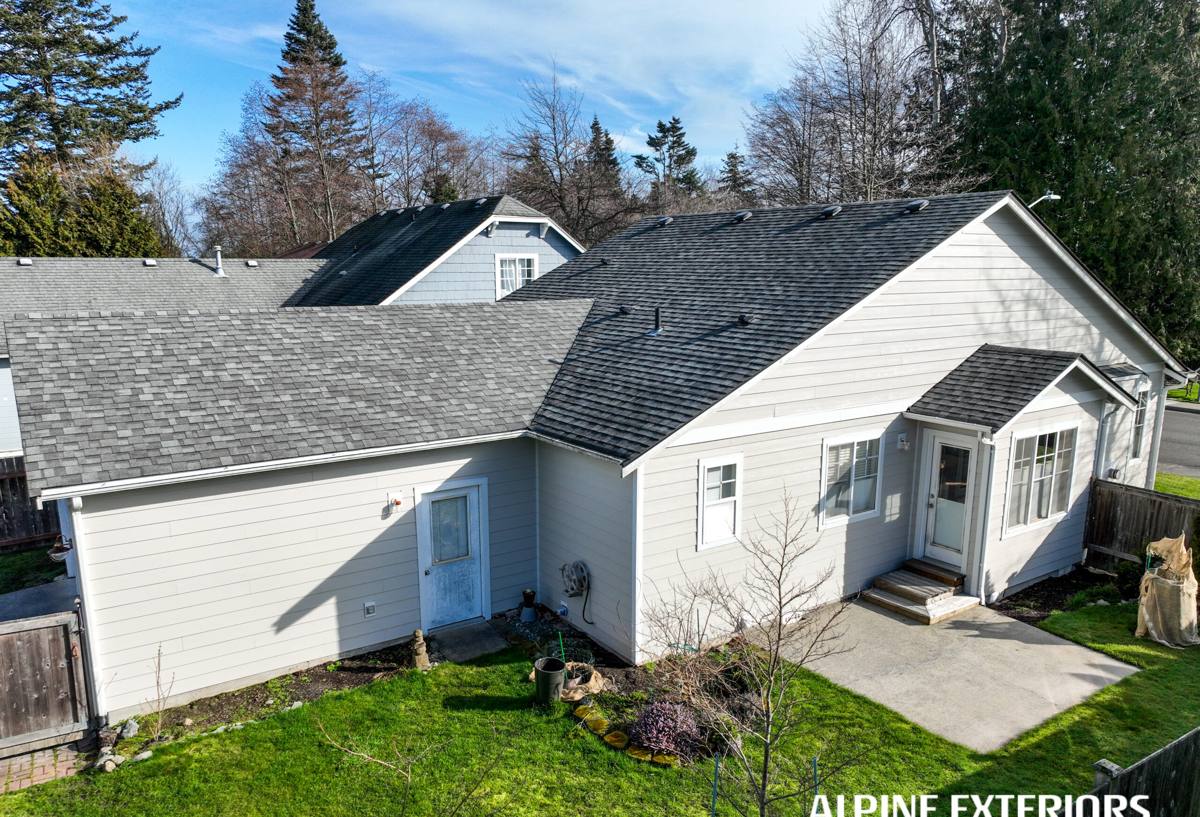
What Salt Air, UV, and Storm Wind Actually Do to a Home's Exterior
Salt Air and Moisture
Airborne salt is corrosive to metal fasteners, trim, and hardware, and it settles into porous or poorly sealed materials over time. On siding, that often shows up as accelerated fading, chalking, or edge deterioration, especially on products that rely on a field-applied paint film rather than a factory-cured finish. On decks, it accelerates corrosion of hardware and connectors long before the visible wood or composite surface looks worn.
Constant UV Exposure
Florida sun is intense and consistent nearly year-round. Paint and coatings that aren't engineered for it chalk, fade unevenly, and lose adhesion faster than manufacturers' generic warranty language usually implies. This is one of the most common reasons homeowners end up repainting siding on a cycle that's much shorter than they expected when they first had it installed.
Wind and Wind-Driven Rain
During hurricane season, the combination of high wind and horizontal rain pushes water into every gap, seam, and fastener penetration in a building envelope. Siding, roofing, and windows all have to work together as a system here — if one component is under-built or poorly installed, water finds its way in, and the damage often isn't visible until it's already spread behind the surface.
Why We Install Only James Hardie Fiber Cement Siding
We made a deliberate decision as a company: we install James Hardie fiber cement siding exclusively. We don't install vinyl siding, LP SmartSide, Cemplank, Allura, or primed wood products like spruce or cedar. That's not a knock on every homeowner who has one of those products already on their house — many of them perform reasonably under the right conditions. It's a standard we hold for what we're willing to put our name behind in this specific climate.
The trade-offs with the alternatives
- Vinyl siding can warp, sag, or become brittle under sustained heat and UV, and it has a lower wind-load ceiling than fiber cement in most product lines — a real consideration this close to open water.
- LP SmartSide and other engineered wood products use wood strand cores. If moisture gets behind the surface through a compromised seam or fastener, the core can swell or degrade, and that risk goes up in a humid, storm-exposed coastal environment.
- Cemplank and Allura are also fiber cement, and reasonable products in their own right — but we've standardized on one manufacturer's system, installation training, and warranty structure rather than mixing supply chains, so we can stand behind the whole job.
- Primed spruce or cedar requires the most ongoing maintenance of any of these options — regular repainting, caulking, and moisture monitoring — which is a hard sell in a climate that's actively working against painted wood twelve months a year.
Why James Hardie specifically
James Hardie fiber cement is non-combustible, dimensionally stable, and resists moisture, pests, and impact far better than wood-based alternatives. The ColorPlus factory finish is baked on under controlled conditions rather than field-applied, which matters enormously under Gulf Coast UV — it holds color longer than most site-applied paint jobs. Hardie also engineers specific product lines (their HZ5 designation, for example) for humid, high-moisture climates like ours, which is a meaningful difference from a one-size-fits-all product sold the same way in Arizona and Florida alike. The transferable limited warranty backs the product for the life of typical ownership, which gives homeowners real protection instead of a warranty that quietly becomes someone else's problem at resale.
How We Approach a Siding Job in Madeira Beach and Seminole
Every install starts with an assessment of the existing wall assembly — what's underneath the current siding, whether there's hidden moisture damage, and how the home's trim, flashing, and window openings are currently detailed. Coastal homes, especially older ones, often have decades of small compromises stacked on top of each other, and those need to be corrected before new siding goes on, not covered up.
From there, our process generally includes:
- Removing old siding and inspecting sheathing for rot, delamination, or prior water intrusion
- Repairing or replacing damaged sheathing and correcting any flashing details around windows, doors, and roof-to-wall intersections
- Installing a proper weather-resistive barrier suited to the wall assembly
- Installing James Hardie panels, planks, or trim to manufacturer fastening specifications, adjusted for local wind exposure
- Sealing and detailing penetrations, corners, and terminations to keep wind-driven rain out
- Final walkthrough covering care, maintenance expectations, and warranty registration
Fastening specification is not a place to cut corners this close to the water — the difference between a code-minimum fastening pattern and one that accounts for actual local wind exposure is often the difference between siding that survives a storm season and siding that doesn't.
Roofing, Windows, and Decks Face the Same Environment
Siding doesn't work in isolation, and neither do we. Roofing, windows, and decks all take the same salt air, UV, and wind exposure, and a weak point in any one of them undermines the whole building envelope.
Roofing
A roof system in this area needs correct underlayment, proper flashing at every penetration, and fastening that accounts for real wind uplift — not just what a spec sheet lists as a minimum.
Windows
Impact-rated or properly protected windows, installed with correct flashing integration into the wall assembly, are a critical seam where water intrusion problems most often start if the install is rushed.
Decks
Outdoor structures take the most direct, unrelenting exposure of anything on the property. Fastener corrosion resistance and structural connection details matter more here than the decking surface material itself.
What Drives Cost on a Coastal Exterior Project
| Factor | Why It Matters Here |
|---|---|
| Extent of hidden damage | Coastal moisture exposure often means more sheathing repair is needed than an inland job |
| Home size and wall complexity | More corners, dormers, and penetrations mean more detailing and labor time |
| Siding profile and trim selection | Lap siding, panel systems, and trim boards vary in material and labor cost |
| Fastening and wind-exposure requirements | Proximity to open water can call for tighter fastening schedules than code minimums |
| Scope bundling | Combining siding with roofing, window, or deck work can reduce redundant setup and access costs |
We give homeowners specific numbers after an in-person look at the property, not a generic square-footage estimate over the phone — coastal jobs vary too much for that to be honest.
Hurricane Season Realities for This Area
Pinellas County's coastal communities, Madeira Beach included, sit under real hurricane exposure most years. That doesn't mean every storm causes damage, but it does mean an exterior should be built assuming a storm will eventually test it. That includes proper siding fastening, correctly flashed and sealed window and door openings, roofing rated and installed for local wind zones, and deck connections that won't corrode and fail quietly over a few seasons. We build to that standard by default, not as an upsell.
Choosing a Local Contractor for Coastal Work
A contractor who mainly works inland can still do a technically fine install and still get coastal details wrong, simply because the environment doesn't force those lessons the same way. Working regularly in Seminole, Madeira Beach, and the surrounding Pinellas County beach communities means seeing firsthand what salt air, sun, and storms actually do to different products and installation choices over years, not just at handoff.
Questions worth asking any exterior contractor before hiring them for coastal work:
- Do you regularly work in barrier island or near-coastal communities, and can you speak specifically to how that changes your approach?
- What fastening schedule do you use, and is it adjusted for wind exposure or just code minimum?
- Are you licensed and insured for exterior work in Florida, and can you provide proof?
- What warranty applies to materials versus labor, and is it transferable if the home sells?
- Will you inspect and address hidden sheathing or moisture damage as part of the scope, not as a change-order surprise?
If you own a home in Madeira Beach or the surrounding Seminole area and want a straight, no-pressure look at what your siding, roofing, windows, or deck actually need, we're glad to come take a look. The estimate is free, and there's no obligation attached to it — just an honest assessment from a crew that works this coastline regularly.