 Seminole Siding
 Siding in Pinellas Park: A Different Kind of Climate Test
Pinellas Park sits inland from the beaches but doesn't get much of a break from Florida's exterior stressors. The county's humidity and salt-laden air move well past the immediate coastline, especially with the near-constant onshore breezes that sweep across the peninsula. Add in the summer sun that bakes exterior walls for months at a time, seasonal wind-driven rain, and the occasional direct hit from tropical systems, and you've got a checklist of conditions that will find any weakness in a home's exterior over time. We work throughout Pinellas County from our base in Seminole, and Pinellas Park homes see all of the same core issues we deal with closer to the water — just at a slightly different pace.
None of this means every home needs new siding immediately. It does mean that when siding starts to fail here, it tends to fail in predictable ways, and knowing what to look for helps homeowners make a good decision instead of a rushed one.
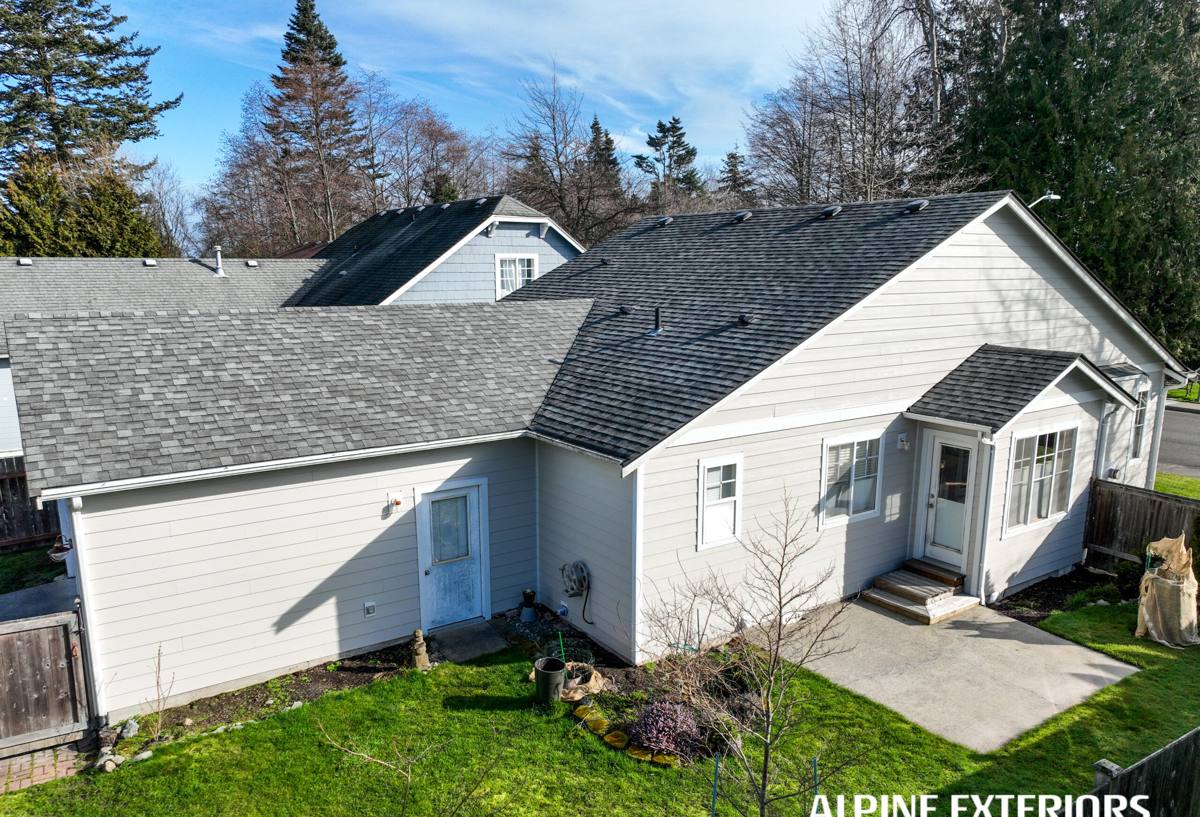
What Pinellas Park Homes Typically Face
UV and Heat Fatigue
Central Florida sun is intense nearly year-round, not just in summer. Painted wood and lower-grade composite sidings absorb that heat and UV load daily, which accelerates fading, chalking, and eventually cracking as the material dries out and loses flexibility. South- and west-facing walls usually show wear first.
Wind-Driven Rain
Florida storms rarely fall straight down. Squalls and tropical systems push rain sideways with real force, and that's when weak seams, poor flashing, and aging caulk lines get exposed. Water doesn't need a big gap to get behind siding — it needs a small one and enough wind pressure to drive it in.
Humidity and Moisture Cycling
Pinellas County's humidity keeps exterior wall assemblies damp longer than drier climates do. Materials that absorb moisture and swell, then dry out and shrink, go through that cycle over and over. Over years, that cycling is what causes warping, delamination, and soft spots in siding that isn't built to handle it.
Salt Air Exposure
Pinellas Park isn't beachfront, but it's not far removed either, and salt-bearing air travels. Salt accelerates corrosion on fasteners and trim and contributes to the breakdown of certain paints and coatings faster than inland climates would.
Windstorm Risk
Every home in this area needs to be built with hurricane-force wind in mind. Loose panels, lifted trim, and impact damage from wind-borne debris are common causes of emergency siding repairs after a named storm passes through.
Why We Only Install James Hardie Fiber Cement
We get asked why we don't offer vinyl, LP SmartSide, or the other composite and engineered-wood products that are common in this market. It's a fair question, and the honest answer is that we made a standard for ourselves based on what holds up in this climate over the long run, not what's cheapest to install.
Vinyl
Vinyl siding is affordable and easy to install, and for some budgets it's a reasonable choice. But it's a thin plastic material that softens and can warp under sustained heat, becomes brittle with age and UV exposure, and has real limits on wind resistance compared to fiber cement. In a market with our sun load and storm exposure, we don't think it's the right long-term investment for most homeowners.
LP SmartSide and Engineered Wood
Engineered wood products have improved a lot over the years and can perform well when installed and maintained correctly. The trade-off is that they're wood-based, which means they remain more sensitive to sustained moisture exposure than fiber cement, and joints, cut edges, and fastener points need to stay properly sealed and maintained to avoid swelling or rot over time. In a high-humidity, high-rain environment, that maintenance margin matters.
Primed Spruce, Cedar, and Other Wood Sidings
Traditional wood siding can look great, but it demands the most upkeep of any option — regular repainting, sealing, and inspection for pests and rot. In Pinellas County's climate, that upkeep schedule is aggressive, and skipping a cycle can cost a homeowner real money in repairs.
James Hardie fiber cement is non-combustible, engineered specifically for climates like ours through its HZ5 product line, doesn't absorb moisture the way wood-based products do, and holds a factory-applied ColorPlus finish that resists fading far longer than field-applied paint. It's not the cheapest material on the market, but it's the one we're willing to put our name behind.
The James Hardie System We Install
| Component | Purpose |
|---|---|
| HZ5 fiber cement panels/lap | Engineered for hot, humid, storm-prone climate zones like ours |
| ColorPlus factory finish | Baked-on color coat resists UV fading and chipping better than field paint |
| Rain screen / moisture barrier | Manages incidental moisture behind the siding, away from sheathing |
| Corrosion-resistant fasteners and trim | Holds up against salt air and repeated wet/dry cycling |
| Hardie trim and soffit | Matches the siding system for a consistent, durable exterior |
Hardie offers lap siding, panel siding, and shingle-style profiles, along with a wide ColorPlus palette, so homeowners aren't limited to one look. What stays constant across all of it is the underlying material and its performance in this climate.
How a Replacement Project Actually Runs
Assessment
We start by walking the home and identifying where the existing siding is failing — moisture intrusion, fastener corrosion, warping, or storm damage — and checking the condition of the sheathing underneath, since that's often where hidden problems live.
Removal and Prep
Old siding comes off, damaged sheathing gets repaired or replaced, and the wall assembly is prepped with a proper moisture barrier before anything new goes up. This step gets skipped or rushed on cut-rate jobs, and it's usually where future problems start.
Installation to Manufacturer Spec
James Hardie's warranty depends on correct installation — proper fastener spacing, clearances, caulking, and flashing details. We install to that spec, not to a shortcut version of it.
Final Inspection
We walk the finished job looking for consistent reveals, tight seams, and properly sealed trim and penetrations before we call it done.
Cost Factors Homeowners Should Know
| Factor | How It Affects Cost |
|---|---|
| Home size and wall complexity | More square footage and more corners, dormers, and trim detail add labor time |
| Extent of sheathing repair needed | Hidden moisture or rot damage found during tear-off adds material and labor |
| Siding profile chosen | Lap, panel, and shingle-style Hardie products vary in material and install cost |
| Trim and accessory scope | Full trim replacement costs more than reusing sound existing trim |
| Site access | Fencing, landscaping, and multi-story sections can add time and equipment needs |
We won't quote a number without seeing the home, but we're always upfront about what's driving the price on a given estimate rather than leaving homeowners guessing.
Siding Is One Piece of the Exterior Envelope
Siding doesn't fail in isolation. Roof leaks, failing windows, and rotted deck framing often share the same root causes — sustained moisture exposure and storm stress — and they tend to show up around the same time in a home's life. Since we also handle roofing, windows, and decks, we can look at a Pinellas Park home's exterior as a whole system rather than quoting siding while ignoring a flashing issue at the roofline or a window that's letting water into the wall cavity. That matters because a new siding installation over an unresolved moisture source just hides the problem instead of fixing it.
Why a Local Seminole Crew Matters for Pinellas Park
We're based in Seminole and work throughout Pinellas County, which means Pinellas Park isn't a stretch assignment for us — it's part of the same climate zone and building environment we deal with daily. That local familiarity shows up in practical ways: knowing how local wind and rain exposure typically affects different home orientations, understanding the permitting and inspection expectations in this county, and being reachable afterward if a question comes up rather than being a crew that rolled through from out of the area for one job. A siding system is only as good as its installation, and installation quality is easiest to stand behind when the crew doing it is accountable in the same community they're working in.
Signs It's Time to Look at Your Siding
- Visible warping, buckling, or soft spots when pressed
- Paint that's persistently peeling, bubbling, or chalking heavily
- Cracks or gaps at seams, corners, or trim joints
- Rust staining around fasteners or trim
- Rising energy bills that suggest the wall assembly is no longer performing
- Musty odors or visible mold near exterior walls
- Damage after a storm — lifted panels, cracks, or missing sections
Questions to Ask Any Contractor Before You Hire
- Are you licensed and insured to work in Pinellas County?
- Will you inspect and repair sheathing before installing new siding, not just cover it?
- What installation spec are you following, and does it match manufacturer requirements?
- What does the material warranty cover, and is it transferable if you sell the home?
- Can you provide a written, itemized estimate before work begins?
If your Pinellas Park home's siding is showing its age or storm damage, we're happy to take a look and walk you through what we're seeing — no pressure, no obligation. Reach out for a free estimate using the form below.