 Seminole Siding
 Siding Built for Largo's Coastal Pinellas Climate
Largo sits inland from the Gulf beaches but still lives inside the same weather system that batters the rest of Pinellas County. Homes here deal with long stretches of intense UV, sudden downpours that come in sideways on a gusty afternoon, tropical system threats every hurricane season, and a steady dose of salt-laden air carried in off the Gulf of Mexico and Tampa Bay. None of that is unique to Largo, but the combination is relentless, and it shows up first in the exterior cladding of a house — fading paint, swelling trim, soft spots at the bottom courses of siding, and caulking that gives up years before anyone expects it to.
We work throughout the Seminole and Largo area and see the same failure patterns over and over on homes with the wrong siding for this climate, or siding that was installed without the flashing and clearance details this region demands. That repetition is exactly why we standardized on one product system rather than offering a menu of options that all perform differently in salt air and humidity.
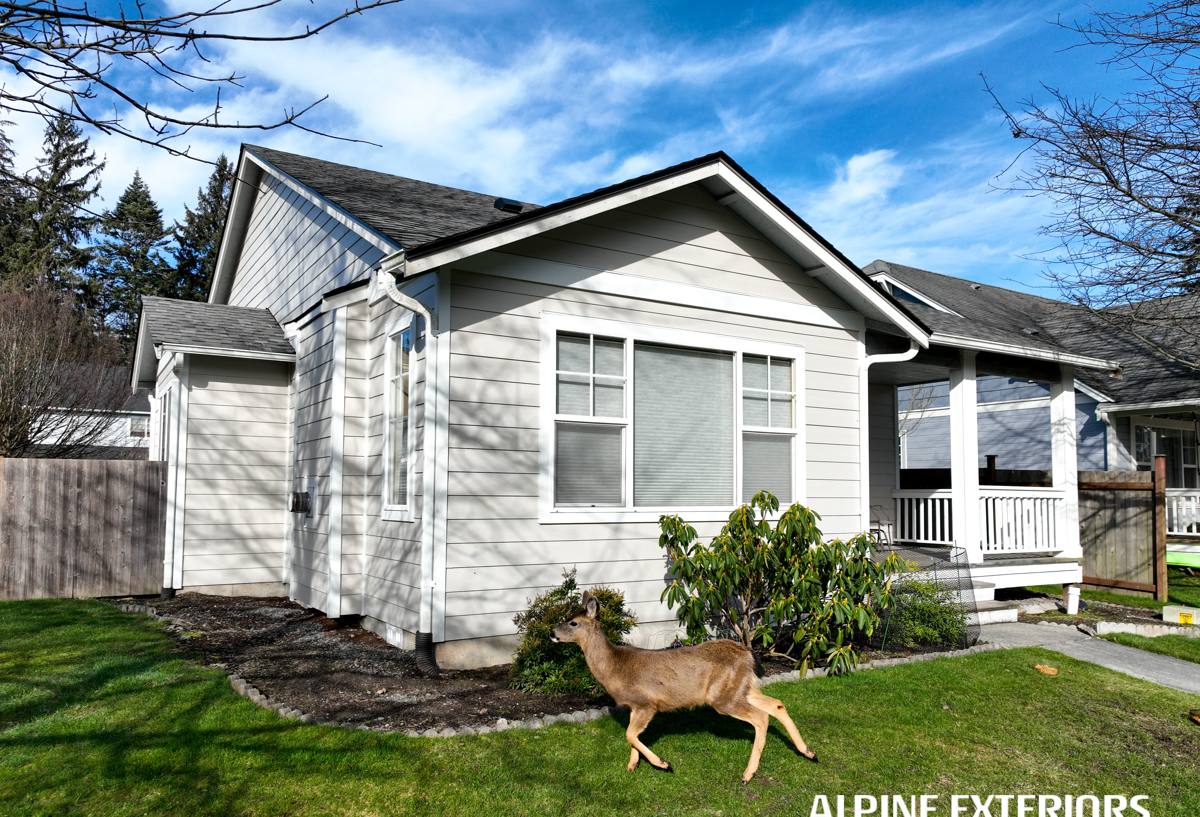
What Largo Homes Face Year-Round
Heat and UV
Florida sun is not gentle on exterior surfaces. Cheap or thin coatings chalk and fade within a few years, and any material that isn't dimensionally stable will expand and contract enough, day after day, to loosen fasteners and open seams over time.
Humidity and Moisture
Pinellas County's humidity rarely lets up, even outside the rainy season. Wood-based and wood-fiber products absorb ambient moisture, which is the root cause of most swelling, delamination, and rot complaints we see on older homes. Whatever is on the wall needs to shrug off moisture rather than soak it in.
Wind-Driven Rain
Largo's storms don't just fall — they blow sideways under eaves and into laps and seams that were never built to take on water from that angle. Correct flashing, house wrap, and lap coverage matter as much as the siding material itself.
Salt Air
Even set back from the immediate coastline, Largo gets enough salt aerosol carried inland that fasteners, trim, and finishes corrode or degrade faster than they would further inland. Material choice and installation hardware both need to account for that.
Hurricane Season
Wind-borne debris and sustained high winds during named storms put real stress on whatever is fastened to the wall. Siding that isn't rated and installed for wind resistance is one of the first things to fail and one of the first things insurance adjusters look at after a storm.
Why We Only Install James Hardie Fiber Cement
We get asked regularly why we don't offer vinyl, LP SmartSide, Cemplank, Allura, or primed wood siding alongside Hardie. The honest answer is that we made a professional call to standardize on one product system rather than install several with very different long-term performance in this specific climate.
- Vinyl can warp, fade, and crack under sustained Florida UV and heat, and it has real limits in high-wind installations without extra bracing.
- LP SmartSide and other wood-fiber composites are engineered wood products — meaning they still rely on resin-treated wood strand as their core. In consistently humid, storm-prone climates, moisture intrusion at cut edges and fastener points is the failure mode we've seen most, and repairs are often more involved than with fiber cement.
- Primed spruce and cedar require the most ongoing maintenance of any option — repainting, caulking, and edge sealing on a strict schedule — and any lapse shows up fast in this humidity.
- Cemplank and Allura are also fiber cement and share some of Hardie's core moisture resistance, but we standardized on Hardie for its ColorPlus factory finish, its Florida-specific HZ5 product engineering, and the depth of its installed base and warranty support in this region.
James Hardie fiber cement is non-combustible, dimensionally stable in heat and humidity, and its HZ5 (HardieZone 5) product line is engineered specifically for high-humidity, high-UV climates like ours. ColorPlus finishes are baked on at the factory under controlled conditions, which holds up to UV far longer than field-applied paint and carries its own dedicated finish warranty. None of that replaces correct installation — but it gives a Largo home a real head start against this climate instead of fighting it.
Comparing Siding Options for a Largo Home
| Material | Moisture Behavior | UV/Fade Resistance | Wind Performance | Typical Maintenance |
|---|---|---|---|---|
| James Hardie fiber cement | Does not absorb or swell like wood-based products | ColorPlus factory finish resists fading | Engineered HZ5 line rated for high-wind regions | Occasional wash, caulk checks |
| Vinyl | Won't rot, but can warp/deform in heat | Can fade and chalk over time | Limited without added bracing | Low, but replacement (not repair) when damaged |
| LP SmartSide / composite | Vulnerable at cut edges and fastener points | Moderate, coating-dependent | Adequate when installed to spec | Edge sealing, inspection after storms |
| Primed wood/cedar | Absorbs moisture readily; highest rot risk | Fades and weathers without upkeep | Adequate when installed to spec | Highest — repainting/caulking on a schedule |
How We Approach a Largo Project
Every home in the Seminole and Largo area gets evaluated for its specific exposure — how close it sits to open water, how much direct sun it takes through the day, what the current siding or trim is showing us about past moisture problems. That inspection drives the plan, not a standard package.
What Correct Installation Involves
- Proper house wrap and moisture barrier behind every course, not just at seams
- Correct starter strip, flashing, and clearance at grade to keep splashback and standing water away from the bottom course
- Manufacturer-specified fastener spacing and type — stainless or coated fasteners rated for coastal exposure
- Correct lap and joint treatment sized for wind-driven rain, not just standard rainfall
- Trim and corner details sealed to shed water rather than trap it
Hardie's own warranty coverage depends on installation to their specification, which is one more reason we don't cut corners on the details above — a beautiful install that fails at the flashing is still a failure.
Beyond Siding: Roofing, Windows, and Decks
Siding doesn't work in isolation. A roof that's shedding water onto a wall, windows with failed seals letting moisture behind the trim, or a deck ledger board rotting into the house structure all undermine even a correctly installed siding job. We handle roofing, windows, and decks alongside siding for Largo and Seminole homeowners specifically so these systems get evaluated together instead of one contractor fixing siding while a roofing issue keeps feeding water behind it.
Signs It's Time to Have Your Exterior Looked At
- Soft or spongy spots near the bottom of exterior walls
- Paint or finish that's chalking, peeling, or fading unevenly
- Visible gaps or cracking at seams, corners, or trim
- Water stains on interior walls near exterior corners after heavy rain
- Siding that flexes or feels hollow when pressed
- A roof nearing or past its expected service life
Why a Local Crew Matters in Largo
A crew that works this specific stretch of Pinellas County day in and day out knows which details actually matter here — where wind-driven rain tends to find weak points, how close a given block sits to brackish water exposure, and what permitting and wind-rating requirements apply locally. That local knowledge is different from a national installer working off a generic spec sheet, and it's the difference between siding that looks right on install day and siding that's still performing correctly five hurricane seasons later.
Cost Factors to Expect
Every home is different, but a few factors consistently drive the cost of a siding project in this area:
| Factor | Why It Matters |
|---|---|
| Home size and wall complexity | More corners, dormers, and trim details mean more labor and material |
| Condition of existing sheathing | Rot or moisture damage found during tear-off may need repair before new siding goes on |
| Siding profile and color | Lap width, texture, and ColorPlus color selection affect material cost |
| Trim and accessory scope | Corner boards, window trim, and fascia work add to the total project |
| Access and site conditions | Lot layout and structure height affect labor time |
We provide a specific number only after seeing the home in person — broad online estimates rarely hold up once someone gets a close look at the actual condition of the walls.
If you're in Largo or anywhere around Seminole and want a straight answer about the condition of your siding, roof, windows, or deck, we're glad to take a look. Fill out the form below for a free, no-pressure estimate — no obligation, just an honest read on where your home stands.