 Seminole Siding
 Siding on a Barrier Island: A Different Set of Rules
Redington Beach sits on a narrow strip of land between the Gulf of Mexico and the Intracoastal Waterway, which puts every home here closer to salt water than almost anywhere else in Pinellas County. That proximity changes what a house needs from its exterior. Wind-driven rain finds gaps that would never be tested on an inland home. Salt-laden air settles on siding, trim, and fasteners year-round, not just during storms. And the sun here is relentless — full, reflected Gulf exposure that breaks down paint film and lesser siding materials faster than the same product would fail twenty miles inland.
We work throughout Seminole and the surrounding beach communities, and Redington Beach is one of the areas where the difference between a siding job done right and one done to minimum code becomes obvious within a few years, not a few decades. That's the standard we build to.
What the Climate Actually Does to a House Here
Salt Air and Corrosion
Airborne salt is corrosive to metal fasteners, flashing, and trim long before it visibly damages siding itself. A siding system that isn't detailed with corrosion-resistant fasteners and properly lapped flashing will show rust streaking and loosening joints well ahead of schedule on a barrier island lot.
Wind-Driven Rain
Rain in a coastal thunderstorm or tropical system doesn't fall straight down — it drives sideways into wall assemblies. Siding that isn't installed with correct overlaps, proper flashing at penetrations, and a sound water-resistive barrier behind it will let moisture behind the cladding, where it causes rot and mold long before anyone sees a stain on the outside.
UV Exposure
Reflected sun off open Gulf water adds to already intense Florida UV. Paint films chalk, fade, and crack faster here than on a shaded inland lot, and materials that rely on field-applied paint need repainting on a shorter cycle than manufacturers' generic estimates assume.
Wind Load
Pinellas County building code accounts for high wind speeds this close to open water, and siding attachment, fastening schedules, and product wind ratings all matter more here than they would on a home set back from the coast.
Full Exterior Services for Redington Beach Homes
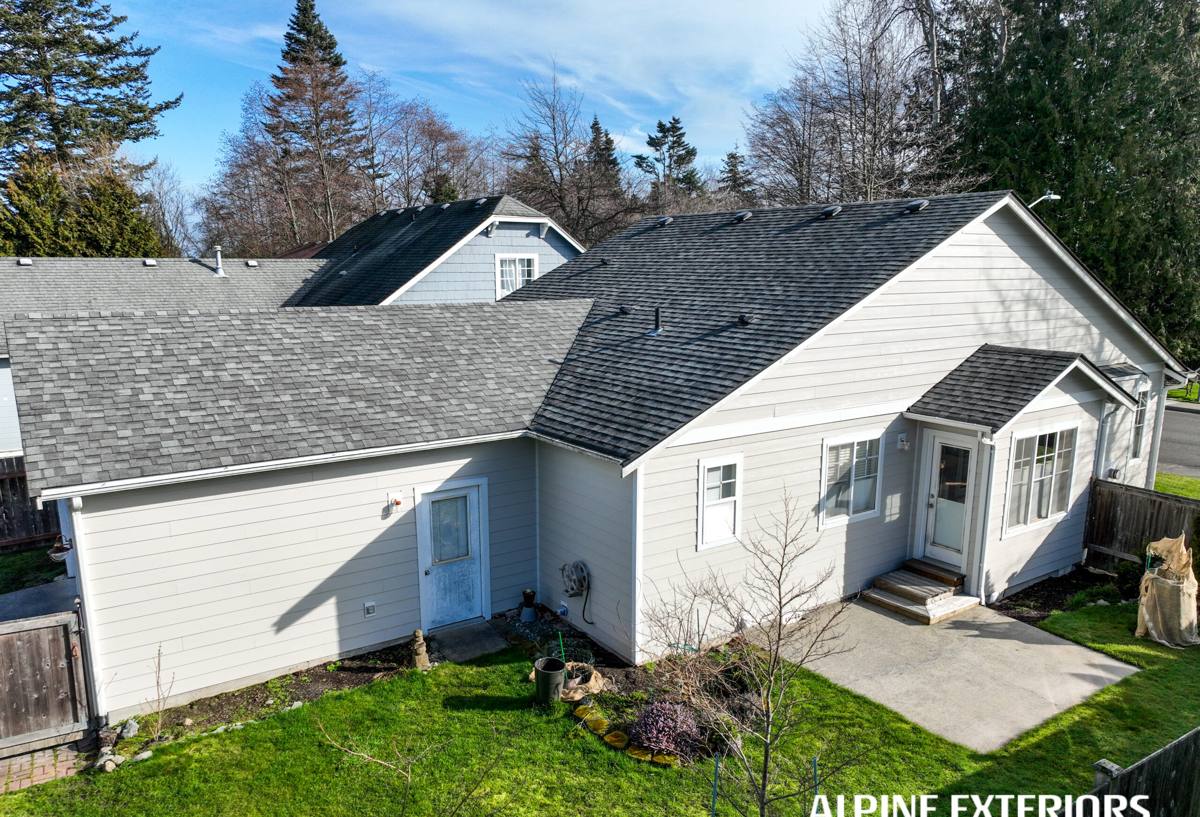
We handle siding, roofing, windows, and decks — the systems that work together to keep water out of a coastal home. Treating these as separate, disconnected projects is how leaks happen: siding installed without coordinating flashing at the roofline, or new windows set without properly integrating the surrounding siding's water管理. We look at the whole exterior envelope, not just one component in isolation.
- Siding: James Hardie fiber cement only — see below for why.
- Roofing: Systems selected and installed to match Pinellas County's wind and moisture demands, with attention to how the roofline meets the siding and trim.
- Windows: Impact-rated options and correct flashing integration so new windows don't become the next leak point.
- Decks: Built and finished with materials suited to salt air and sun exposure, not just standard lumber specs.
Why We Only Install James Hardie Fiber Cement Siding
We made a decision to standardize on James Hardie fiber cement siding and not install vinyl, LP SmartSide, Cemplank, Allura, or wood products like primed spruce or cedar. This isn't a marketing position — it's a practical one, built around what actually holds up in this climate.
What We're Turning Down, and Why
Vinyl siding is affordable and easy to install, but it's a thin plastic product that can warp or distort under direct, sustained sun exposure and doesn't offer meaningful wind resistance at its seams compared to fiber cement. LP SmartSide and similar engineered wood products perform reasonably in drier climates, but wood-based cores are inherently more vulnerable to moisture intrusion — and moisture intrusion is exactly the failure mode a barrier island home is most exposed to. Cedar and primed spruce require an ongoing paint and maintenance cycle that gets expensive fast under intense coastal UV, and any gap in that maintenance invites rot. Other fiber cement brands like Cemplank and Allura are legitimate products, but we've standardized on one manufacturer so we can guarantee installation consistency, warranty coverage, and color-match availability across every job we do.
What James Hardie Gets Right
James Hardie fiber cement is non-combustible, dimensionally stable in heat and humidity, and resistant to moisture damage in a way that wood-based and vinyl products simply aren't. It holds paint — or more accurately, its factory-applied ColorPlus finish — far longer than field-painted materials exposed to this level of UV. And Hardie backs the product with a real, transferable warranty, which matters on a coastal property where buyers and insurers alike scrutinize exterior condition closely.
James Hardie for a Gulf-Front Climate
James Hardie engineers its siding for different climate zones, and homes in Redington Beach fall into the manufacturer's most demanding coastal exposure category, which accounts for higher humidity, salt exposure, and moisture cycling than the standard zone used across most of the country. That distinction matters — it affects the formulation and moisture performance of the product installed on your home, and it's one more reason product selection isn't a place to cut corners on a barrier island lot.
ColorPlus Factory Finish
Rather than painting siding on-site, Hardie's ColorPlus products are finished at the factory with a baked-on finish designed to resist fading and chipping. In a location where field-applied paint takes a beating from reflected sun, that factory finish is a real durability advantage, not just a convenience.
Product Lines
Hardie offers several siding profiles — lap siding, shingle-style panels, and vertical board-and-batten among them — so the look of a home can be matched to its architecture without giving up the underlying material performance.
Cost Factors to Understand
Every home is different, and we won't quote a number without seeing the property, but these are the factors that most affect what a siding project costs in this area.
| Factor | Why It Matters Here |
|---|---|
| Home size and wall complexity | More corners, dormers, and trim detail mean more labor and cut waste |
| Existing substrate condition | Coastal moisture exposure sometimes means sheathing repair is needed before new siding goes on |
| Siding profile chosen | Lap, shingle, and board-and-batten styles have different material and labor costs |
| Trim and accessory scope | Fascia, soffit, and window trim replacement adds to the project but improves long-term water management |
| Access and site conditions | Tight lots common on the barrier island can affect staging and labor time |
What a Proper Installation Involves
Siding performance depends as much on installation as on the product itself. A poorly installed premium product will fail before a correctly installed standard one. Here's what we hold every job to:
- Full inspection and repair of sheathing before new siding goes on — never installing over hidden rot or damage
- Correct water-resistive barrier installation behind the siding, not just wrapped and stapled quickly
- Proper flashing at every window, door, and roofline intersection
- Fastening schedules that meet Pinellas County wind requirements, not just manufacturer minimums
- Corrosion-resistant fasteners appropriate for a salt-air environment
- Correct siding-to-trim clearances so water sheds away from the wall assembly instead of wicking into it
Roofing, Windows, and Decks: Where Siding Connects
A siding replacement is a natural point to address the rest of the exterior envelope, because the same conditions that wear out siding on a Redington Beach home — salt air, UV, wind-driven rain — wear out roofing, window seals, and deck materials on the same timeline. When we're already opening up trim and flashing details for a siding project, it's often the most cost-effective time to also address an aging roof, replace windows that are no longer sealing properly, or rebuild a deck that's taken sun and salt damage. We'll flag what we see and let you decide what to prioritize — there's no pressure to bundle work you don't need done now.
Why a Local Crew Matters
A contractor working across all of Pinellas County's beach communities sees the same failure patterns repeatedly — where wind-driven rain gets in, which details fail first under salt exposure, how sun angle off the Gulf affects a south- or west-facing wall differently than an inland home. That pattern recognition is hard to get from a crew that mostly works inland and treats a coastal job like any other. It also means we understand the practical realities of working on Redington Beach's tighter lots and barrier-island access, and we're not learning those lessons on your project.
Get a Free, No-Pressure Estimate
If your Redington Beach home's siding is showing its age — chalking paint, soft spots, warping, or visible gaps at trim — or you're planning ahead for a full exterior refresh, we're happy to take a look and walk you through what we see and what it would take to fix it right. There's no obligation and no pressure. Use the form below to request a free estimate.