 Seminole Siding
 Siding on a Barrier Island: What Redington Shores Homes Are Up Against
Redington Shores sits on a narrow strip of land between the Gulf of Mexico and the Intracoastal Waterway, just west of Seminole in Pinellas County. That location is part of why people live there, and it's also why the exterior of a house here ages differently than a house even a few miles inland. Salt-laden air moves across the entire width of the island on every onshore breeze, there's no tree canopy or windbreak to speak of on most lots, and storms coming off the Gulf hit these homes first, before they hit anything else in the county.
We work throughout Seminole and the surrounding Pinellas County beach communities, and Redington Shores is one of the areas where the difference between a properly chosen, properly installed siding system and a mediocre one shows up fastest. Homes here don't get a slow, gentle decline — they get a fast one if the wrong materials or a rushed installation are involved.
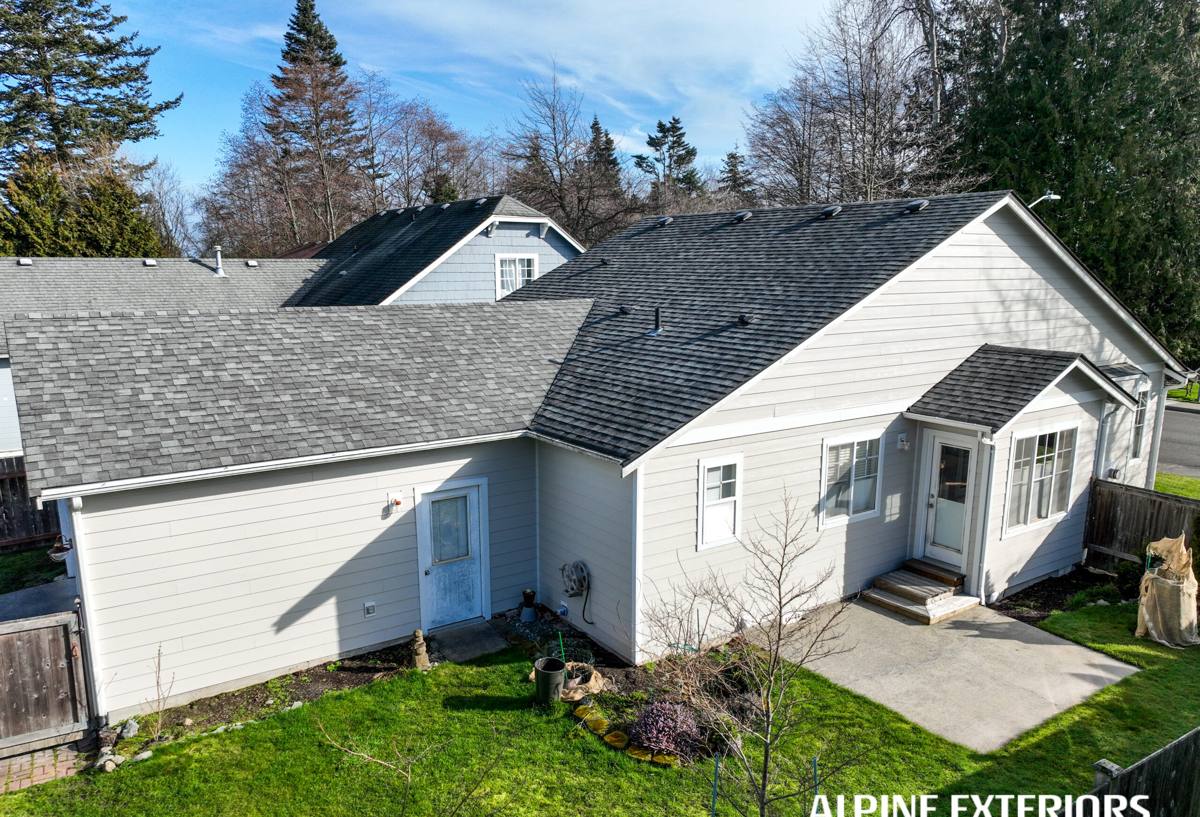
The Four Things That Wear Out Siding Here
Salt Air, Constantly
On a barrier island, salt isn't an occasional coastal accent — it's in the air every single day, settling on siding, trim, fasteners, and hardware. Airborne salt accelerates corrosion of metal components and works into any seams, gaps, or unsealed joints in a wall assembly. Materials and fastener systems that aren't rated for this kind of exposure tend to show it within a few years, not a few decades.
Intense, Nearly Constant UV
Florida sun is strong everywhere, but a Gulf-front or near-Gulf property gets extra exposure from sunlight reflecting off water and open sky with nothing to block it. UV breaks down pigments and surface coatings over time. Paint fades and chalks; factory finishes that are engineered for UV resistance hold their color far longer than field-applied paint on lesser materials.
Wind-Driven Rain
It isn't just how much rain falls in Pinellas County — it's how it arrives. Wind-driven rain gets forced sideways and upward into laps, seams, and any gap around windows, doors, and trim. A siding system that isn't dimensionally stable, or that isn't installed with the right flashing and gapping details, lets that water find a way behind the cladding, where it causes rot and hidden damage long before anything looks wrong from the street.
Hurricane-Force Wind Loads
Redington Shores is directly exposed to tropical systems moving in off the Gulf, with no inland buffer. Siding here needs to hold up under sustained high wind and wind-borne debris impact, and it needs fastening and installation details that meet that real wind exposure — not just the minimum for a typical inland lot.
Why We Install Only James Hardie Fiber Cement
We standardized on James Hardie fiber cement siding for every home we side, and a barrier island environment like Redington Shores is exactly the kind of exposure that decision is built around. Fiber cement is a non-combustible, cement-based material that doesn't share the moisture-absorption and expansion behavior of wood-based products, and it isn't prone to the softening, warping, or fading issues that show up on lower-cost claddings under sustained coastal exposure.
Specific to this area:
- ColorPlus Technology factory-baked finish resists UV fading far better than field-applied paint, which matters on a lot with full sun exposure and reflected glare off the water.
- HZ5 and HZ10 engineered product lines are formulated for high-humidity, high-moisture climates like coastal Florida, which is different from a product designed for a dry or cold-climate market.
- Non-combustible core that doesn't provide fuel in a fire and doesn't degrade the way some alternative claddings do under long-term heat and UV load.
- Rigid, stable panels that hold fastener lines and seams tightly, which is what actually keeps wind-driven rain out over the long run.
We don't install vinyl siding, LP SmartSide, Cemplank, Allura, or primed wood products like spruce or cedar. Each of those has a place in the market and each has real strengths, but every one of them comes with a trade-off — moisture sensitivity, maintenance burden, coating limitations, or warranty structure — that we consider a bad match for direct Gulf-adjacent exposure. On a barrier island, we'd rather turn down work than install something we don't believe will hold up here for the long haul. James Hardie is what we stand behind.
What Correct Installation Looks Like on This Kind of Lot
Fiber cement is only as good as the installation behind it, and coastal homes raise the bar on every detail. On a Redington Shores project, our crew pays particular attention to:
Water Management Behind the Cladding
A drainable house wrap or rainscreen approach, correctly lapped and sealed, so that any moisture that does get past the siding has somewhere to go instead of sitting against the sheathing.
Flashing at Every Penetration
Windows, doors, hose bibs, vents, and any other wall penetration get proper flashing details — this is where wind-driven rain intrusion actually happens on most homes, coastal or not, and it's where corners get cut on rushed jobs.
Fastener Selection and Placement
Corrosion-resistant fasteners, installed to Hardie's published fastening schedule for the local wind exposure category, not a generic pattern pulled from an inland spec sheet.
Manufacturer-Spec Gapping and Clearances
Proper clearance from grade, roof lines, and decks; correct joint gapping and caulking per Hardie's installation instructions. These details are exactly what James Hardie's warranty requires — and exactly what an unlicensed or inexperienced crew tends to skip.
It's Not Just Siding: The Whole Exterior Envelope
Siding doesn't work in isolation — it's one piece of a home's exterior envelope, alongside the roof, windows, and any exterior structures like decks. We handle all four because they interact directly on a coastal property:
- Roofing that isn't properly maintained or is past its service life will feed water into wall assemblies from above, undermining even well-installed siding.
- Windows are one of the most common leak points on any home; correct flashing integration between window and siding is where a lot of coastal water intrusion actually starts.
- Decks exposed to the same salt air and UV need materials and fasteners suited to that exposure, and their ledger/flashing connection to the house is another spot where water problems begin.
Because we work across all four trades, we can look at a Redington Shores home as one system rather than four separate projects, and flag issues in one area that would otherwise undercut work done in another.
What Drives the Cost of a Siding Project Here
Every home is different, but a few factors consistently move the price on barrier island properties. This isn't a quote — it's a guide to what a homeowner should expect to discuss with any contractor bidding the job.
| Factor | Why It Matters in Redington Shores |
|---|---|
| Existing wall condition | Homes with prior water intrusion often need sheathing repair before new siding goes on — common on older beach houses |
| Home elevation and access | Many properties here are on pilings or elevated slabs for flood compliance, which affects staging and lift/ladder access |
| Wind zone fastening requirements | Higher wind exposure areas require tighter fastener spacing and specific installation details, which affects labor time |
| Trim and detail complexity | Coastal architectural styles often include more corners, dormers, and trim work than a simple rectangular footprint |
| Full envelope scope | Bundling siding with roofing, window, or deck work in one project can reduce redundant setup and access costs |
Why a Local Crew Matters Here
A contractor who mainly works inland jobs may not think in terms of barrier island wind exposure, salt corrosion, or elevated-home access — because it doesn't come up often in their normal work. A crew that regularly works Seminole, Redington Shores, and the surrounding Pinellas County beach communities already knows what this exposure does to a house, and builds that knowledge into the installation instead of treating it as an afterthought.
Local presence also matters for something simpler: being reachable. If a question comes up mid-project, or an issue shows up after a storm, a contractor based in the area can get back out to the property without it becoming a multi-week wait.
What to Ask Any Contractor Before You Hire Them
Whether you call us or someone else, these are worth asking before signing anything for exterior work on a coastal property:
- Are you a licensed and insured Florida contractor, and can you provide proof?
- Do you install to the manufacturer's published fastening and flashing specifications, and will that be in writing?
- Who handles the actual installation — your own crew, or subcontractors you don't directly manage?
- What does the manufacturer's warranty require in order to stay valid, and do you meet those requirements as a matter of course?
- Can you explain, in plain terms, how your approach accounts for wind-driven rain and salt exposure specific to this location?
- What's your plan for water management behind the siding — not just the finish material, but what's underneath it?
A contractor who can answer these clearly and specifically, without vague reassurance, is worth taking seriously. One who brushes past them is worth a second opinion.
Get a Straight Answer About Your Home
Every property on the island carries its own history of sun, salt, and storms, and the right approach depends on what's actually happening on your walls — not a generic recommendation. If you're in Redington Shores or nearby and want an honest look at your siding, roof, windows, or deck, we're happy to walk the property with you and lay out what we see, with no pressure to move forward. Reach out using the form below for a free estimate.