 Seminole Siding
 Indian Rocks Beach Is a Different Kind of Exterior Challenge
Indian Rocks Beach sits on a narrow barrier island in Pinellas County, with the Gulf of Mexico on one side and the Intracoastal Waterway on the other. That location is what makes the community beautiful, and it's also exactly why homes here take a beating that inland Florida properties simply don't face. Salt-laden air moves through the neighborhood constantly, hurricane-force wind events are a real possibility every storm season, UV exposure runs at some of the highest levels in the continental United States nearly year-round, and wind-driven rain finds its way into gaps and seams that would never be tested on a house twenty miles inland.
We work throughout Seminole and the surrounding Pinellas County coastal communities, and Indian Rocks Beach is one of the areas where we see the clearest evidence of what happens when exteriors are built or repaired without accounting for this environment. Siding that bubbles and delaminates, fasteners that corrode faster than they should, roofing that fails at the edges first — these aren't random failures. They're predictable outcomes of using the wrong materials or the wrong installation approach in a barrier-island climate.
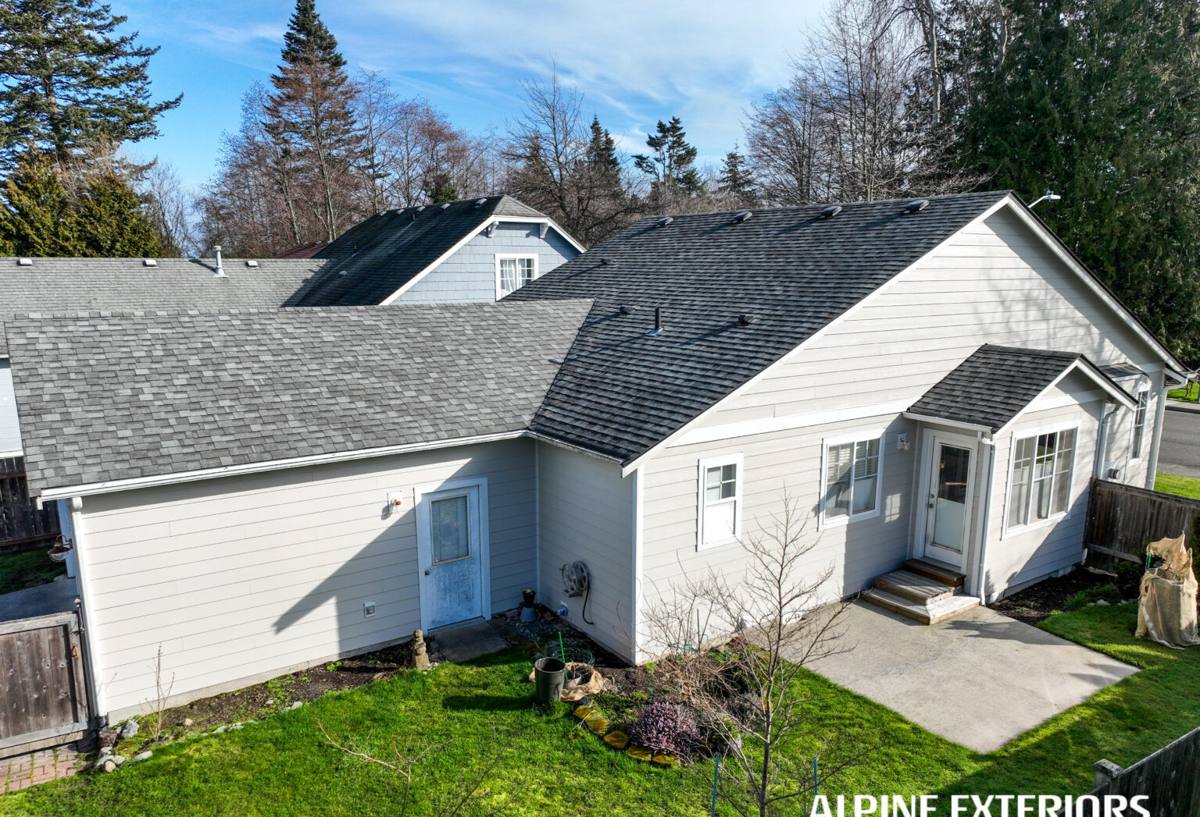
What Salt Air, Sun, and Wind Actually Do to a Home
It helps to understand the mechanics behind the wear, because it explains why we make the material and installation choices we do.
Salt Air
Airborne salt is corrosive and hygroscopic — it pulls moisture out of the air and holds it against building surfaces. On a barrier island like Indian Rocks Beach, that salt exposure is constant, not occasional. Metal fasteners, flashing, and hardware need to be rated for it, and any siding material that's sensitive to sustained moisture contact is going to show problems years before it would on a house further from the water.
UV Exposure
Florida's sun degrades paint finishes, breaks down caulks and sealants, and dries out organic building materials over time. A finish that isn't factory-baked to hold color and integrity under that kind of exposure will chalk, fade, or crack well ahead of schedule — and once a finish fails, whatever is underneath it is exposed to everything else on this list.
Wind and Wind-Driven Rain
Pinellas County sits squarely in a hurricane-prone region, and Indian Rocks Beach's exposed coastal position means wind loads and wind-driven rain are a real design consideration, not a hypothetical. Wind doesn't just threaten to pull siding, roofing, or window assemblies off a house directly — it drives rain sideways and upward under laps, trim, and flashing that would stay dry in a normal rain event. Installation detail — how laps, seams, and penetrations are handled — matters as much as the material itself.
Siding for Indian Rocks Beach Homes
We install James Hardie fiber cement siding exclusively. That's a deliberate standard, not a limitation of what we're capable of installing, and on a barrier island it's the choice that makes the most practical sense. Fiber cement is non-combustible, doesn't absorb and swell with moisture the way wood-based products can, and holds its shape and fastening in coastal humidity and salt exposure far better than materials that were never engineered with that environment in mind.
James Hardie also builds specific product lines engineered for humid, coastal, high-UV climates — commonly referred to as HZ5 formulations in this region — which affects how the board is manufactured to resist moisture-related expansion and contraction. On top of that, Hardie's ColorPlus factory finish is baked on under controlled conditions rather than field-painted, which gives it a level of UV and fade resistance that's difficult to match with a job-site paint job, and it comes with its own finish warranty separate from the product warranty on the board itself.
We don't install vinyl, LP SmartSide, Cemplank, Allura, or primed wood siding, and we're upfront about why: those products each carry trade-offs — moisture sensitivity, finish maintenance, impact durability, or warranty structure — that we don't think hold up well under sustained barrier-island conditions. Fiber cement isn't the cheapest option on the market, but it's the one we're willing to put our name behind for a house that's going to face what an Indian Rocks Beach house faces every year.
Roofing for a Coastal Wind Environment
Roofing on the barrier island has to account for uplift at edges and corners, fastener corrosion resistance, and underlayment that can handle wind-driven rain intrusion at valleys, penetrations, and transitions. We evaluate roofs here with those specific failure points in mind rather than treating every roof the same regardless of where it sits. Whether the job is a full replacement or repair work after storm damage, the details at the edges — drip edge, flashing, ventilation — usually matter more to long-term performance than the field of the roof itself.
Windows: Wind, Water, and Efficiency
Window performance on Indian Rocks Beach comes down to two things: how well the unit and its installation resist wind and wind-driven water intrusion, and how well it holds up to daily UV and salt exposure without degrading its seals and frames. We look at glazing options, frame materials, and — critically — flashing and sealant detail around the rough opening, since a well-rated window installed with poor flashing will still leak. For homeowners weighing energy costs, better-performing windows also cut down on the strain of running air conditioning through a Florida summer.
Decks in a Salt-Air, Sun-Heavy Environment
Outdoor living space is a big part of why people choose to live near the Gulf, but decks take some of the harshest exposure on the whole property — direct sun, standing salt humidity, and repeated wet-dry cycling. Fastener corrosion, board cupping, and finish breakdown show up faster on a barrier-island deck than almost anywhere else. We factor material choice, fastener grade, and drainage detail into deck work here specifically because of that exposure, rather than using a generic inland approach.
Why a Local Crew Matters Here
A contractor who mostly works inland can still do competent work, but they're less likely to instinctively account for salt corrosion on fasteners, the specific wind-uplift behavior at a barrier-island roofline, or how quickly a UV-exposed finish will show wear this close to the Gulf. We work throughout Seminole and the neighboring Pinellas County coastal communities regularly, which means the crew showing up at an Indian Rocks Beach home has already seen how these specific conditions play out on real houses nearby — not just in a manufacturer's spec sheet.
What Affects Cost on a Barrier-Island Project
Every home and project scope is different, so we don't publish blanket pricing, but these are the factors that typically move the number most:
| Factor | Why It Matters |
|---|---|
| Home size and wall/roof complexity | More material, more cuts, more labor hours |
| Existing substrate condition | Rot, corrosion, or moisture damage found once old material comes off |
| Material selection | Fiber cement lines, colors, and profiles vary in price |
| Wind/flashing detail required | Coastal exposure often calls for more thorough flashing and sealing work |
| Access and site conditions | Narrow lots and elevated coastal homes can affect staging and labor time |
What to Expect From Our Process
We start with an on-site inspection so we're speaking to the actual condition of the home, not a general assumption. From there we walk through material options, explain what we'd recommend and why, and put together a clear scope before any work begins. During installation, we pay particular attention to the details that matter most on a barrier-island property — fastener spacing and corrosion resistance, flashing at penetrations and transitions, and correct clearances so siding and trim aren't sitting in standing moisture.
A short checklist we walk through on every coastal exterior project:
- Inspect existing substrate and framing for moisture or corrosion damage before covering it up
- Confirm fastener and hardware ratings are appropriate for salt-air exposure
- Verify flashing and sealant detail at all windows, doors, and roof penetrations
- Maintain manufacturer-specified clearances between siding and grade, decks, or roofing
- Confirm ventilation is adequate to manage humidity behind the exterior cladding
- Review color and finish warranty terms with the homeowner before installation
Maintaining Your Exterior After Installation
Even well-installed, well-suited materials benefit from some routine attention in this environment. Rinsing salt residue off siding periodically, keeping gutters and drainage clear so water isn't sitting against the home, and having roofing and flashing checked after major storm events all go a long way toward getting the full service life out of an exterior investment on Indian Rocks Beach.
If you're weighing a siding, roofing, window, or deck project for a home on Indian Rocks Beach, we're happy to take a look and walk you through what we're seeing and what we'd recommend — no pressure, no obligation. Use the form below to request a free estimate.