 Seminole Siding
 A Straightforward Question We Get Often
Homeowners in Seminole and around Pinellas County sometimes ask us to quote primed wood siding — usually because they had it on a previous home, they like the look of real wood grain, or a builder spec called for it. We don't install it, and we think you deserve a clear, honest explanation of why, not a sales pitch dressed up as one. Primed wood siding is a legitimate building product with a long history. It is also a product whose weaknesses line up almost perfectly with the conditions we live in on the Gulf Coast, and that combination is why we stopped offering it.
This page walks through what primed wood siding actually is, what it does well, where it struggles in our specific climate, and why we standardized on James Hardie fiber cement instead. Our goal isn't to talk you out of anything — it's to make sure that if you're comparing options, you're comparing them with full information.
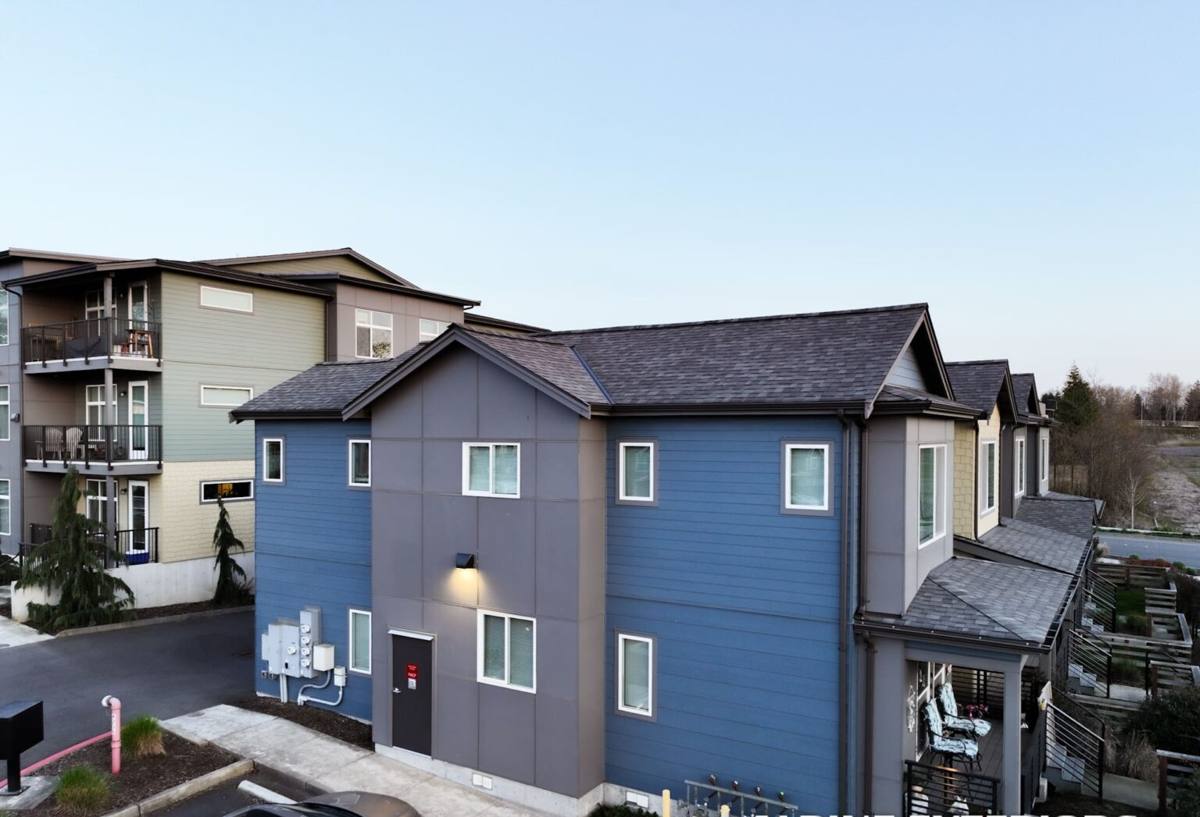
What Primed Wood Siding Is
Primed wood siding is typically cedar, spruce, pine, or fir milled into lap boards, shingles, or panels, then coated at the factory or job site with a primer coat meant to seal the wood before the finish paint goes on. The primer is not a finish coat — it's a base layer designed to help paint adhere and to slow (not stop) moisture absorption into the wood fibers underneath.
Wood siding has real appeal. The grain pattern, the way it takes stain or paint, the way it ages when maintained well — there's a reason it's been used on homes for centuries. It's also a renewable material, and when properly maintained, it can look excellent for a long time. We're not disputing any of that.
Where It's Still a Reasonable Choice
In dry, moderate climates with low humidity, limited direct storm exposure, and an owner committed to a real maintenance schedule, primed wood siding can perform acceptably for years. That's just not the environment most homes in Seminole sit in.
The Climate Problem: Why Wood Struggles Here
Seminole sits on a peninsula between Boca Ciega Bay and the Gulf, which means every home here deals with a combination of stressors that wood siding was never really engineered to shrug off.
Humidity and Wind-Driven Rain
Wood is hygroscopic — it absorbs and releases moisture with the air around it, expanding and contracting as it does. Pinellas County's humidity rarely lets up, and our storm season brings rain that comes in sideways under eaves and around trim, not straight down where an overhang can shed it. Primer slows water absorption at the surface, but it doesn't stop moisture from working into end grain, fastener holes, and seams — the exact places wood siding fails first.
UV Exposure
Central Florida gets some of the most intense year-round UV exposure in the continental U.S. UV breaks down paint film and primer coatings faster here than in most of the country, which means the protective layer over the wood degrades on a shorter clock than the manufacturer's paint warranty was probably written around.
Salt Air
Being close to the Gulf and the Intracoastal means airborne salt settles on every exterior surface, including siding. Salt is hygroscopic itself — it pulls moisture out of the air and holds it against whatever surface it's on. On primed wood, that means the wood underneath the paint film is sitting in a slightly damper micro-environment more of the time, which accelerates the wood's natural tendency to swell, check, and eventually rot at vulnerable points.
Hurricane-Force Wind
Wood lap siding depends on tight, consistent fastening and sound wood fiber to hold up under wind-driven debris and pressure cycling during tropical storms and hurricanes. Once wood has softened from years of moisture cycling, its fastener-holding strength drops, which is a real concern in a county that plans for direct storm impact most seasons.
What Actually Goes Wrong, and When
None of this happens overnight. Primed wood siding failures follow a fairly predictable timeline in our climate, and it's worth understanding because it explains why the maintenance burden is the core issue, not a scare tactic.
- Paint film starts chalking and thinning under UV exposure, typically faster on south- and west-facing walls
- Hairline cracks open at butt joints and board ends where end-grain is most exposed
- Moisture works into those cracks and fastener holes during wind-driven rain events
- Wood swells, the paint film loses adhesion at the edges of the damp area, and peeling begins
- Repeated wet-dry cycling softens the wood fiber, especially near the bottom courses closest to grade and splashback
- Localized rot sets in at the weakest points — usually corners, butt joints, and anywhere caulking has failed
The fix at each stage is more paint, more caulk, and eventually board replacement — which is manageable, but it's an ongoing commitment, not a one-time job.
The Maintenance Commitment, Honestly Stated
This is the heart of why we don't offer primed wood siding: it is a product that requires an active, recurring maintenance relationship from the homeowner to perform well here, and we'd rather be upfront about that than sell a product and let a client discover the maintenance schedule the hard way.
| Task | Typical Interval Here | Why It's Needed in Our Climate |
|---|---|---|
| Full repaint | 3-5 years | UV breaks down paint film faster than milder climates |
| Caulk inspection and touch-up | Annually | Seams open from wood movement and heat cycling |
| Spot priming exposed wood | As needed, often 1-2 times a year | Prevents bare wood from absorbing wind-driven rain |
| Board/section replacement | Ongoing over the life of the siding | Rot at joints and low courses is a matter of when, not if |
| Post-storm inspection | After every named storm | Wind-driven debris and rain intrusion checks |
Add that up over 15-20 years and primed wood siding often costs as much or more in labor and materials as a one-time investment in a lower-maintenance system — it's just spread out and easy to underestimate up front.
Installation Sensitivity
Primed wood siding is also less forgiving to install correctly than a lot of homeowners realize. Every cut end needs to be field-primed before installation, not just the factory face — skip that step and you've created a moisture entry point on day one. Fastener placement, flashing details around windows and doors, and clearance from grade all matter more with wood because the material itself has less tolerance for standing moisture than fiber cement does. We've found that even careful, well-intentioned installation still leaves wood siding fighting an uphill battle against our humidity and salt air, which is a big part of why we stopped offering it rather than trying to install around its limitations.
What We Install Instead: James Hardie Fiber Cement
We install James Hardie fiber cement siding exclusively, and it's a direct response to everything above. Fiber cement is engineered from cement, sand, and cellulose fibers — it doesn't have wood's end-grain moisture pathways, it doesn't swell and contract the way wood does, and it's non-combustible.
Climate-Engineered for the Gulf Coast
Hardie's HZ10 product line is specifically formulated for hot, humid climates like ours, addressing moisture and humidity resistance in a way that generic wood siding simply isn't designed around.
Factory Finish, Not Field Paint
ColorPlus technology bakes the finish onto the board at the factory under controlled conditions, rather than relying on a primer coat and field-applied paint that has to cure properly on-site and hold up against Florida sun from day one. That factory finish is backed by its own warranty against fading and peeling, separate from the substrate warranty.
Built for Wind and Storm Exposure
Fiber cement holds fasteners well and is rated to withstand high-wind conditions when installed to Hardie's specifications, which matters directly for a county that sits in an active hurricane corridor.
A Warranty Structure That Reflects Confidence
James Hardie backs its siding with a strong transferable limited warranty — the kind of long-term backing that reflects a product built to hold up with far less intervention from the homeowner than primed wood requires.
Comparing the Two Honestly
| Factor | Primed Wood Siding | James Hardie Fiber Cement |
|---|---|---|
| Moisture behavior | Absorbs and swells at cut ends, joints, fastener holes | Resists moisture absorption; engineered for humid climates |
| UV/finish durability | Field paint fades and chalks faster under intense sun | Factory-baked ColorPlus finish with its own warranty |
| Maintenance | Repaint every 3-5 years, ongoing caulk and spot repair | Periodic cleaning and inspection; no repainting cycle |
| Fire resistance | Combustible | Non-combustible |
| Wind/storm performance | Weakens as wood fiber softens over time | Rated for high-wind installation when installed to spec |
| Warranty | Varies by paint/primer manufacturer, not the siding itself | Strong transferable limited warranty from James Hardie |
What This Means If You're Planning a Project
If you're re-siding a home in Seminole, Largo, or anywhere else in Pinellas County, the question isn't just "what does this look like on day one" — it's "what does this look like in year eight, after a few tropical storms and a lot of Gulf sun, if I'm not the type to repaint on schedule." That's the lens we use, and it's why we made the call to standardize on one product system rather than offering everything and letting price alone drive the decision. We'd rather install one thing well and stand behind it than install six things and hope the maintenance keeps up.
If you'd like to talk through your specific home, your current siding condition, or how James Hardie would look and perform on your house, we're happy to walk the exterior with you and put together a free, no-pressure estimate — no obligation, just a straight answer based on what we see.