 Seminole Siding
 Why Board & Batten Keeps Showing Up on Seminole Homes
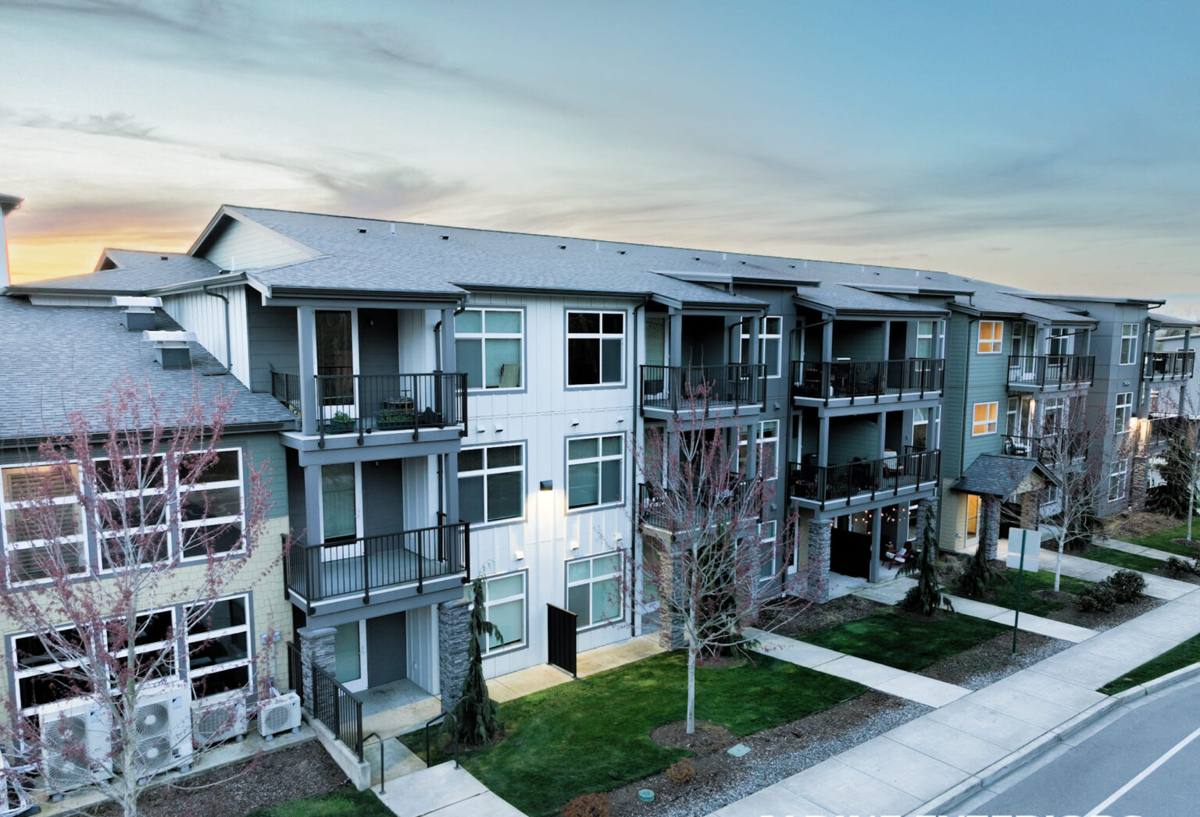
Board and batten has been a fixture of Florida coastal architecture for decades — vertical panels with raised battens covering the seams, often mixed with lap siding as an accent on gables, dormers, or a full front elevation. It reads clean, it photographs well, and it fits the coastal and craftsman styles common around Pinellas County. But the look is the easy part. What actually determines whether board and batten holds up on a home near the Gulf is the material underneath it and how precisely it goes up.
We get calls regularly from homeowners who saw board and batten on a house in Seminole or over in St. Petersburg and want the same thing. Almost none of them ask what it's made of. That's the question that matters most.
The Material Question Nobody Asks First
Board and batten can be built out of several different materials, and the differences aren't cosmetic:
- Vinyl board and batten panels — lightweight, affordable, but they expand and contract with heat and can visibly warp or bow in direct west/south Florida sun over time.
- Primed wood (spruce/pine) board and batten — the traditional look, but raw wood battens and boards absorb wind-driven rain at every seam and need repainting on a short cycle in our humidity.
- Engineered wood composite — better than raw wood on paint-hold, but the core material is still wood-based and depends entirely on the factory sealing and field caulking staying intact at every cut edge.
- Fiber cement (James Hardie) — cement, sand, and cellulose fiber, non-combustible, dimensionally stable, and engineered specifically for high-humidity, high-UV climates.
We install only the last one. Not because the others are junk, but because board and batten has more seams, more cut edges, and more exposed fastener points per square foot than lap siding — and every one of those is a place where the wrong material starts a slow failure. On a house exposed to salt air and wind-driven rain, that adds up fast.
How James Hardie Builds Board & Batten
Two Ways to Get the Look
Hardie offers board and batten in two system approaches, and the right one depends on the home:
- Vertical Panel + Batten (HardiePanel + battens) — full fiber cement panels installed vertically with separate batten strips fastened over the seams. This is the traditional built-up look and gives the most design flexibility for spacing and reveal.
- Reveal Panel System — factory-engineered panels with a fixed, consistent reveal gap between panels, no separate battens required. Cleaner modern look, fewer field-cut seams.
Both are fiber cement through and through — not a vinyl or composite product dressed up to look like Hardie. That matters because the performance claims (fire resistance, moisture stability, pest resistance) only apply to the actual material, not the profile.
HZ5 vs. HZ10: Why the Climate Rating Matters Here
James Hardie engineers its products in different formulations for different climate zones, sold as "HZ" (HardieZone) products. Pinellas County sits solidly in the zone Hardie engineers for high humidity, heavy rain, and higher pest pressure. Using the correct HZ formulation — not a generic version meant for drier, colder climates — is part of what makes the product perform as advertised over 30+ years near the coast.
ColorPlus Finish: The Part Most Homeowners Underrate
Board and batten has a lot of exposed vertical surface and a lot of seams, which means a lot of paint film to maintain if the siding is field-painted. James Hardie's ColorPlus Technology is a factory-applied, baked-on finish — not a coat of paint rolled on after installation. The difference shows up over time:
| Finish Type | Applied | UV/Fade Resistance | Repaint Cycle |
|---|---|---|---|
| Field-applied paint (any siding material) | On-site, after install | Standard exterior paint performance | Typically 5–8 years in intense Florida UV |
| Hardie ColorPlus Technology | Factory, multi-coat, baked-on | Backed by a dedicated finish warranty | Not expected for many years under normal conditions |
Board and batten with more seams and edges to caulk and repaint is exactly where a factory finish earns its keep — fewer places for coating failure to start, and touch-up paint that's color-matched rather than guessed at.
Where Board & Batten Installations Actually Fail
Board and batten isn't riskier than lap siding because of the material — it's riskier because there's more room for installation error. The batten strips, the seams, and the vertical joints all need to be handled correctly, every time, or the whole assembly is only as good as its weakest fastener.
The Details That Separate a Correct Install From a Problem Waiting to Happen
- Proper water-resistive barrier and drainage plane behind the panels — board and batten needs to shed water that gets behind the battens, not trap it
- Correct fastener type, spacing, and penetration depth per Hardie's published installation instructions
- Battens fastened independently of the panel seam beneath, not nailed through both layers in a way that restricts movement
- Manufacturer-specified gaps at panel ends and corners to allow for expansion, sealed with the right sealant — not caulked solid
- Flashing at every horizontal transition: window heads, roof lines, and butt joints
- Bottom edge kept at the correct clearance above grade, decks, and roof lines to avoid wicking moisture
Skip any one of these and the failure doesn't show up on day one — it shows up two or three years later as a soft spot, a stain, or a batten that's started to separate. That's exactly why James Hardie ties its long-term warranty to installation by a certified, factory-trained contractor. The product and the installation are one system, not two separate guarantees.
What Seminole's Climate Actually Demands
Seminole and the rest of Pinellas County sit in a spot where siding takes a real beating: sustained UV exposure nearly year-round, wind-driven rain off the Gulf that drives water sideways into seams and joints, salt air that accelerates corrosion on fasteners and trim, and the real possibility of hurricane-force wind loading during storm season. Board and batten, with its extra seams and vertical joints, gives all four of those conditions more opportunities to find a weak point than a flat lap profile does.
That's not a reason to avoid the style — it's a reason to be more deliberate about the material and the installer. Fiber cement doesn't rot, doesn't attract wood-boring pests, and won't warp or buckle in direct sun the way some lighter materials can. Combined with correct fastening and flashing, it's built to take the exposure this area actually delivers instead of the mild coastal exposure a lot of siding products are designed around.
What Board & Batten Costs to Do Right
Board and batten generally costs more per square foot than plain lap siding on the same house, and it's worth understanding why before you compare quotes:
| Cost Factor | Why It's Higher for Board & Batten |
|---|---|
| Material | Panels plus separate batten strips, or a specialized reveal-panel product |
| Labor | More cuts, more fastening points, more precision per linear foot than lap siding |
| Flashing & sealant | More vertical joints and transitions requiring correct detailing |
| Trim & corners | Often paired with more elaborate trim packages to finish the look |
We give straightforward ranges when we quote — never a firm number without seeing the house — because the number of stories, existing wall condition, and how much of the home gets board and batten versus lap siding changes the math considerably.
A Homeowner's Checklist Before Signing a Board & Batten Contract
- Ask what fiber cement product line and HZ formulation is specified — not just "Hardie board"
- Confirm ColorPlus factory finish versus field paint, and get the color and finish warranty in writing
- Ask to see the water-resistive barrier and flashing plan before installation starts, not after
- Confirm the installer is factory-trained/certified for Hardie products — this affects your warranty coverage
- Get the fastener spacing and batten attachment method described in writing, not just "to code"
- Ask how expansion gaps at corners and panel ends will be handled and sealed
If a contractor can't answer these clearly, that's useful information before you sign anything.
Why We Only Install It This Way
We standardized on James Hardie because board and batten's extra seams and joints leave no room for shortcuts — the material has to be dimensionally stable, non-combustible, and engineered for humidity and salt air, and the installation has to follow the manufacturer's spec down to the fastener. We've made the call not to install vinyl, LP SmartSide, primed wood, or other composite alternatives for this style, because on a home in Seminole those extra seams are exactly where a lesser material or a shortcut installation shows up first — and usually not for a few years, by which point it's the homeowner's problem, not the installer's.
If you're weighing board and batten for a home in Seminole or elsewhere in Pinellas County, we're happy to walk the exterior with you, talk through where it makes sense architecturally, and give you a clear, no-pressure estimate using the free quote form on this page.