 Seminole Siding
 Building Exteriors for a Barrier Island
Indian Shores sits on a narrow strip of land between the Gulf of Mexico and the Intracoastal Waterway, which means almost every home there is a waterfront home whether it faces the beach or the bay side. That position is what makes the island desirable, and it's also what makes the exterior of a house work harder than almost anywhere else in Pinellas County. Salt-laden air moves across the entire width of the island on every onshore breeze, humidity stays high nearly year-round, and there's no inland buffer to slow down wind before it reaches a wall, a window, or a roofline. When we talk to homeowners in Indian Shores about siding, roofing, windows, or decks, we're not talking in generalities — we're talking about a specific set of conditions that this stretch of coastline creates.
We install James Hardie fiber cement siding exclusively, and on a barrier island like this one, that's not a marketing preference — it's a decision driven by what actually holds up out here over the long run.
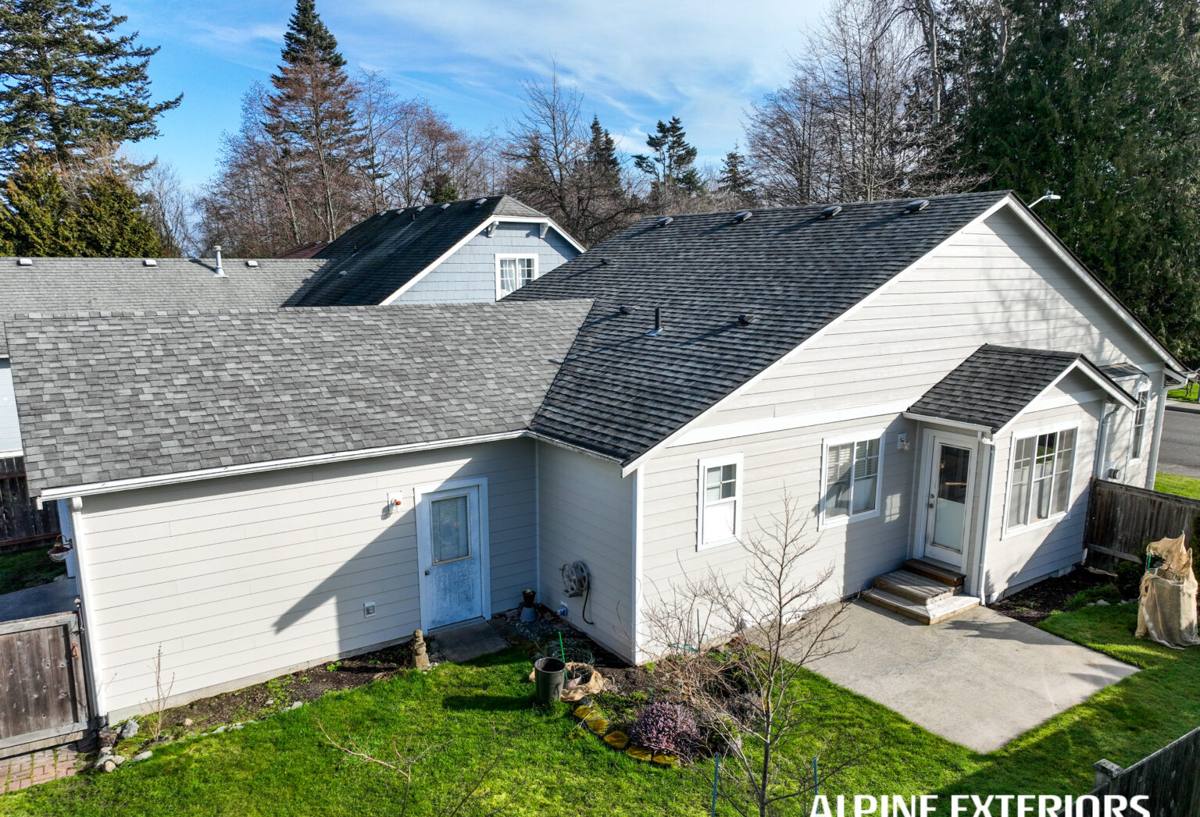
What the Climate Does to Indian Shores Homes
Salt Air, All Day, Every Day
Because the island is so narrow, salt aerosol from the Gulf doesn't have to travel far to reach any given exterior wall. Metal fasteners, trim, and lower-grade siding materials on Indian Shores homes tend to show corrosion and finish breakdown faster than the same products would just a few miles inland in Seminole proper. Anything installed here needs fasteners and finishes rated for that exposure, not general-purpose hardware.
UV Load and Coastal Heat
Direct, unobstructed sun off the water means siding and trim on Gulf-facing and even bay-facing elevations take a heavier UV dose than most inland homes see. Paint films that aren't engineered for it chalk, fade, and lose adhesion years ahead of schedule, which is why factory-applied, UV-stable finishes matter more here than almost anywhere in the county.
Wind-Driven Rain and Storm Exposure
Indian Shores is squarely in the path of tropical systems and the seasonal squall lines that roll off the Gulf. Wind-driven rain doesn't just wet a wall — it drives water sideways and upward, testing every seam, joint, and fastener penetration in the building envelope. On an island with essentially no windbreak, that pressure is constant during storm season and shows up as intrusion at the weakest point of an exterior system, whether that's siding, window flashing, or a deck ledger connection.
Elevation, Flood Zones, and Moisture at Grade
Many homes along this stretch are built on pilings or elevated slabs because of FEMA flood zone requirements, and lower-level enclosures, carports, and understructure areas see near-constant humidity and occasional storm surge exposure. Materials used at or near grade on an Indian Shores property need to tolerate damp conditions without swelling, delaminating, or feeding rot into the structure above.
Why We Install Only James Hardie Fiber Cement
Fiber cement is cement, sand, and cellulose fiber — it doesn't absorb water the way wood-based siding does, it won't rot, and it's non-combustible, which matters on a densely built island where structures sit close together. James Hardie's HZ5 product line is engineered specifically for high-humidity, high-exposure climates like the Gulf Coast, and the factory-applied ColorPlus finish is baked on and warranted against fading and peeling in a way that field-applied paint on other materials generally isn't. That combination is why it's the only siding system we put on homes in Indian Shores.
We won't install vinyl, LP SmartSide, Cemplank, Allura, or primed wood siding on this island, and it's worth being direct about why:
- Vinyl can warp and deform in sustained high heat and doesn't have the mass to resist wind-driven debris the way fiber cement does.
- LP SmartSide and other wood-strand products rely on an engineered wood core with a treated surface — any breach in that surface, which is more likely with constant wind-driven rain, opens the door to moisture absorption and swelling.
- Cemplank and Allura are also fiber cement, but we standardized on Hardie's specific HZ formulation and factory finish system for consistency, warranty structure, and a track record we can stand behind on every job.
- Primed spruce or cedar is a real, traditional material, but it demands a maintenance cadence — recoating, caulking, inspection — that's tough to keep up with on a salt-exposed island, and any lapse invites rot.
None of these are "bad" products in every setting. They're products with trade-offs, and on a barrier island where the environment doesn't give a wall any rest, those trade-offs tend to show up sooner rather than later.
How the Work Actually Gets Done Here
Fasteners and Flashing Built for Salt Exposure
Every fastener, flashing detail, and trim piece we use on an Indian Shores job is chosen with the salt air in mind — that means corrosion-resistant fasteners and flashing systems designed to shed wind-driven water rather than trap it. This is where a lot of exterior problems on the island actually start, not in the siding panel itself but in the details around windows, corners, and penetrations.
Installed to Hardie's Coastal Specification
James Hardie publishes specific fastening patterns, clearances, and caulking guidance for high-wind, coastal applications, and the difference between a siding job that survives twenty years of Gulf weather and one that fails early usually comes down to whether those specs were actually followed. We install to that standard on every Indian Shores project — correct nailing pattern, proper gapping at joints, and sealed penetrations — because on this island there's no margin for shortcuts.
Roofing, Windows, and Decks Working as One System
Siding doesn't perform in isolation. A roof that's shedding wind-driven rain correctly, windows that are properly flashed into the wall assembly, and a deck that's built to handle salt air and elevated humidity all protect each other. Because we handle siding, roofing, windows, and decks, we look at an Indian Shores home as one connected envelope rather than a collection of separate trades, which matters most exactly where those systems meet — around windows, at rooflines, and where decks tie into the structure.
Cost Factors Specific to This Area
| Factor | Why It Affects Indian Shores Projects |
|---|---|
| Wind zone / flood zone requirements | Elevated construction and stricter wind-load codes can affect fastening schedules and material specs |
| Access on a narrow island lot | Tighter lots and limited staging space can affect scheduling and material delivery logistics |
| Salt-rated fasteners and flashing | Coastal-grade hardware costs more than standard hardware but prevents early corrosion failures |
| Elevation and understructure work | Homes on pilings often need siding or trim work addressed at multiple levels, including enclosed lower areas |
| Existing damage from prior storms | Older exteriors on the island may have hidden moisture or fastener issues that surface during tear-off |
Signs an Indian Shores Home Needs Exterior Attention
- Chalky, faded, or peeling paint on siding or trim, especially on Gulf-facing walls
- Soft or spongy siding near window sills, corners, or the base of walls
- Visible rust streaking from fasteners or metal trim
- Gaps opening up at seams, corner boards, or window trim after storm season
- Musty odor or visible staining inside near exterior walls after heavy rain
- Deck boards, ledgers, or railings showing soft spots, splitting, or corrosion at fasteners
Working With a Local Crew on the Island
Indian Shores is a small, tightly packed community, and exterior work here comes with its own logistics — limited staging area, close-set neighboring homes, and in many cases HOA or condo association coordination for anything visible from the street or the beach side. A crew that works this specific stretch of Pinellas County regularly understands those constraints going in, rather than figuring them out on the fly. It also means we're familiar with how quickly conditions can change during storm season and plan installation timing accordingly.
We're based in Seminole and serve Indian Shores as part of our regular coverage area, not as an occasional trip to the beach. That local footprint matters when it comes to warranty follow-up, scheduling around weather windows, and simply being reachable if a question comes up after the job is done.
What to Expect From an Estimate
When we walk an Indian Shores property, we're looking at more than just the siding on the walls. We check window flashing and condition, roof edges and penetrations, deck structure and fastener condition, and any signs of moisture intrusion at grade or around the foundation. On an island where every exterior component is under constant coastal stress, a full-picture look tends to catch problems before they become expensive ones.
If you own a home in Indian Shores and want a straight answer about what your siding, roofing, windows, or deck actually need — not a sales pitch — we're happy to come take a look. The estimate is free, there's no pressure, and you'll walk away with a clear picture of your options.