 Seminole Siding
 Why Color Is a Bigger Decision Than It Looks
Picking a siding color feels like the fun part of a project, right up until you realize it's also one of the most consequential. In Seminole, color isn't just about curb appeal — it's about how the material holds up against a specific combination of stressors that most of the country doesn't deal with year-round: intense UV exposure, salt-laden air moving in off the Gulf, wind-driven rain during storm season, and the kind of humidity that never really lets a house dry out completely. A color system that looks great in a showroom in Ohio can behave very differently on a home three miles from the Intracoastal.
This is where James Hardie's factory-applied color system, ColorPlus Technology, earns its keep. Understanding how it works — and how to choose a color that suits both your house and your neighborhood — makes the difference between siding that looks good for two years and siding that looks good for twenty.
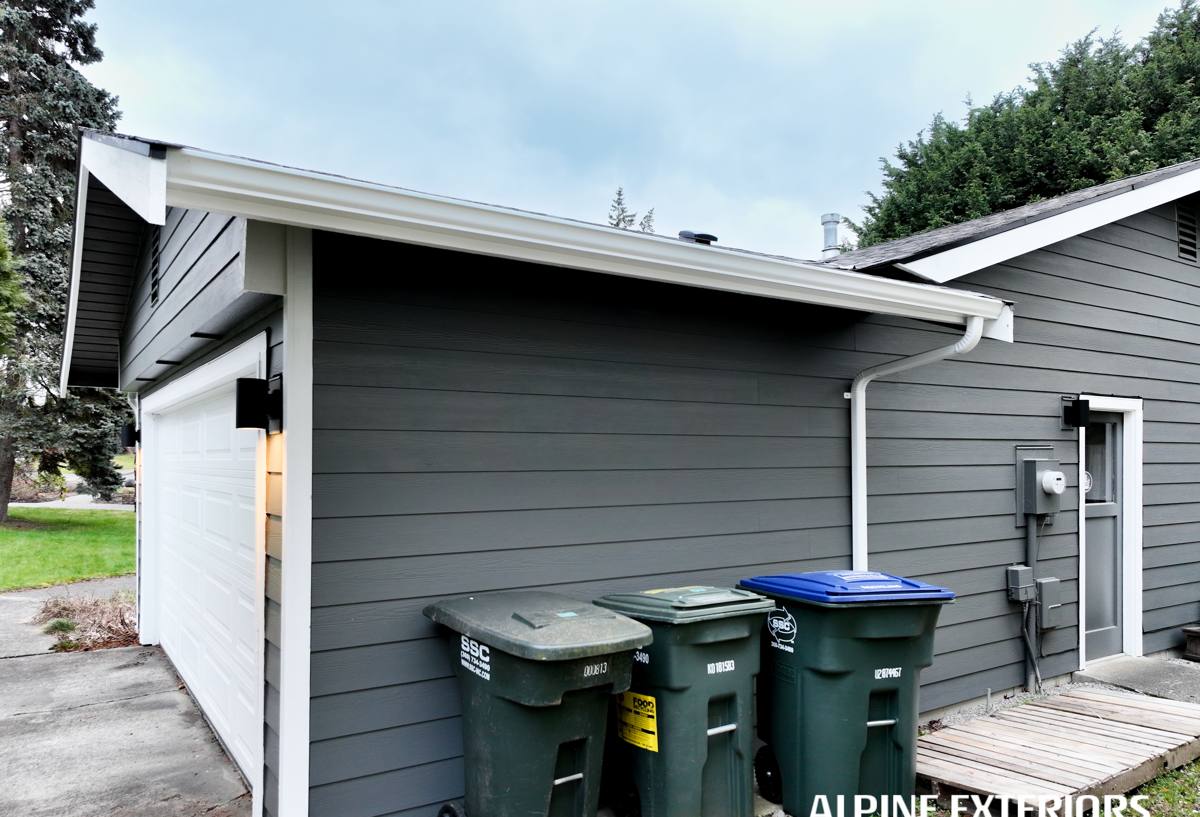
ColorPlus Technology: What's Actually Different About It
Standard fiber cement can be painted on site like any other exterior surface, and plenty of contractors do exactly that. James Hardie's ColorPlus boards are different: the color is baked onto the board in a controlled factory environment, in multiple coats, before the siding ever reaches Pinellas County. That matters for a few concrete reasons:
- Cure quality: A factory finish cures under controlled heat and conditions. A field-painted board cures at whatever temperature and humidity happen to exist on your street that day — which in Florida often means high humidity that slows and weakens the cure.
- UV resistance: The finish is engineered specifically to resist fading under sustained UV exposure, which is a non-trivial problem in a place that sees strong sun essentially every month of the year.
- Adhesion to the substrate: Because the coating is applied and cured before installation, it bonds more consistently across the entire board, including cut edges when properly treated with color-matched touch-up.
- Consistency: Every board in a batch is finished the same way, so you don't get the subtle color drift that can happen between different cans of field-mixed paint over the course of a large job.
The practical upshot for a homeowner is fewer repaint cycles. Field-painted siding in this climate often needs attention within 5-8 years. ColorPlus siding is backed by a 15-year finish warranty against fading and peeling, which is a meaningfully different proposition when you're weighing lifetime cost, not just install-day cost.
What ColorPlus Doesn't Mean
It doesn't mean the siding is maintenance-free forever, and it doesn't mean every color performs identically. Darker colors absorb more heat and, on any exterior product, tend to show fade and chalking sooner than lighter ones. It also doesn't replace correct installation — a beautiful color job on siding that's been face-nailed too tight or installed without the right clearance from grade will still fail early, regardless of the finish.
The Color Palette: What You're Actually Choosing From
James Hardie organizes its ColorPlus offerings into a curated palette rather than an open-ended paint chip wall. That's intentional — it keeps homeowners choosing from colors that have actually been tested and proven in the ColorPlus process, rather than an arbitrary shade that may not cure or hold up the same way.
| Category | What It Offers | Good Fit For |
|---|---|---|
| Statement Collection | Bolder, more saturated tones alongside classic neutrals | Homeowners wanting a distinctive look without going custom |
| Dream Collection | Broader range including deeper blues, greens, and grays | Coastal and craftsman-style homes wanting more character |
| Timeless neutrals | Whites, warm grays, greiges, classic tans | Resale-focused homeowners, HOA-governed neighborhoods |
| Custom color match | Field-applied to match a specific existing color | Partial replacements or matching existing trim/accents |
That last row deserves a caveat: once you step outside the factory ColorPlus palette into a custom-matched field finish, you're also stepping outside the 15-year finish warranty and back into ordinary paint-warranty territory. It's sometimes the right call for a specific situation, but it's worth going in with eyes open about what you're trading away.
Reading Color Against Seminole's Light and Salt Air
Florida sunlight is different from northern sunlight — it's more direct, more consistent through the year, and it doesn't let up much even in winter. A few things worth knowing before you commit to a swatch:
- Colors read lighter and brighter outdoors here. A color chip viewed under a showroom light or on a cloudy-climate sample board will often look a full shade or two lighter once it's on a wall reflecting Gulf Coast sun. If at all possible, view large-format samples outdoors, in direct sun, at different times of day.
- Salt air affects perceived color over time, mostly through the fine salt film that settles on exterior surfaces near the coast. This isn't a Hardie-specific issue — it affects any exterior finish — but it means homes closer to the water benefit from periodic rinsing regardless of siding brand or color.
- Glare and reflection matter more with very light colors in direct afternoon sun, which is a comfort consideration for anyone with windows facing a bright wall.
- Dark colors run hotter, which is a real consideration in a climate where the AC is already working overtime for most of the year. It's not disqualifying, but it's a legitimate factor in the decision, especially on southern and western exposures.
HZ5 Engineering and Why It's Not Just About the Topcoat
Color performance and product performance aren't separate conversations — they're the same conversation. James Hardie's HZ5 product line is engineered specifically for climate zones like ours: high humidity, heavy rain, and hurricane-exposed wind conditions. The board itself is formulated to resist moisture-related swelling and to hold its shape and surface integrity under repeated wet-dry cycling, which is exactly what a ColorPlus finish needs underneath it to keep looking good. A great finish over a board that isn't suited to the climate will still crack or telegraph substrate movement over time. Choosing HZ5-engineered Hardie board with a ColorPlus finish is a matched system, not two separate decisions.
Practical Color Selection: A Working Approach
Start With What Won't Change
Roof color, brick or stone accents, and any elements you're not replacing (driveway, walkways, existing trim you're keeping) are fixed points. Pull your siding color from those rather than the other way around — it's much easier to find a Hardie color that complements an existing roof than to repaint a roof to match new siding.
Consider Your HOA or Deed Restrictions
A number of Seminole and greater Pinellas County communities have architectural review committees or HOA color guidelines, sometimes with an approved palette or a submission process. Check this before you fall in love with a bold Statement Collection color — it's a much easier conversation to have before ordering material than after.
Think About Trim and Accent Contrast
Hardie's trim boards and accent siding (like shake-style panels for gables) are available in coordinating ColorPlus finishes, which lets you build a two- or three-tone scheme — body color, trim color, and an accent — without ever leaving the factory-finished system.
View Large Samples, Not Chips
A paint-chip-sized sample tells you almost nothing about how a color reads across an entire elevation. Ask to see larger sample boards, and view them against your actual house in daylight before finalizing.
A Practical Checklist Before You Commit
- Confirm whether your neighborhood or HOA has color approval requirements
- View large-format samples outdoors, in direct sun, at more than one time of day
- Decide whether darker tones are worth the added heat absorption for your exposure
- Choose fixed elements (roof, hardscape) first, then match siding to those
- Confirm whether trim and accent pieces will be ordered in a coordinating ColorPlus finish
- Ask directly whether any color you're considering falls inside or outside the ColorPlus factory palette
- Get the finish warranty terms in writing tied to the specific color and product line you choose
Upkeep: What Keeping a ColorPlus Finish Looking Right Actually Involves
ColorPlus siding isn't zero-maintenance, but it's low-maintenance compared to field-painted alternatives. In practice, that means:
- Periodic rinsing with a garden hose to clear salt film and general grime, especially on homes closer to the water
- Avoiding pressure washers directly on the siding surface, which can damage the finish and force water behind the boards
- Prompt caulk inspection at joints and penetrations, since caulk failure — not the finish itself — is the most common source of moisture problems on any siding system
- Using manufacturer-matched touch-up paint on any cut edges or minor scuffs, rather than a generic exterior paint that won't age at the same rate as the factory finish
Where This Fits Into the Bigger Decision
Color is often the last decision homeowners make and the first one they notice going wrong if it's rushed. Taking the time to view real samples in Seminole's actual light, checking HOA rules early, and understanding what you're getting — and giving up — if you step outside the factory ColorPlus palette will save you a repaint headache down the road. It's a small amount of extra diligence relative to the life of the siding.
If you're weighing colors, product lines, or just want to see large-format ColorPlus samples against your own home, we're happy to put together a free, no-pressure estimate and walk through the options in person.