 Seminole Siding
 Bardmoor Sits Right in the Middle of Pinellas County's Toughest Weather
Bardmoor is one of Seminole's established residential communities, built around its golf course roots and known for mature landscaping and a mix of ranch-style and split-level homes that have been through decades of Gulf Coast weather. That's the key thing to understand about exteriors here: age matters. A lot of homes in this part of Seminole are wearing their original siding, their second or third roof, and windows that were never rated for what Florida throws at them today. None of that is unusual — it's just what happens when a house sits fifteen minutes from the Gulf for thirty or forty years.
Pinellas County homes deal with a specific combination of stressors: hurricane-force wind events, sun that doesn't let up for most of the year, wind-driven rain that finds every gap in a building envelope, and salt-laden air that corrodes anything not built to resist it. Bardmoor isn't on the water, but it's close enough that salt air still reaches the neighborhood, and it's exposed to the same storm tracks and summer thunderstorm cells as the rest of Seminole.
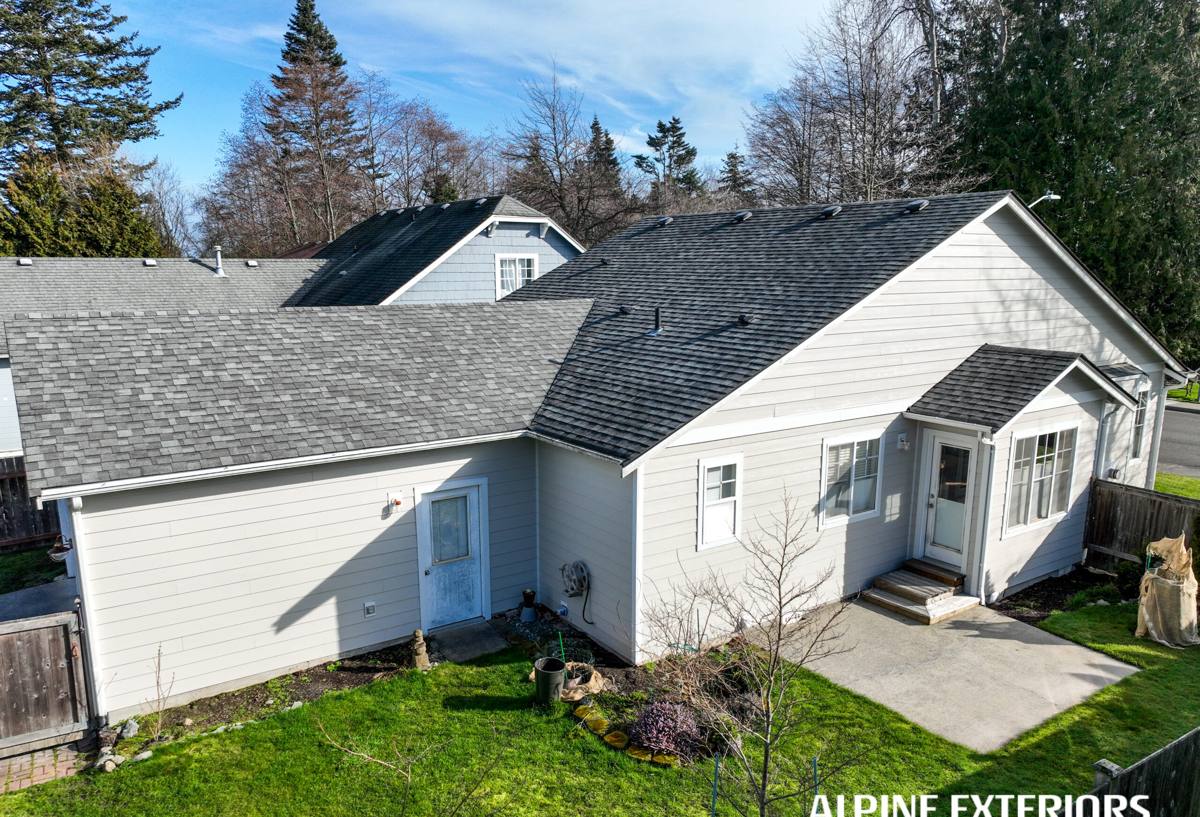
What This Climate Actually Does to Exterior Materials
UV Breakdown
Florida gets some of the most intense, sustained UV exposure in the continental U.S. Paint fades, caulk goes brittle, and any material that relies on a surface coating rather than a baked-in finish starts showing chalking and color loss well before it would in a milder climate. This is one of the biggest reasons factory-applied finishes outperform field-painted ones here — the finish is cured under controlled conditions instead of degrading in place from day one.
Wind-Driven Rain
Rain in Pinellas County rarely falls straight down. Storms push in off the Gulf sideways, and that means water gets driven into seams, laps, and fastener penetrations that would stay dry in a calmer climate. Siding and trim systems that aren't detailed and installed correctly — regardless of the material — end up letting moisture behind the cladding, where it causes rot, mold, and sheathing damage long before anything looks wrong on the surface.
Salt Air and Humidity
Even away from the immediate coastline, salt-laden humid air accelerates corrosion of fasteners, flashing, and any metal components, and it keeps wood-based products at a higher moisture content for more of the year. That combination shortens the useful life of materials that aren't specifically engineered to resist moisture absorption.
Wind Load
Seminole is well within reach of tropical storm and hurricane wind events. Exterior materials and their fastening schedules need to be rated for the wind zone, and installation quality matters as much as the product spec — a good material installed loosely or with the wrong fastener pattern is still a liability in a major wind event.
Why We Install Only James Hardie Fiber Cement Siding
We made a decision to standardize on one siding system for every home we work on, and it's James Hardie fiber cement. We don't install vinyl, LP SmartSide, Cemplank, Allura, or wood siding like primed spruce or cedar, and we're upfront about why: in a climate like this one, the trade-offs on those products show up faster and cost homeowners more over time than most people expect when they're comparing sticker prices.
Vinyl softens, warps, and can crack under sustained heat and impact, and it has real limits in high-wind installations unless it's rated and fastened correctly. Wood-based products, including engineered wood like LP SmartSide, are more vulnerable to moisture intrusion at cut edges, seams, and fastener points — vulnerabilities that wind-driven rain finds efficiently in this part of Florida. Cedar and primed spruce require ongoing maintenance (painting, sealing, edge treatment) that most homeowners underestimate when they price the project. None of these are "bad" products in every climate — they just aren't what we're willing to warranty and stand behind on Gulf Coast homes.
James Hardie fiber cement is non-combustible, holds its factory-applied ColorPlus finish far longer than field paint, and Hardie's HZ5 product line is specifically engineered for high-humidity, storm-prone climates like ours. It doesn't rot, it resists pest damage, and it carries a strong transferable warranty that reflects the manufacturer's confidence in how it performs when installed to spec.
Siding Material Comparison
| Material | Moisture Behavior | UV/Finish Durability | Wind Performance | Maintenance |
|---|---|---|---|---|
| James Hardie fiber cement | Doesn't absorb/rot; engineered HZ lines for humid climates | Factory ColorPlus finish resists fading for years | Rated systems, strong track record when installed to spec | Low — occasional cleaning |
| Vinyl | Doesn't rot but can trap moisture behind it | Can fade, chalk, and become brittle in intense UV | Limited without correct rating/fastening | Low, but damage often means full-panel replacement |
| LP SmartSide / engineered wood | Vulnerable at cut edges and seams if not sealed perfectly | Field-applied finishes degrade faster | Adequate when installed correctly | Moderate — edge sealing and inspection |
| Cedar / primed spruce | Absorbs moisture, prone to rot without upkeep | Requires repainting/resealing on a cycle | Adequate but installation-sensitive | High — ongoing painting and sealing |
Roofing: The First Line of Defense
Roofs in Bardmoor take the brunt of both UV and wind exposure. Shingle and underlayment choices matter more here than in milder climates — granule loss from UV, and blow-off risk in wind events, are the two failure modes we see most. A roof replacement is also a chance to correct decades-old ventilation or flashing shortcuts that speed up deterioration of everything underneath, including the siding and interior walls. When we're on a roof for an inspection or replacement, we're also checking the condition of fascia, soffits, and the transition points where roof meets wall — those details are where wind-driven rain does the most damage over time.
Windows: Impact Rating Isn't Optional Here
Pinellas County's building code reflects its wind exposure, and older Bardmoor homes frequently have windows that predate current impact standards. Beyond storm protection, updated window systems cut down on the humid, salt-laden air infiltration that drives up cooling costs and stresses interior finishes. Replacing windows at the same time as siding also lets us properly integrate flashing and water management around each opening — a detail that's much harder to get right when window and siding work happen years apart with different crews.
Decks: Built for Sun and Storms, Not Just Looks
A deck in this climate is under constant UV load and regular soaking from Florida's rain patterns, and that combination is hard on fasteners, framing, and surface materials alike. Composite decking holds up to sun and moisture with far less upkeep than most wood options, and correct framing and fastener selection (stainless or coated hardware) matters more here than it would inland, because of the corrosive effect of salt air on standard fasteners.
Why a Local Crew Matters in Bardmoor
A crew that works Seminole and greater Pinellas County regularly understands the specific failure patterns of this climate — the way wind-driven rain finds gaps, which flashing details actually hold up, which fastener patterns matter for local wind exposure, and what permitting and inspection look like in this jurisdiction. That local knowledge shows up in the details: correct starter strip and flashing installation, proper fastener spacing for the wind zone, and water management details at windows, corners, and roof transitions that a crew unfamiliar with Gulf Coast conditions can easily miss.
Planning an Exterior Project: What Drives the Cost
| Factor | Why It Matters |
|---|---|
| Home size and wall complexity | More corners, dormers, and trim details mean more labor and material cuts |
| Existing substrate condition | Rot or moisture damage found during tear-off adds repair scope |
| Siding profile and accessories | Trim, soffit, and fascia choices affect both cost and long-term durability |
| Access and site conditions | Landscaping, fencing, and setback affect staging and labor time |
| Scope bundling | Combining siding with window or roof work can reduce redundant labor and improve water management integration |
Before You Get Quotes, a Quick Checklist
- Get a close look at your current siding for soft spots, gaps, or cracked caulk lines, especially near windows and corners
- Note the age of your roof — a siding project is a good time to plan roof timing too
- Check whether your windows are impact-rated or original to the home
- Ask any contractor directly what siding material they install and why — and whether they warranty their installation, not just the material
- Confirm permitting and inspection are included in the scope, not left to you
Getting Started
If you're weighing a siding, roofing, window, or deck project for a home in Bardmoor, we're happy to take a look and talk through what your house actually needs — no pressure, no inflated scope. A free estimate is a good first step toward understanding your options and getting a straight answer about what will hold up here long-term.