 Seminole Siding
 Siding Built for St. Pete Beach's Coastal Exposure
St. Pete Beach sits right on the Gulf, and that barrier-island location changes what a home's exterior has to deal with compared to homes further inland in Pinellas County. Salt-laden air moves through the neighborhood constantly, not just on windy days. Add in intense, nearly year-round UV exposure and the wind-driven rain that comes with Gulf storms, and you have a combination that is genuinely hard on exterior building materials. Seminole Siding Installer works this stretch of coastline regularly, and St. Pete Beach homes tell a consistent story: siding, trim, and fascia that were never designed for saltwater exposure tend to show it early, usually well before homeowners expect.
We're a Seminole-based crew, and St. Pete Beach is part of our regular service area, not a place we drive to occasionally. That matters more here than in most markets, because coastal exterior work has a learning curve. Fastener choice, flashing details, and product selection all need to account for salt air, and a crew that mostly works inland subdivisions doesn't always carry that habit into a beach job.
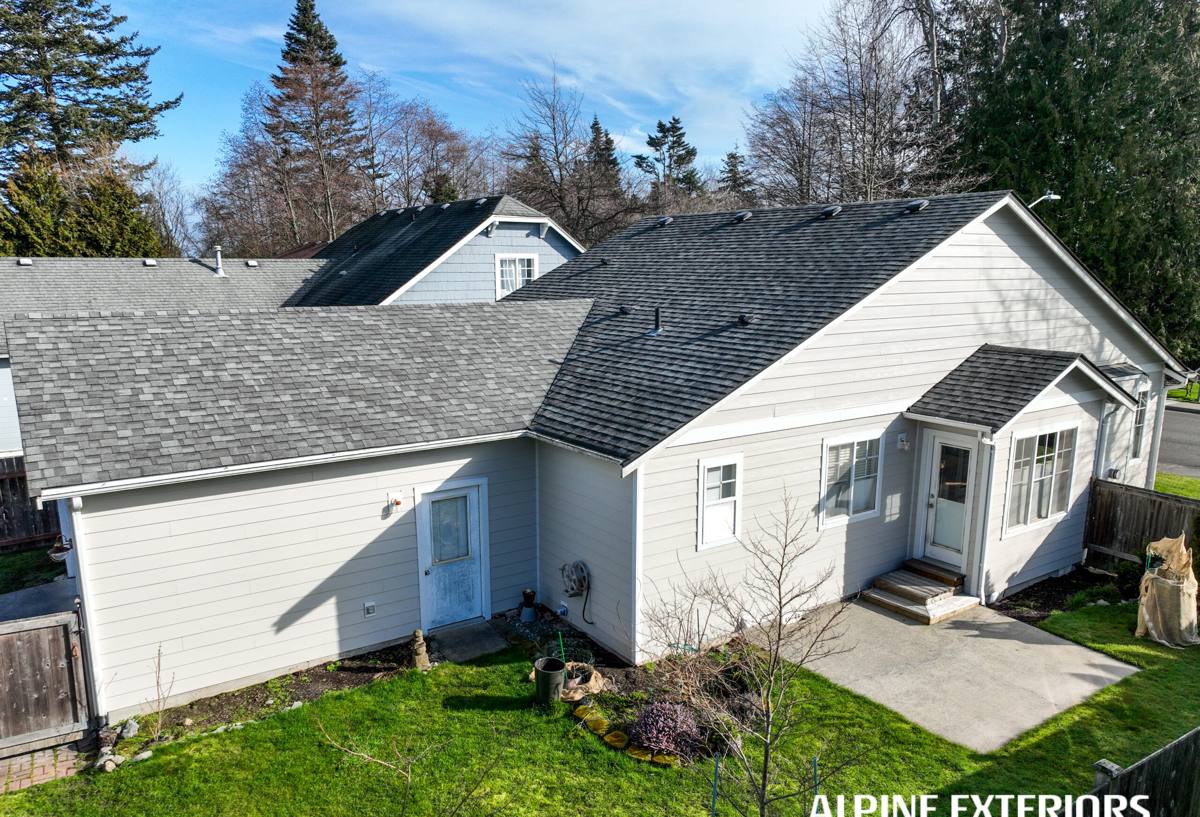
What Salt Air, Sun, and Wind Actually Do to a Home
Salt Air and Corrosion
Airborne salt settles on every exterior surface near the Gulf, including siding, trim, fasteners, and hardware. Over time it accelerates corrosion in anything not rated for coastal exposure, and it can degrade paint films and caulking faster than the same products would fail a few miles inland. This is one of the biggest reasons material choice matters so much for a St. Pete Beach home.
UV Exposure
Florida sun is intense everywhere in Pinellas County, but homes with open, unobstructed sky exposure near the water get the full dose all day. UV breaks down pigments and resins in lower-grade siding and paint, leading to fading, chalking, and eventually cracking as the material loses flexibility.
Wind-Driven Rain
Gulf storms don't just drop rain straight down — wind pushes it sideways, forcing water into seams, laps, and penetrations that would stay dry in a calmer rain event. Siding systems and flashing details that aren't installed with wind-driven rain in mind are where leaks tend to start, often behind the wall long before there's a visible sign inside.
Wind Load
St. Pete Beach homes need exterior systems rated for real wind exposure, not just code minimums assumed for a sheltered inland lot. Fastening schedules, panel attachment, and trim details all need to reflect that.
Why We Install Only James Hardie Fiber Cement
Seminole Siding Installer made a deliberate decision to install James Hardie fiber cement siding exclusively — not vinyl, not LP SmartSide, not Cemplank, Allura, or primed wood products. That's not a marketing position; it's a standard we hold because of what we've seen these products do in coastal Florida conditions over time.
Vinyl siding can work fine in mild climates, but in direct Gulf sun it's prone to expansion, warping, and fading faster than most homeowners expect, and it offers little resistance to wind-driven debris. Engineered wood products like LP SmartSide perform well in many parts of the country, but wood-based substrates are more sensitive to sustained moisture exposure, and a barrier-island climate with salt air and high humidity is a tough proving ground for anything wood-based, even with treated strand and resin coatings. Other fiber cement brands (Cemplank, Allura) are legitimate products, but we've standardized on one manufacturer, one installation system, and one warranty structure so every job we do is consistent and every homeowner gets the same accountability if something goes wrong.
James Hardie fiber cement is non-combustible, dimensionally stable in heat and humidity, and factory-finished with ColorPlus technology, which bonds color to the board before installation instead of relying on field-applied paint that has to hold up against UV and salt on its own. Hardie's HZ5 product line is engineered specifically for climate exposure like ours, and the warranty is transferable, which matters to buyers and sellers alike on the barrier islands where turnover is common.
Roofing, Windows, and Decks in the Same Coastal Context
Siding is only part of the exterior envelope. We also handle roofing, windows, and decks for St. Pete Beach homeowners, and the same coastal logic applies across all of it. A roof exposed to salt air and hurricane-force gusts needs correctly rated materials and fastening; windows near the Gulf need to manage both UV and wind-driven rain at the seals and flashing; decks facing salt air and sun need hardware and fastener choices that won't corrode or degrade early. We look at the whole exterior together rather than treating siding, roofing, windows, and decks as unrelated projects, because water and wind don't respect those boundaries — a failure point in one system often shows up as damage in another.
What a Siding Project Looks Like on a St. Pete Beach Home
Every home is different, but St. Pete Beach jobs tend to share a few things in common: proximity to the water, higher wind exposure, and often an older structure that was sided with a different material decades ago. Our process typically includes:
- An on-site assessment of existing siding, trim, and any moisture or corrosion signs, with particular attention to areas facing the water or prevailing wind
- Inspection of the wall assembly and sheathing once old siding is removed, since coastal homes sometimes have hidden moisture damage from years of wind-driven rain intrusion
- Correct water-resistive barrier and flashing installation at every penetration, seam, and transition — this is where most coastal siding failures actually originate
- Installation of James Hardie panels or lap siding using fastening schedules appropriate for the wind exposure at this specific site
- Trim, corner, and joint detailing built to shed wind-driven rain rather than trap it
- A final walkthrough covering care and maintenance specific to a salt-air environment
Comparing Siding Options for a Coastal Pinellas Home
| Factor | Vinyl | Engineered Wood (LP SmartSide) | James Hardie Fiber Cement |
|---|---|---|---|
| Salt air resistance | Moderate; hardware and seams are the weak point | Lower; wood-based core is sensitive to sustained moisture | High; non-combustible, dimensionally stable material |
| UV/fade resistance | Fades and can become brittle over time in intense sun | Depends on field-applied paint upkeep | Factory-baked ColorPlus finish resists fading |
| Wind performance | Can distort or dislodge in high, sustained wind | Solid when installed correctly and maintained | Engineered HZ lines rated for high-wind, coastal exposure |
| Moisture/rot risk | Low rot risk, but seams can trap water | Higher if moisture reaches the wood substrate | Very low; not wood-based |
| Warranty | Varies widely by manufacturer | Manufacturer-dependent, often shorter | Strong, transferable manufacturer warranty |
Why a Local Seminole Crew Matters Here
St. Pete Beach is a short drive from our Seminole base, and we treat it as core service territory rather than overflow work. That local familiarity means we already understand what this stretch of coastline throws at a home — the salt exposure, the wind patterns, the way older beach-area homes were often built and sided decades ago with materials that were never meant to hold up this long. A crew that primarily works inland Pinellas neighborhoods and occasionally takes a beach job doesn't build that same instinct for coastal detailing. We show up knowing what to look for before we even start the estimate.
Being local also means real accountability. If a question comes up six months or six years after installation, we're not a company that worked the area once and moved on — we're based nearby and plan to keep serving this community for the long term.
What to Ask Before Hiring an Exterior Contractor Near the Water
Coastal exterior work has higher stakes than an inland job, so it's worth being more careful about who you hire. A short checklist worth going through with any contractor:
- Do they have experience specifically with barrier-island or immediate-coastal properties, not just general Pinellas County work?
- What siding material do they recommend for salt-air exposure, and why — can they explain the trade-offs rather than just quoting a price?
- Do they carry proper licensing and insurance for Florida exterior work, and can they provide documentation?
- What is their approach to flashing and water management at seams, corners, and penetrations?
- What warranty backs the material, and is it transferable if the home sells?
- Are they willing to walk the exterior with you and point out existing moisture or wind damage before starting?
Get a Free Estimate
If you own a home in St. Pete Beach and you're noticing fading, warping, soft spots, or aging trim, it's worth having a local crew take a look before those small issues turn into wall or structural damage. Seminole Siding Installer offers free, no-pressure estimates for siding, roofing, windows, and decks — fill out the form below and we'll schedule a time to walk the exterior with you.