 Seminole Siding
 Windows Built for Bardmoor, Not Just "Florida"
Bardmoor sits inland enough from the Gulf to feel like a quiet, established neighborhood, but it's still Pinellas County — which means every window on every house here answers to the same set of demands: hurricane-force wind events, sun exposure that runs nearly year-round, wind-driven rain that finds any gap in a poor installation, and salt-laden air that doesn't stop at the beach. A window that was fine in a milder climate, or one that was installed without local conditions in mind, tends to show its weaknesses here faster than homeowners expect — fogged glass, chalky or pitted frames, sticking sashes, and water stains on the drywall below the sill.
"Custom" doesn't mean fancy shapes or a showroom upsell. It means the window is sized, specified, and installed to fit your actual opening, your actual sun exposure, and your actual wind zone — not a generic big-box unit forced into a rough opening it wasn't made for. That distinction matters more in a neighborhood like Bardmoor, where home ages and construction styles vary block to block, than it does almost anywhere else in the trade.
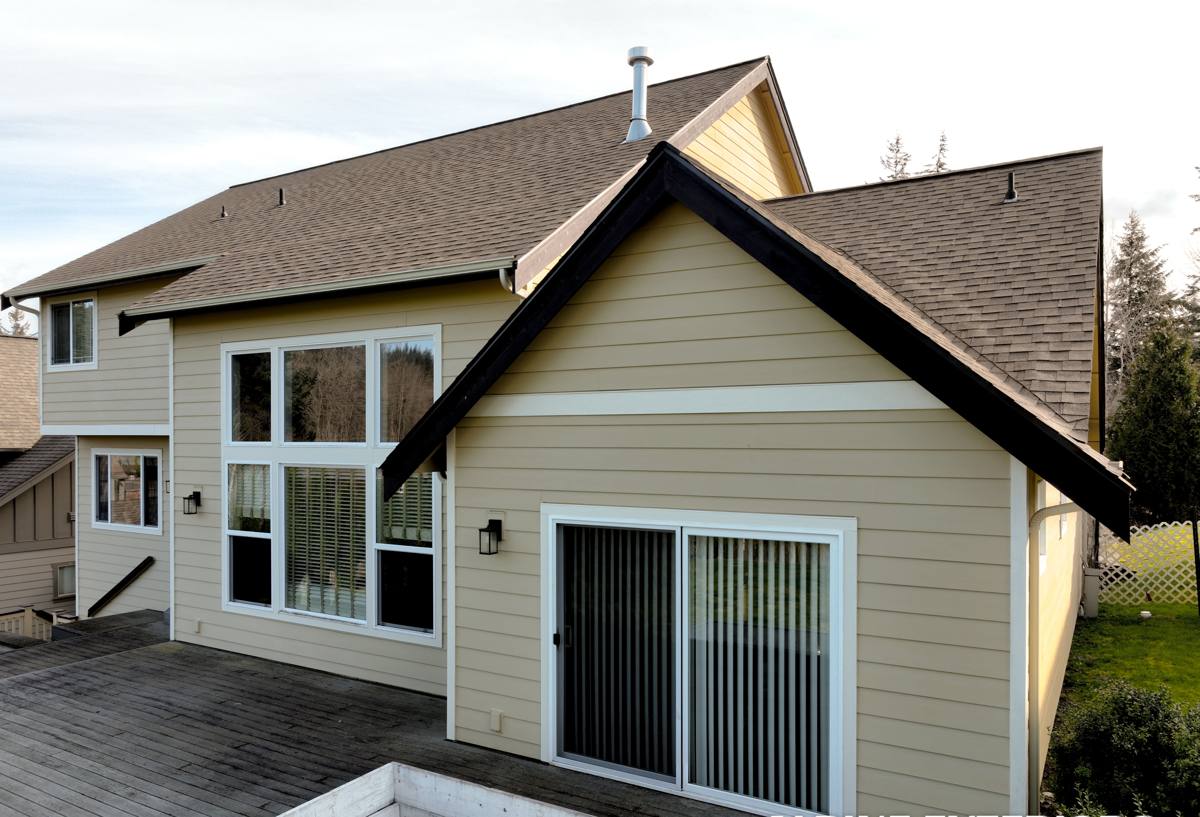
What Bardmoor Homes Specifically Need
Housing Stock Variety
Bardmoor has a mix of home ages, and older openings are rarely perfectly square or standard-sized after decades of settling. A true custom approach starts with field measurements of every opening individually — not an assumption that all the windows on a house are the same size, even when they look it from the curb. Cutting corners here is the single most common cause of a window that leaks or binds within a year or two of installation.
Wind and Debris Exposure
Pinellas County falls within Florida's wind-borne debris region under the Florida Building Code, which means replacement windows in this area generally need to meet impact-resistance or opening-protection requirements — not because every storm is a direct hit, but because the code is written for the worst realistic case. Meeting code isn't optional and it isn't a sales add-on; it's the baseline for a legal, insurable installation in Seminole.
Sun and Heat Load
West- and south-facing rooms in Bardmoor take a beating from UV exposure most of the year. Glass and frame material both matter here — cheap glazing yellows, frames without UV-stable formulations chalk and fade, and interior furnishings take the damage the window was supposed to stop.
Frame Material: What Actually Holds Up Here
We install several frame materials, and each one has a real, honest tradeoff in this climate. There's no single "best" material for every house — it depends on budget, the look you want, and how much upkeep you're willing to do.
| Material | Salt Air / UV Behavior | Maintenance | Typical Fit |
|---|---|---|---|
| Vinyl | Good corrosion resistance; quality varies widely by manufacturer | Low — no painting, occasional cleaning | Most Bardmoor homes; strong value for impact-rated units |
| Aluminum | Strong and slim sightlines, but prone to corrosion near the coast without proper coatings | Moderate — watch for pitting, especially closer to the water | Modern or narrow-sightline designs |
| Fiberglass | Excellent dimensional stability, resists warping and fading | Low | Homeowners planning to stay long-term; higher upfront cost |
| Wood / Wood-clad | Attractive but the most vulnerable to humidity and salt air without diligent upkeep | High — regular sealing/painting required | Historic or specific architectural styling only |
We won't push wood-frame windows on an exposed elevation without an honest conversation about the maintenance commitment. It's not that wood is a bad product — it's that its moisture sensitivity makes it a poor match for casual upkeep in a humid, salt-influenced environment like ours.
Glass and Impact Ratings
The frame is half the equation; the glass package is the other half. For Bardmoor installations we're typically discussing:
- Impact-rated laminated glass — meets Florida Building Code wind-borne debris requirements without needing separate shutters or panels
- Low-E coatings — reduce UV transmission and heat gain, protecting flooring and furniture and easing the air conditioner's workload
- Insulated (dual-pane) construction — improves energy performance and reduces street and neighborhood noise
- Tinted or reflective options — worth discussing on west-facing rooms with heavy afternoon sun
Impact-rated glass is thicker and heavier than standard residential glass, which changes the hardware, the frame reinforcement, and the installation technique required to support it correctly. This is part of why a truly custom specification matters — the frame has to be engineered to carry that glass, not just hold it.
How a Correct Installation Actually Works
A window is only as good as its installation. Most of the failures we get called out to inspect — leaks, drafts, sashes that won't latch — trace back to installation shortcuts, not the product itself. Here's what a correct job involves:
- Field measurement of every opening. No assumptions based on the original builder's plans or a single "typical" measurement.
- Removal and inspection of the existing opening. This is the point where hidden rot, moisture damage, or prior flashing mistakes get found and addressed — not covered up.
- Flashing and weatherproofing correctly sequenced. Water management around the opening is layered so water is directed out, never trapped behind the new window.
- Proper shimming and anchoring to the structural opening, rated for the wind loads required by code for this area.
- Sealing with the right sealants for Florida's humidity and UV exposure — not a generic caulk that will crack and fail within a season or two.
- Interior and exterior trim-out finished to match the home, followed by a functional check of every sash, lock, and lever.
- Final walkthrough so you understand the operation, hardware, and any warranty documentation before we leave.
Skipping or rushing any one of those steps is how a good window ends up performing like a cheap one. It's also why two quotes for "the same window" can differ significantly — one may be pricing the product only, without the labor and materials a correct install actually requires.
Signs an Existing Window Is Already Failing
If you're weighing repair versus replacement on a Bardmoor home, these are the signs that point toward replacement rather than another patch job:
- Fogging or a visible haze between panes of dual-pane glass (a broken seal — this can't be repaired, only replaced)
- Frames that feel soft, chalky, or show visible pitting
- Water staining on interior drywall or the sill below the window, especially after wind-driven rain
- Sashes that stick, won't latch fully, or rattle in wind
- Visibly higher cooling bills in rooms with older, non-Low-E glass
- Gaps you can see daylight through around the frame
One or two of these on a single window might be a repair. Several of these across multiple windows, or on a home that's due for a wind-mitigation update anyway, usually points toward a planned replacement project instead.
Choosing an Installer for Bardmoor Work
Not every contractor who advertises windows in Pinellas County actually does the volume of local work to know what Bardmoor's homes specifically need. A few things worth asking before you hire anyone:
- Are they licensed to do this work in Florida, and can they provide proof of insurance?
- Will the proposal specify the exact glass package and impact rating, not just "hurricane windows"?
- Do they pull the required permit, or ask you to skip it? (Skipping the permit is a red flag, not a shortcut worth taking.)
- Is the installation crew their own employees, or subcontracted out with no continuity?
- What's the written warranty on both the product and the labor — separately?
- Can they explain, in plain terms, why they're recommending one frame material or glass package over another for your specific elevation and sun exposure?
A contractor who's genuinely comfortable in Bardmoor will have answers to all of these without hesitation, because they've had the conversation before, on a house very much like yours.
What Custom Windows Typically Involve, Cost-Wise
Pricing on custom, impact-rated windows depends on size, glass package, frame material, and how many openings are involved — there's no honest single number that applies to every Bardmoor home. In general terms, expect the cost to scale with:
| Factor | How It Affects Cost |
|---|---|
| Opening size | Larger openings need heavier glass and reinforced frames to meet impact ratings |
| Frame material | Vinyl is typically the most budget-friendly; fiberglass and wood-clad run higher |
| Glass package | Impact-rated, Low-E, or tinted glass each add cost over base clear glass |
| Condition of the existing opening | Rot repair or structural correction found during removal adds labor |
| Number of openings | Whole-house projects typically bring a better per-window rate than one-off replacements |
We'll always give you a specific, itemized number for your actual home rather than a rough estimate pulled from a national average — those numbers rarely hold up once local wind and code requirements are factored in.
Maintenance After Installation
Even a correctly installed, high-quality window needs a small amount of upkeep in this climate to perform for its full service life:
- Rinse frames periodically, especially on elevations exposed to prevailing wind, to clear salt residue before it accumulates
- Inspect exterior caulking and sealant annually, and re-seal if it's cracking or pulling away
- Keep weep holes on the exterior sill clear of debris so water can drain as designed
- Operate every sash a few times a year, even ones you rarely open, to keep hardware and seals from seizing
- Check screens and hardware after any major storm event
None of this is demanding, but skipping it is how a fifteen-year window turns into an eight-year window.
If you're weighing repair versus replacement, planning ahead of hurricane season, or just want a straight answer on what your Bardmoor home actually needs, we're happy to take a look and walk the property with you. The estimate is free, there's no pressure to sign anything on the spot, and you'll get a specific, itemized recommendation for your home — not a generic quote. Use the form below to get started.