 Seminole Siding
 Why Bardmoor Homes Need a Different Approach to Windows
Bardmoor is one of the more established residential pockets in Seminole, and that maturity cuts both ways. The lots are landscaped, the streets are quiet, and the homes have real bones — but a lot of that housing stock was built decades ago, before Florida's modern wind-load and impact codes existed. When it's time to replace windows in a home like this, a simple swap-in-place often isn't enough. The original framing, flashing, and rough openings were built to an older standard, and Pinellas County's climate has been working on that framing every year since: salt-laden air off the Gulf, punishing UV exposure nearly 365 days a year, wind-driven rain that finds every gap, and the real threat of hurricane-force wind loads during storm season.
That combination is why so many Bardmoor homeowners end up needing new-construction windows rather than a basic insert replacement. It's a bigger job, done right the first time, and it's the difference between windows that perform for twenty-plus years and windows that start leaking or racking within a few seasons.
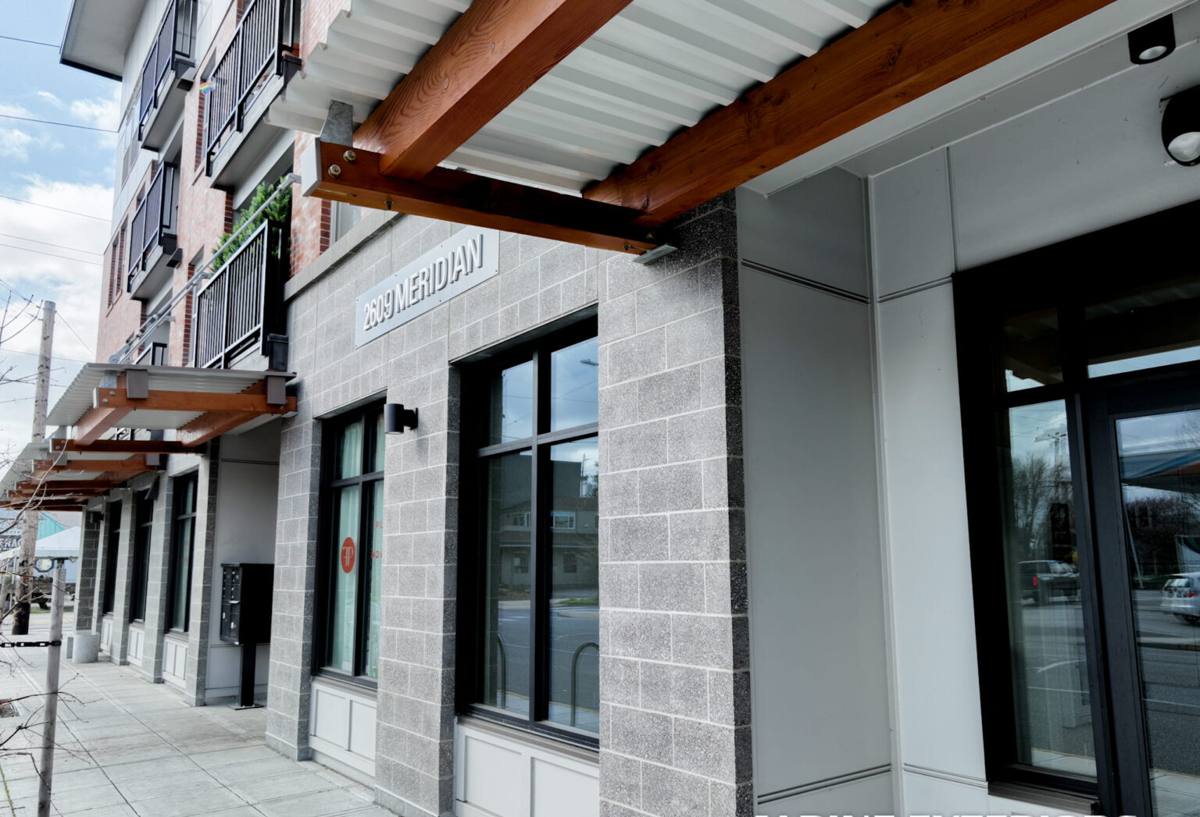
New-Construction Windows vs. Insert Replacement: What's the Difference?
"New-construction" is a trade term, not a marketing label, and homeowners deserve to understand what they're paying for. It refers to how the window is installed, not whether the house itself is newly built.
- Insert (pocket) replacement: The new window frame is installed inside the existing window frame, which stays in the wall. Faster and less invasive, but it depends on the old frame still being sound and square.
- New-construction (full-frame) replacement: The old window, including its frame, is removed down to the rough opening in the wall studs. The new window is set with a nailing fin, properly flashed, and integrated into the wall's water management system from scratch.
Full-frame is more labor, more material, and a longer job. It's also the only correct option when the original frame is rotted, out of square, undersized for today's impact-rated glass, or when we're closing up an opening and resizing it. For a lot of the older construction we see around Seminole and Bardmoor, once we open the wall and see what decades of humidity and UV cycling have done to the original wood buck, full-frame stops being a preference and becomes the only responsible option.
How to Tell Which One Your Home Needs
You often can't know for certain until the old window is out and the opening is exposed, but there are signs that point strongly toward a full-frame job before we even start:
- Visible daylight, drafts, or water staining around the frame edges
- Soft or spongy wood when pressed near the sill or jambs
- Windows that are noticeably out of square or hard to operate
- Any prior water intrusion reported in that wall cavity
- Plans to upsize, downsize, or relocate the opening
- A home built before modern impact-glass code requirements that needs a real upgrade, not a cosmetic one
What Bardmoor's Climate Actually Demands From a Window Install
Seminole sits close enough to the Gulf that salt air is a constant, low-grade corrosive force on hardware, fasteners, and unprotected metal. Combine that with Pinellas County's wind-borne debris requirements and the seasonal reality of tropical systems, and a window install here has to satisfy more than "looks good and opens smoothly."
| Climate Factor | What It Does to a Window Over Time | What the Install Must Account For |
|---|---|---|
| Salt air | Corrodes exposed fasteners, hinges, and cheaper hardware finishes | Corrosion-resistant fasteners and hardware rated for coastal exposure |
| Year-round UV | Degrades vinyl, breaks down sealants, fades frames unevenly | UV-stable frame materials and sealants rated for sustained sun exposure |
| Wind-driven rain | Finds any gap in flashing and pushes water uphill against gravity | Correctly shingled flashing, sill pans, and sealed nailing fins |
| Hurricane-force wind loads | Stresses frames, glass, and anchoring at the rough opening | Impact-rated glazing and anchoring engineered to local wind-load requirements |
None of this is exotic — it's just what correct installation looks like in a coastal Florida market. But it only happens if the crew treats every one of those factors as non-negotiable, not optional upgrades.
What a Correct Install Actually Involves
A full-frame window replacement has more steps than most homeowners expect, and skipping any one of them is how call-backs and leaks happen years down the road.
- Removal: Old window and frame come out cleanly, exposing the rough opening and wall sheathing.
- Inspection: The opening, studs, and sheathing get checked for rot, moisture damage, or prior repairs before anything new goes in.
- Repair as needed: Any compromised framing or sheathing gets replaced — never covered up.
- Flashing and water management: Sill pan flashing goes in first, then side and head flashing, shingled correctly so water is always directed outward and down.
- Setting the window: The unit is set plumb, level, and square, then secured through the nailing fin per the manufacturer's fastening schedule.
- Sealing: Compatible sealants are applied at the fin and interior — not just caulk smeared around the trim.
- Insulation and interior finish: The gap between frame and rough opening is properly insulated, then trimmed out.
- Exterior finish integration: Siding, stucco, or trim is tied back in around the new window so the whole wall assembly sheds water as one system.
That last step matters more than people think. A window is only as good as the wall it's set into — if the siding or stucco isn't properly integrated back around it, water finds its way in regardless of how good the window itself is.
Our Process for Bardmoor Projects
1. On-Site Assessment
We start at the house, not on the phone. We look at the existing frames, check for moisture or rot, measure openings, and talk through whether insert or full-frame is the honest answer for your situation — not just the profitable one.
2. Product Selection
We walk through frame material, glass package, and impact rating options based on your home's exposure, budget, and how long you plan to stay in it. There's no single "best" window for every house — a shaded interior lot and a wide-open corner lot facing prevailing wind can call for different specs.
3. Permitting
Window replacement in Pinellas County typically requires a permit, and impact-rated products need to meet current wind-load and product-approval requirements for this area. We handle that paperwork so it's done correctly and doesn't come back to bite you at resale.
4. Installation
Full-frame work, done in the sequence above — removal, inspection, flashing, setting, sealing, and finish integration — with nothing skipped to save a day on the schedule.
5. Final Walkthrough
We check operation, sealing, and finish work with you before we consider the job done, and we make sure you understand what maintenance (if any) the specific product needs going forward.
Frame Material Trade-Offs for Coastal Homes
Material choice matters more in a coastal, high-UV environment than it does further inland. Here's how the common options generally hold up under Seminole conditions:
| Frame Material | Coastal/UV Performance | Maintenance Consideration |
|---|---|---|
| Vinyl | Good UV-stable formulations resist fading and don't corrode; quality varies by manufacturer | Low — no painting, no rust risk |
| Aluminum | Strong structurally, but standard finishes can corrode faster in salt air without proper coating | Moderate — coating condition should be checked periodically |
| Wood (clad or unclad) | Attractive but the most vulnerable to humidity, UV, and moisture cycling without diligent upkeep | Higher — regular sealing/painting and moisture monitoring |
| Fiberglass | Dimensionally stable across temperature swings, holds up well to UV and salt exposure | Low — durable finish, minimal upkeep |
We'll always give you the honest trade-offs rather than pushing whatever we have the most of in the warehouse. A wood-frame window can be the right call for a specific architectural look, as long as you go in knowing the upkeep it asks for in this climate.
Choosing a Contractor Who Actually Knows Bardmoor
A crew that's already worked in Bardmoor and the surrounding Seminole neighborhoods knows the housing stock — the era these homes were built, the framing quirks that show up once a wall is opened, and what Pinellas County permitting expects. That familiarity shows up in fewer surprises mid-project and a more accurate estimate up front.
Before hiring anyone for a new-construction window job, it's worth asking:
- Are you licensed and insured to do window and exterior work in Pinellas County?
- Will this be a full permit-pulled job, or off the books?
- Do you inspect the rough opening and framing before quoting a final price, or is the quote a guess?
- What flashing and sealing method do you use, specifically?
- What's the warranty on labor, separate from the manufacturer's product warranty?
- Can you walk me through why you'd recommend insert vs. full-frame for my specific windows?
If a contractor can't answer the flashing and permitting questions specifically, that's a sign they're not doing full-frame work often enough to have it down cold — and this is exactly the kind of job where cutting corners doesn't show up until the next big rainstorm.
What This Costs, in Honest Terms
Every home and opening is different, so we won't throw out a number that doesn't mean anything until we've seen the actual windows. In general, full-frame new-construction replacement costs more than an insert job of the same size, because of the added labor, flashing materials, and framing repair that may be needed. Factors that move the price most:
| Factor | How It Affects Cost |
|---|---|
| Condition of existing framing | Rot or water damage found during removal adds repair time |
| Window size and quantity | Larger openings and whole-house jobs carry more material and labor |
| Impact rating and glass package | Higher-performance glass costs more but reduces storm risk and can lower insurance premiums |
| Frame material | Vinyl and fiberglass options price differently than wood or aluminum |
| Exterior finish tie-in | Siding or stucco repair around the new opening adds scope |
The only way to get a real number is a site visit — which is exactly what we offer, with no pressure attached.
Let's Take a Look at Your Windows
If you're weighing whether your Bardmoor home needs insert replacement or a full new-construction install, we're glad to come out, take an honest look at your existing frames, and give you a straight answer along with a written estimate — no obligation, no pressure. Fill out the form below and we'll get a time on the calendar.