 Seminole Siding
 Storm Damage Roof Repair Built for Belleair Beach's Barrier Island Exposure
Belleair Beach sits on a narrow strip of land between the Gulf of Mexico and the Intracoastal Waterway, which means every roof here takes a different kind of beating than a roof a few miles inland in Seminole or Largo. There's less tree cover to slow the wind, more direct salt spray, and storms that come off open water with very little to reduce their force before they hit a shingle, tile, or metal panel. When a storm damages a roof out here, the repair has to account for that exposure, not just patch what's visible from the ground.
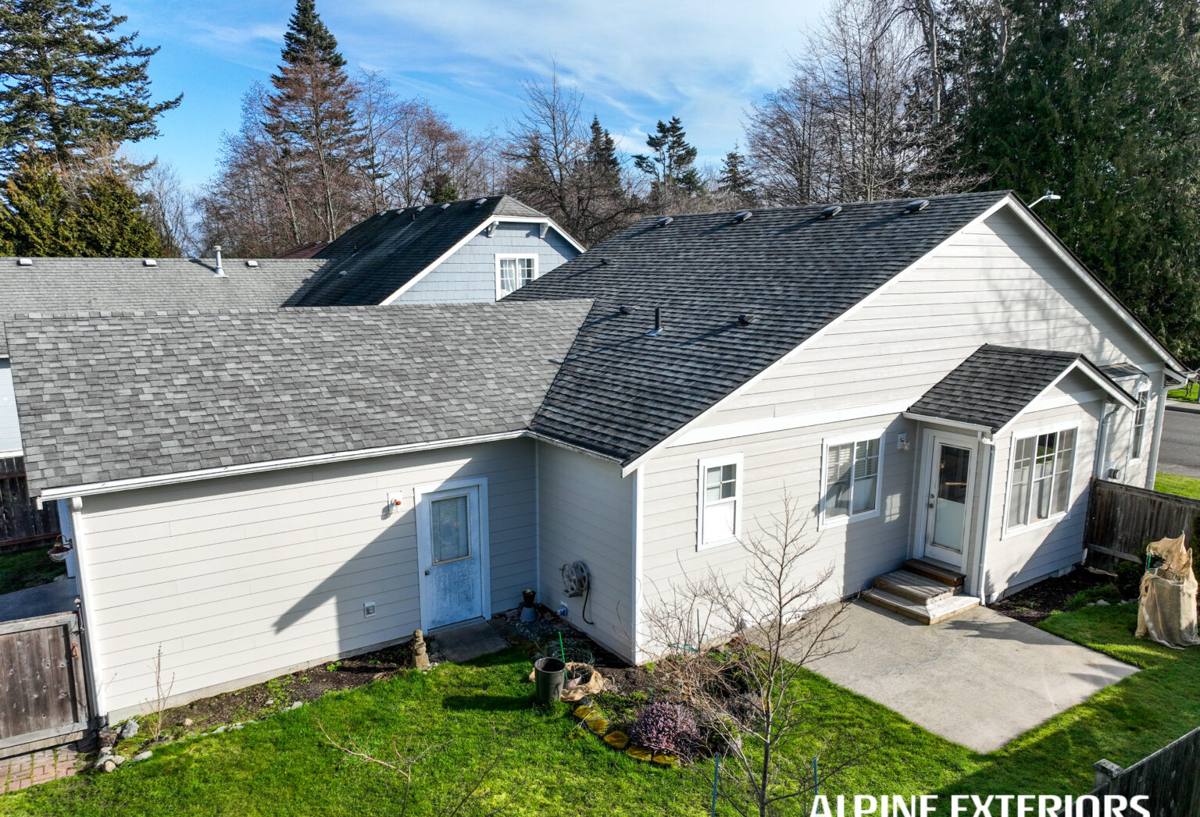
We work on homes throughout Pinellas County, and Belleair Beach roofs consistently show wear patterns you don't see as often on the mainland: accelerated granule loss on shingles from salt-laden wind, corrosion on exposed fasteners and flashing, and wind damage that starts at roof edges and corners first because that's where uplift pressure concentrates hardest on a low, open barrier island lot.
What Actually Damages Roofs in This Part of Pinellas County
Storm damage isn't always a dramatic hole in the roof. On barrier island homes like the ones in Belleair Beach, it's often a combination of smaller issues that add up over a single storm season.
Hurricane-Force and Straight-Line Wind
Wind doesn't need to reach hurricane strength to lift shingles or tiles. Sustained gusts from a strong summer storm or a passing tropical system can loosen fasteners, crack tile lugs, or peel back shingle tabs at ridges, hips, and eaves — the areas where wind pressure is highest. Once a shingle or tile is lifted even slightly, it's compromised even if it looks fine from the driveway.
Wind-Driven Rain
A roof doesn't have to lose material to leak. Wind-driven rain can be forced sideways and upward under shingle tabs, through aging flashing, or around vent boots and skylight seals. On an exposed barrier island lot, wind-driven rain events happen more often and hit harder than they do a mile or two inland, which is why flashing and underlayment condition matter as much as the roof covering itself.
Hail and Impact Debris
Florida hail is usually smaller than what the Midwest sees, but it still bruises shingles, cracks tile, and dents metal roofing and flashing. Wind-blown debris — branches, loose gutters, patio furniture — adds impact damage that's easy to miss without a close inspection.
UV and Salt Air, Year-Round
This is the damage that isn't a single storm event. Pinellas County gets intense, near-constant UV exposure, and Belleair Beach adds salt air on top of it. Together they dry out and embrittle roofing materials faster than in most parts of the state, so a roof that's already aged from sun and salt has less give left when a storm hits it. A roof at year 15 on the mainland can behave like a roof at year 20 out here.
What a Correct Storm Damage Roof Repair Actually Involves
A repair that only addresses the obvious damage often leaves the underlying cause untouched. We treat storm repair as a diagnostic process first, repair second.
1. Full Roof Assessment, Not Just a Spot Check
We look at the whole roof system — field material, flashing at every penetration and wall intersection, ridge and hip lines, fascia, and the attic side where accessible. Storm damage on a barrier island roof is frequently worse at the edges and penetrations than in the field, so those areas get particular attention.
2. Emergency Mitigation When Needed
If a roof has active leaking or exposed decking after a storm, the first priority is stopping further water intrusion — tarping, sealing exposed areas, and securing loose material until a permanent repair can be scheduled. Delaying this step is what turns a roof repair into an interior drywall, insulation, and mold problem.
3. Matching Repair to Existing Material
Whenever possible, repairs use materials that match the existing roof in profile, color, and fastening method, so the repaired section performs — and looks — consistent with the rest of the roof. When an exact match isn't available, we're upfront about it before work starts.
4. Flashing and Underlayment Get Checked, Not Assumed
Most repeat leaks after a "repair" trace back to flashing or underlayment that was never actually inspected the first time. On a wind-exposed barrier island home, we treat flashing condition as part of the repair scope, not an afterthought.
5. Documentation for Insurance
We photograph and document storm damage as we find it, which supports an insurance claim whether it's filed before or after the repair. We're not a public adjuster and don't negotiate your claim for you, but clear documentation makes the claims process smoother on your end.
How Our Process Works, Start to Finish
- Contact and scheduling — you describe what happened or what you noticed (a leak, missing shingles, visible damage), and we schedule an inspection.
- On-site inspection — we assess the full roof, not just the reported problem area, and document findings with photos.
- Written scope and estimate — you get a clear explanation of what's damaged, what needs repair, and what it will cost, in plain language.
- Emergency mitigation, if needed — tarping or sealing to prevent further damage while repair materials are sourced.
- Repair work — completed by a crew that follows current Florida Building Code requirements for wind resistance and water management, not just the minimum to make it look fixed.
- Final walkthrough — we go over the completed repair with you before calling the job done.
Repair vs. Replacement: How We Help You Decide
Not every storm-damaged roof needs to be replaced, and not every roof can be safely repaired. The right call depends on the extent of damage, the roof's age, and its remaining material condition.
| Factor | Favors Repair | Favors Replacement |
|---|---|---|
| Damage extent | Isolated to one section or slope | Spread across multiple slopes or the whole roof |
| Roof age | Under roughly 10-12 years | Near or past its material's expected service life |
| Underlying decking | Sound, no rot or soft spots | Water-damaged or deteriorated decking found |
| Material availability | Matching material still available | Discontinued profile or color, no clean match |
| Storm exposure history | First significant damage event | Repeat damage across multiple storm seasons |
We'll tell you honestly which category your roof falls into. If a repair is the right call, we won't push a full replacement — and if the damage is extensive enough that repeated repairs would cost more than replacement over time, we'll explain why.
Why Salt Air and UV Change the Math on Barrier Island Roofs
A roof repair in Belleair Beach isn't just about matching what's there — it's about accounting for how much faster this environment ages roofing materials. Salt air accelerates corrosion on exposed metal fasteners, drip edge, and flashing. Constant UV exposure dries out asphalt shingles and breaks down sealants faster than the same materials would degrade a few miles inland. That means a repair here should assume the surrounding, undamaged roof area has less life left in it than its age alone would suggest, and we factor that into our recommendations rather than treating every roof the same regardless of location.
What to Check After a Storm, Before You Call Anyone
A quick, careful look from the ground and from inside the attic (if it's safe and accessible) can help you describe the problem accurately and avoid unnecessary delay.
- Missing, cracked, or curled shingles, or displaced roof tiles
- Granules collecting in gutters or at downspout outlets
- Visible dents or creases in metal roofing or flashing
- Water stains on interior ceilings or upper walls
- Daylight visible through the roof deck from inside the attic
- Loose or lifted flashing around chimneys, vents, or skylights
- Debris, branches, or displaced materials caught on the roof
- Sagging areas anywhere on the roof plane
Do not walk on a roof after storm damage to inspect it yourself — wet, damaged roofing is unstable and a fall risk. Photos from the ground and a look inside the attic are enough to start the conversation with a roofer.
Why Hiring a Crew That Already Works Belleair Beach Matters
Roofing crews that mostly work inland jobs don't always account for how differently barrier island homes age and take storm damage. A crew familiar with Belleair Beach and the surrounding Pinellas County coast understands the wind exposure patterns specific to open, low-lying lots, recognizes salt-accelerated wear versus normal wear, and works within the permitting and code requirements that apply to homes in this flood and wind zone. That familiarity shows up in fewer surprises during the repair and a scope that actually matches what the roof needs, rather than a generic patch job.
It also matters for response time. Storm damage that's left exposed — even for a day or two — can turn a roof repair into a much larger interior repair. A crew that already services this area can get to a damaged roof faster than one dispatching from further inland.
Get a Free, No-Pressure Estimate
If your Belleair Beach roof has visible storm damage, a suspected leak, or you just want a professional opinion after a rough storm season, we're glad to take a look. The estimate is free, there's no pressure to move forward, and you'll get a straight answer about what's actually going on with your roof.