 Seminole Siding
 Building Decks in Belleair: A Different Climate Problem Than Most Contractors Admit
Belleair sits close enough to the Gulf that salt air, humidity, and intense sun are part of daily life for any outdoor structure. A deck built here isn't just a weekend project that needs to look good for a season or two — it's an investment that has to survive Pinellas County's combination of hurricane-force wind events, near-constant UV exposure, and wind-driven rain that finds its way into every gap and seam a builder leaves behind. Homes in and around Belleair also tend to sit on smaller, well-established lots with mature landscaping and tighter setbacks, which changes how a deck should be laid out and anchored compared to a newer subdivision inland.
We're based in Seminole and work throughout this part of Pinellas County, so we're not guessing at what holds up here. We know which fastener finishes actually resist salt corrosion after a few Gulf seasons, which framing details keep water from pooling under a deck board, and how local wind load requirements affect footing size and ledger attachment. This page is about what a custom deck in Belleair specifically needs to get right — not generic deck-building advice.
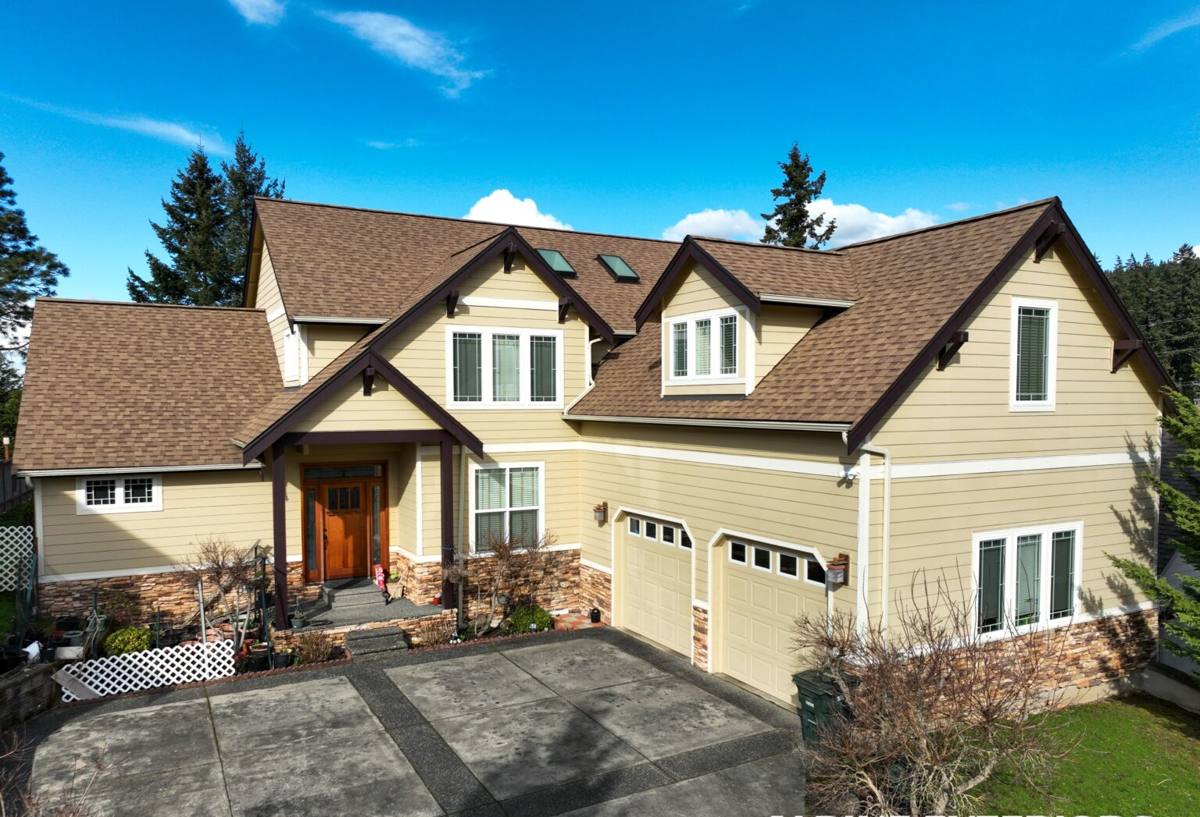
What Belleair's Climate Actually Does to a Deck
Salt Air and Corrosion
Even a few miles from the water, salt-laden air accelerates corrosion on anything metal. Standard hardware that might last a decade in a landlocked state can start showing rust and pitting in a fraction of that time here. This matters most where it's invisible — the joist hangers, structural screws, and post connectors buried under the decking that homeowners never see until something fails.
UV Exposure, Year-Round
Florida sun doesn't take an off-season. Composite decking, wood, and even the sealants and finishes used on a deck are under near-constant UV load. Cheaper composite products and unprotected wood both show it the same way: fading, surface chalking, and in wood's case, checking and splitting as the material dries out and rehydrates over and over.
Wind-Driven Rain
Rain in this region rarely falls straight down. Wind-driven rain gets pushed sideways and upward into ledger connections, stair stringers, and any horizontal surface that isn't properly flashed or sloped. A deck that isn't detailed for this will trap moisture at the house connection — one of the most common places we find rot and hidden damage on older decks in this area.
Hurricane-Force Wind Loads
Pinellas County's building code reflects the real risk of hurricane-force winds, and that code applies to attached and freestanding decks alike. Footing depth, post-to-beam connections, and ledger fastening all have to be sized for uplift and lateral loads, not just the static weight of people and furniture.
What a Correctly Built Deck Looks Like Here
A deck that's actually built for Belleair's conditions has a few things in common, regardless of style or decking material chosen:
- Stainless steel or heavy hot-dip galvanized fasteners and hardware throughout — not just at visible connections
- Proper ledger flashing where the deck meets the house, sloped and layered to shed water away from the structure
- Footings sized and set to local frost-free depth and wind-load requirements, not a generic minimum
- Joist spacing and blocking that accounts for the decking material's real-world span rating in heat and humidity
- Gaps and drainage details that let the structure dry out after wind-driven rain instead of trapping water
- Railing and baluster attachment rated for the lateral loads required by code, not just what looks sturdy
None of this is exotic. It's standard good practice applied consistently, which is exactly where a lot of decks built by out-of-area or lower-bid crews fall short — they cut corners on hardware or flashing details that aren't visible at the final walkthrough but show up as problems in two or three years.
Choosing Decking Material for a Belleair Property
There's no single "best" decking material — the right choice depends on how much maintenance a homeowner wants to take on, budget, and how the deck will be used.
| Material | Maintenance | UV & Salt Performance | Typical Lifespan |
|---|---|---|---|
| Pressure-treated wood | Regular sealing/staining needed | Fades and checks without upkeep; fasteners must be corrosion-rated | 10-15 years with maintenance |
| Composite decking | Low — occasional washing | Quality composites hold color well; cheaper lines can fade or chalk faster in constant sun | 20-25+ years |
| PVC decking | Very low | Strong UV and moisture resistance, fully synthetic so no rot risk | 25+ years |
| Tropical hardwoods | Periodic oiling to maintain color | Naturally dense and rot-resistant, but still needs maintenance in salt air | 20-25 years |
We'll walk through these trade-offs honestly during an estimate rather than push whatever has the best margin. A homeowner who wants a low-maintenance deck they can enjoy without a seasonal to-do list is usually better served by composite or PVC. A homeowner who values a natural wood look and doesn't mind the upkeep may prefer treated lumber or hardwood — as long as the hardware and framing underneath are still built to the same corrosion and moisture standards.
Framing and Structure: Where the Real Difference Shows Up
The decking surface is what everyone sees, but the framing underneath is what determines whether the deck is still solid in ten years. In Belleair's climate, we pay particular attention to:
Ledger Attachment
Where a deck attaches to the house is the single most common failure point we see on older or poorly built decks. Correct flashing, spacing off the wall for drainage, and corrosion-rated bolts are non-negotiable details, not upgrades.
Post and Footing Design
Freestanding or attached, every post needs a footing sized for the actual soil conditions and wind exposure of the site, not a one-size-fits-all minimum. This is especially relevant on coastal-adjacent lots where soil composition can vary within a single property.
Fastener Selection
We use stainless steel or heavy-duty galvanized structural screws and connectors throughout, including in locations that will never be visible once the decking is installed. This is one of the areas where cutting a corner is cheap for a contractor and expensive for the homeowner down the road.
Permitting and Code Compliance in Pinellas County
Most custom decks require a permit, and inspections will check footing depth, ledger attachment, and railing height and spacing among other things. Skipping permitting to save time is a common shortcut that can create real problems later — from failed home inspections during a future sale to insurance complications after a storm. We handle the permitting process as part of the job so homeowners aren't left navigating county requirements on their own.
Our Process for a Belleair Deck Project
- On-site assessment — we look at the lot, existing structure (if any), drainage, and sun/wind exposure specific to the property
- Design and material selection — honest conversation about decking material, layout, and railing options based on how the space will be used
- Permitting — we prepare and submit what Pinellas County requires before work begins
- Demolition and site prep — removal of any existing deck and preparation of footings
- Framing — corrosion-rated hardware, properly flashed ledger connections, and footings built to code
- Decking, railing, and finish work — installation of the chosen surface material and railing system
- Final walkthrough and inspection — county inspection sign-off and a walkthrough with the homeowner
Why Local Experience in This Area Matters
A deck built by a crew that mainly works inland, drier climates will sometimes look fine on installation day and still fail early — not because the crew is careless, but because they're not thinking about salt-air corrosion or wind-driven rain intrusion by habit. We're a Seminole-based crew that works Belleair and the surrounding Pinellas County communities regularly, so these details aren't an afterthought — they're standard on every job. We also know the local permitting process and inspectors, which keeps projects moving instead of stalling on paperwork.
Maintenance After Installation
Even the best-built deck benefits from some basic upkeep in this climate:
- Rinse salt residue off railings and hardware periodically, especially after storms
- Check fastener heads and connectors annually for early signs of corrosion
- Clean composite or PVC decking per manufacturer guidance to prevent surface buildup
- Re-seal or re-stain wood decking on the schedule recommended for the specific product used
- Inspect ledger flashing and framing after major storms
We'll go over the specific maintenance needs for whatever material is chosen at the end of the project, so there are no surprises later.
If you're considering a custom deck for a Belleair property, we're happy to come take a look and talk through options with no pressure and no obligation. Fill out the form below to schedule a free estimate.