 Seminole Siding
 Building a Deck That Can Actually Take Madeira Beach Weather
Madeira Beach sits right on the Gulf, which is exactly why so many homes here want a deck in the first place — and exactly why building one correctly matters more than it does inland. A deck in this part of Pinellas County isn't just outdoor furniture with a roofline over it. It's a structure that has to stand up to hurricane-force winds, salt-laden air rolling off the water, intense year-round UV, and the kind of wind-driven rain that finds its way into any gap you leave for it. A deck built to a generic national spec will show its age here in a fraction of the time it would somewhere with milder weather.
This page covers what we look at specifically for custom deck projects in Madeira Beach — the material choices, the structural details, the permitting realities, and the maintenance habits that keep a deck solid for years instead of needing rework after its first serious storm season.
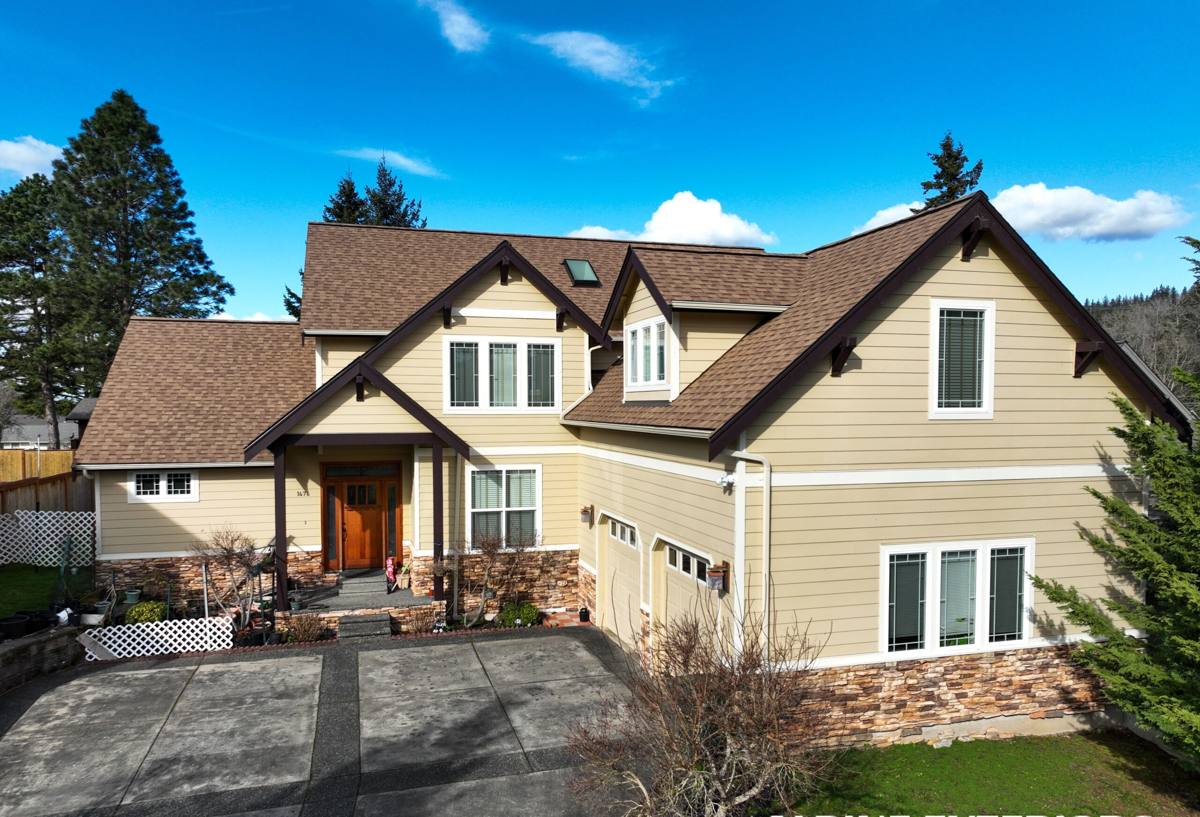
What Madeira Beach Properties Need From a Deck
Proximity to Salt Air
Even a few blocks back from the water, salt air is in the mix here. Salt accelerates corrosion on anything metal — fasteners, brackets, railing hardware — and it dries out and degrades wood and some coatings faster than plain humidity would. Decks in Madeira Beach need hardware and finishes chosen specifically for coastal exposure, not just "outdoor rated" hardware pulled off a general shelf.
Wind and Storm Exposure
This stretch of the Gulf coast sees real hurricane risk, and a deck is a structure that catches wind — especially if it has railings, a pergola, or is attached to the house at any height. Framing, post footings, and the connection between deck and house all need to be built to hold up under wind loads, not just support foot traffic on a calm day.
Sun and Heat
Florida sun is intense and constant. UV breaks down wood fibers, fades and chalks composite surfaces over time, and can make some decking materials genuinely uncomfortable to walk on barefoot by midafternoon. Material choice and finish matter as much for sun exposure as they do for moisture.
Choosing the Right Decking Material for This Climate
There's no single "best" decking material — there's a best material for your budget, how you'll use the deck, and how much upkeep you're willing to do. Here's how the common options compare for a Gulf-front climate like Madeira Beach's:
| Material | Coastal Durability | Maintenance | Heat Underfoot | Typical Cost |
|---|---|---|---|---|
| Pressure-Treated Wood | Good if sealed regularly | High — re-seal every 1-2 years | Moderate | Lowest |
| Tropical Hardwood (e.g. ipe) | Excellent, naturally dense | Moderate — periodic oiling | Moderate | Highest |
| Capped Composite | Very good | Low — occasional washing | Can run hot in direct sun | Mid to high |
| PVC Decking | Excellent, won't absorb moisture | Lowest | Can run hot in direct sun | Mid to high |
Wood is the most affordable option and can look great, but it's also the most maintenance-dependent — skip a resealing cycle or two in this sun and salt air, and you'll see it in cracking, graying, and fastener staining. Capped composite and PVC decking cost more up front but trade that for far less upkeep, which is why they've become popular for second homes and rental properties near the beach where nobody wants to be out there sanding and sealing every spring. We'll walk through the real trade-offs for your specific project rather than pushing one material as a default — the right call depends on how you use the space and how hands-on you want to be with maintenance.
What's Underneath Matters More Than What's On Top
Fasteners and Hardware
This is the detail that separates a deck that lasts from one that doesn't in a salt-air environment. Standard galvanized fasteners can corrode faster than expected this close to the Gulf. We use stainless steel or coastal-rated hardware for structural connections, railing posts, and anything that's difficult to inspect or replace later — the cost difference is small relative to the deck, but the difference in longevity is significant.
Ledger Attachment and Framing
Where a deck attaches to the house is one of the most common failure points nationwide, and it's an even bigger deal in a hurricane-prone area. Proper flashing to keep water out from behind the ledger board, correctly sized and spaced structural connectors, and framing rated for the actual wind loads this area sees are non-negotiable — not upgrades, just how it should be done.
Post Footings
Footings need to be sized and set to local frost-free, load-bearing depth requirements, accounting for Florida's sandy and often high-water-table soil conditions. A footing that's undersized or poured shallow may hold up fine day to day but is the first thing to fail under real wind uplift or storm-driven ground saturation.
Permits and Wind-Load Code in Pinellas County
Custom deck construction in Pinellas County — including Madeira Beach — generally requires a building permit, and coastal jurisdictions here often have wind-load and connection requirements that go beyond a basic inland build. That includes engineering on railing systems, ledger connections, and footings in many cases, especially for elevated decks or larger structures.
Skipping permitting might save time on paper, but it creates real problems: unpermitted structures can complicate a home sale, may not be covered properly by insurance if something fails in a storm, and can require costly retrofits if code enforcement flags them later. Part of doing this job right is handling the permitting and inspection process correctly the first time, not treating it as optional paperwork.
How We Approach a Madeira Beach Deck Project
Every property is different, but our process for a custom deck generally follows the same sequence:
- Site visit and assessment — we look at your home's structure, the ground conditions, sun exposure, and how you actually want to use the space.
- Design and material selection — we talk through layout, decking material, railing style, and any features like built-in seating or multi-level design, with honest input on durability and maintenance for each choice.
- Permitting and engineering — we handle the permit application and any required engineering documentation with Pinellas County so the structure is approved before we build, not after.
- Construction — framing, structural connections, decking, and railings installed to the specifications discussed, with attention to fastener choice and flashing details that matter most in this climate.
- Final walkthrough — we go over the finished deck with you, including what maintenance it needs and on what schedule.
We don't treat permitting or engineering as a step to shortcut. A deck that passes inspection and is documented correctly is one less headache if you ever sell the home or file an insurance claim after a storm.
Maintaining Your Deck in a Coastal Climate
Even the right materials and construction still need some ongoing attention in this environment. A simple annual routine goes a long way toward protecting the investment:
- Rinse salt residue and debris off the deck surface and between boards periodically, especially after storms
- Inspect fasteners, brackets, and railing connections yearly for corrosion or loosening
- Reseal wood decking on the manufacturer's recommended schedule — don't let it lapse in this sun
- Check for gaps or separation where the deck meets the house, a common spot for water intrusion
- Clear leaves and debris from under the deck to avoid trapped moisture
- Look over post footings and support posts after major storm events
None of this is complicated, but it's the difference between a deck that looks and performs well for a couple of decades and one that needs premature repairs because small issues went unnoticed.
Why Local Experience Matters for This Job
A deck built by a crew that hasn't worked much near the Gulf coast tends to use standard hardware, standard footing depths, and standard assumptions about how the structure will age — and those assumptions don't hold up in Madeira Beach's salt air and storm exposure. Working regularly in this area means we already know what corrodes too fast here, what the county's inspectors expect to see, and what actually survives a real hurricane season versus what just looks good on installation day.
That local familiarity also speeds up the parts homeowners tend to dread — permitting, scheduling around weather windows, and knowing which material and hardware combinations hold up so we're not guessing on your project.
Get a Straight Answer About Your Deck Project
If you're considering a new custom deck, or replacing one that didn't hold up the way it should have, we're happy to take a look and give you an honest assessment — no pressure, no upsell on materials you don't need. Use the form below to request a free estimate, and we'll talk through what makes sense for your home, your budget, and Madeira Beach's climate.