 Seminole Siding
 St. Pete Beach Puts Windows Through a Lot
A barrier island home takes a different kind of beating than a house even a few miles inland. Salt-laden air corrodes metal hardware and pits untreated finishes. Direct sun bakes vinyl and breaks down seals faster than manufacturers' warranties often assume. Wind-driven rain finds its way through gaps that would never leak on a calmer street. And when a named storm tracks through the Gulf, the wind loads on a beachfront or near-beachfront window are simply higher than what standard, off-the-shelf products are built to handle.
Stock windows sized for a typical subdivision often don't fit the openings in St. Pete Beach's older cottages, mid-century block homes, and raised coastal builds — and even when they physically fit, they're rarely rated for what this exposure demands. Custom windows solve both problems at once: they're built to the actual opening and specified to the actual coastal loads, rather than forcing a compromise on either.
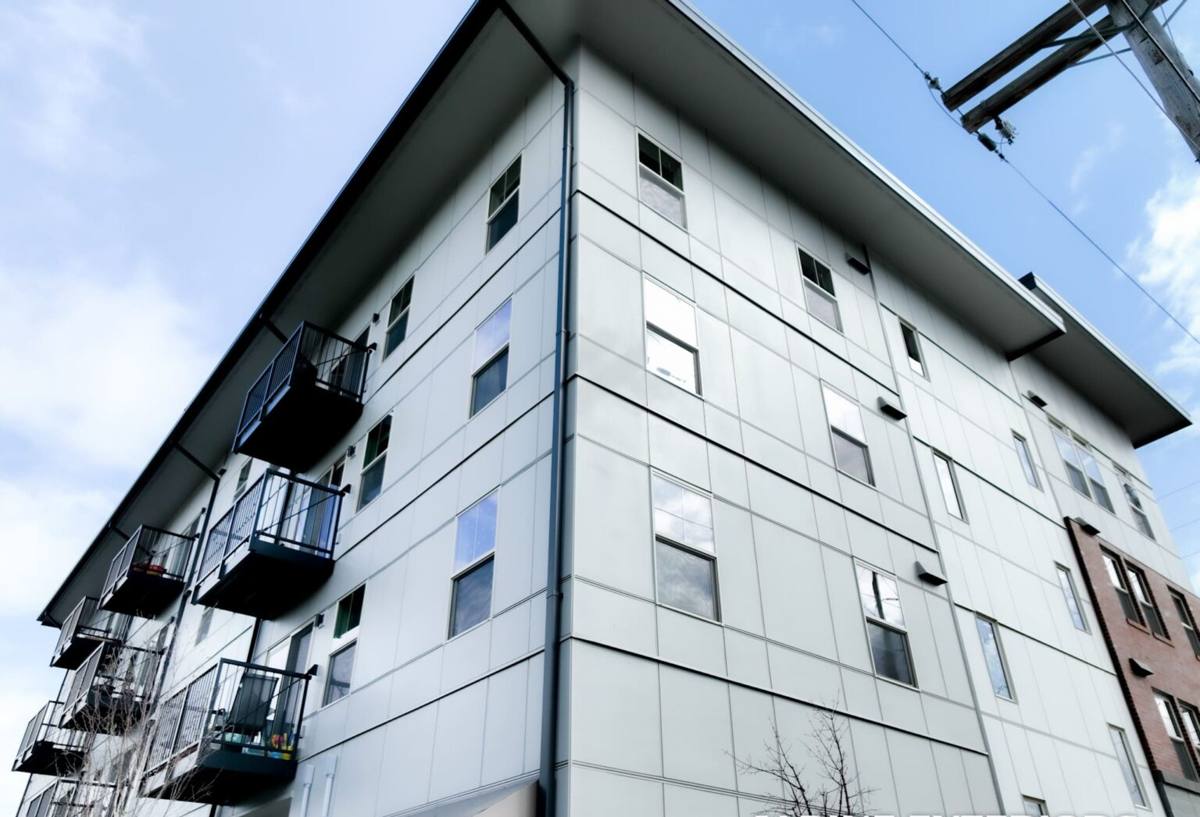
What "Custom" Actually Means for This Job
Custom doesn't just mean a nonstandard size, though that matters — a lot of Pinellas County beach homes have openings that don't match modern standard dimensions. It also means matching the product to the specific wall, the specific exposure, and the specific look of the house:
- Exact field measurements for openings that have shifted, settled, or were never perfectly square to begin with
- Glass packages selected for orientation — a west-facing living room window dealing with afternoon sun needs a different glass spec than a shaded side window
- Frame color and profile matched to the home's existing trim and architectural style
- Configuration choices (fixed, single-hung, casement, sliding) based on how the room is actually used, not just what was there before
A correct custom job starts with an honest look at the house, not a catalog page.
Impact-Rated Glass and Florida Building Code
Most of coastal Pinellas County, including St. Pete Beach, falls within a wind-borne debris region under the Florida Building Code. In practical terms, that means new and replacement windows in this area generally need to either carry impact-rated glazing or be paired with code-compliant hurricane shutters or panels. Impact windows use a laminated glass interlayer that stays intact under wind pressure and debris impact, so the opening stays protected even if the outer glass surface cracks.
This isn't a minor spec detail. It affects:
- Permitting — non-compliant products can hold up or fail inspection
- Insurance — impact-rated products are frequently tied to windstorm mitigation credits
- Resale — buyers and inspectors in this market know what to look for
We spec every custom window against current Florida product approvals for the load and exposure of the specific opening — not a generic "hurricane window" label. A window rated for a low-exposure inland lot isn't automatically adequate for a home closer to open water, and the reverse is also true — there's no reason to over-spec every opening on a house.
Impact Glass vs. Shutters: An Honest Comparison
Both approaches can satisfy code. The trade-off is convenience versus upfront cost. Impact windows protect the opening automatically, all the time, without anyone having to deploy anything before a storm. Shutters or panels cost less per opening initially but require storage, physical installation before every storm, and ongoing hardware maintenance. Many St. Pete Beach homeowners choose impact glass specifically because they aren't always on-site to close up before a storm arrives.
Choosing a Frame Material for Coastal Exposure
Frame material matters as much as the glass here. Salt air is hard on hardware and finishes, and UV exposure is constant and intense nearly year-round in this part of Florida. We walk every homeowner through the real trade-offs rather than pushing one material as universally "best."
| Frame Material | Salt Air / Corrosion Resistance | Maintenance | Typical Fit |
|---|---|---|---|
| Vinyl | Good — won't corrode, but can discolor or become brittle under sustained UV | Low | Budget-conscious replacements, most residential openings |
| Aluminum | Fair to good with proper coatings; untreated or lower-grade finishes pit and chalk faster near open water | Moderate — finish needs monitoring | Larger openings, sliders, contemporary styles |
| Fiberglass / Composite | Very good — dimensionally stable, resists corrosion and UV degradation well | Low to moderate | Higher-exposure locations, long-term ownership |
We won't sell a frame material we know underperforms in this exposure just because it's cheaper — we'd rather explain the trade-off and let the homeowner decide with full information.
How the Installation Process Works
1. On-Site Assessment and Measurement
We evaluate the existing openings, framing condition, and exposure of each elevation of the house before recommending anything. This is also when we flag any wood rot, moisture damage, or structural issues around the opening that need to be addressed before a new window goes in — installing over a compromised opening just hides a bigger problem.
2. Product Selection and Permitting
Once we know the wind load and exposure requirements for each opening, we spec matching products and handle the permit application. Replacement windows in this area typically require a permit — skipping that step can create real problems at resale or with insurance later.
3. Removal and Opening Prep
Old windows come out carefully to avoid damaging surrounding stucco, siding, or trim. We check the rough opening for square and address any water intrusion evidence before the new unit goes in.
4. Installation, Flashing, and Sealing
This is where coastal installations live or die. Proper flashing and sealant selection — rated for sustained UV and salt exposure, not just general-purpose caulk — is what actually keeps wind-driven rain out during a storm. A correctly rated window with a poorly sealed installation will still leak.
5. Final Inspection and Walkthrough
We confirm proper operation, check seals, and walk the homeowner through anything specific to that product's care.
Signs Your Current Windows Are Already Costing You
Homeowners often live with failing windows longer than they should because the decline is gradual. A few signs it's worth getting a professional look:
- Fogging or a permanent haze between panes (a sign the seal has failed and insulating gas has escaped)
- Windows that are difficult to open, close, or lock, especially after humid weather
- Visible corrosion or pitting on aluminum frames or hardware
- Drafts or a noticeable temperature difference near the window even when closed
- Water staining, soft spots, or discoloration on the wall or sill below the window
- Noticeably higher street or storm noise coming through compared to other rooms
- Rising cooling costs without an obvious cause elsewhere in the home
Any one of these on its own isn't necessarily urgent. Several together, especially on the storm-facing side of the house, usually means the window is past the point where repair makes sense.
What Affects the Cost of a Custom Window Job
We don't quote sight-unseen, but the main variables that move price on a St. Pete Beach job are consistent enough to lay out honestly:
| Factor | Why It Matters |
|---|---|
| Opening size and shape | Nonstandard or oversized openings require more custom fabrication |
| Glass package | Impact-rated laminated glass costs more than standard tempered glass but reduces or eliminates shutter needs |
| Frame material | Vinyl, aluminum, and fiberglass sit at different price points, as shown above |
| Number of openings | Whole-house projects typically bring a better per-unit cost than single replacements |
| Structural or moisture repair | Rot or framing damage found during removal adds scope beyond the window itself |
| Permitting and inspection requirements | Vary somewhat by jurisdiction and project scope |
We'd rather walk through these factors on-site and give a real number than throw out a low estimate that changes once we open up the wall.
Why a Local St. Pete Beach Crew Matters
A crew that regularly works this specific stretch of Pinellas County coastline already knows the wind exposure categories for different parts of the island, has a working relationship with local permitting, and has seen firsthand how different products actually hold up here after a few storm seasons — not just how they perform in a lab test. That experience shows up in smaller decisions throughout the job: which sealant actually holds up under this UV load, how to detail flashing around stucco versus siding, and which frame finishes are worth the extra cost given the exposure of a particular elevation.
It also matters for accountability. A local crew is still around next hurricane season if a question comes up — not a name from a one-time out-of-town promotion.
Get a Straight Answer on Your Windows
If you're dealing with drafty, foggy, or aging windows on your St. Pete Beach property, or you're simply ready to upgrade to impact-rated custom windows built for this coastline, we're happy to take a look and give you an honest assessment. Use the form below to request a free, no-pressure estimate — we'll walk the property, explain your options plainly, and let you decide from there.