 Seminole Siding
 Building Decks for Belleair Bluffs' Coastal Conditions
Belleair Bluffs sits on one of the higher points along the Pinellas County coastline, with a number of homes enjoying views out toward Clearwater Harbor and the Intracoastal Waterway. That elevation and water proximity are part of what makes the area desirable, but they also mean an outdoor deck here works harder than one built inland. Salt-laden air moves off the water and settles into every exposed surface, sun exposure runs close to year-round, and any deck has to be built to survive hurricane-force wind events that are simply part of living on the Florida Gulf Coast.
A deck that isn't specifically built with these conditions in mind will show it early — loose fasteners, cupped boards, corroded hardware, and connections that were never rated for real wind uplift. We build decks for homes throughout Seminole and the surrounding Pinellas County communities, including Belleair Bluffs, and the difference between a deck that lasts and one that doesn't almost always comes down to what's happening below the decking boards, not what's on top of them.
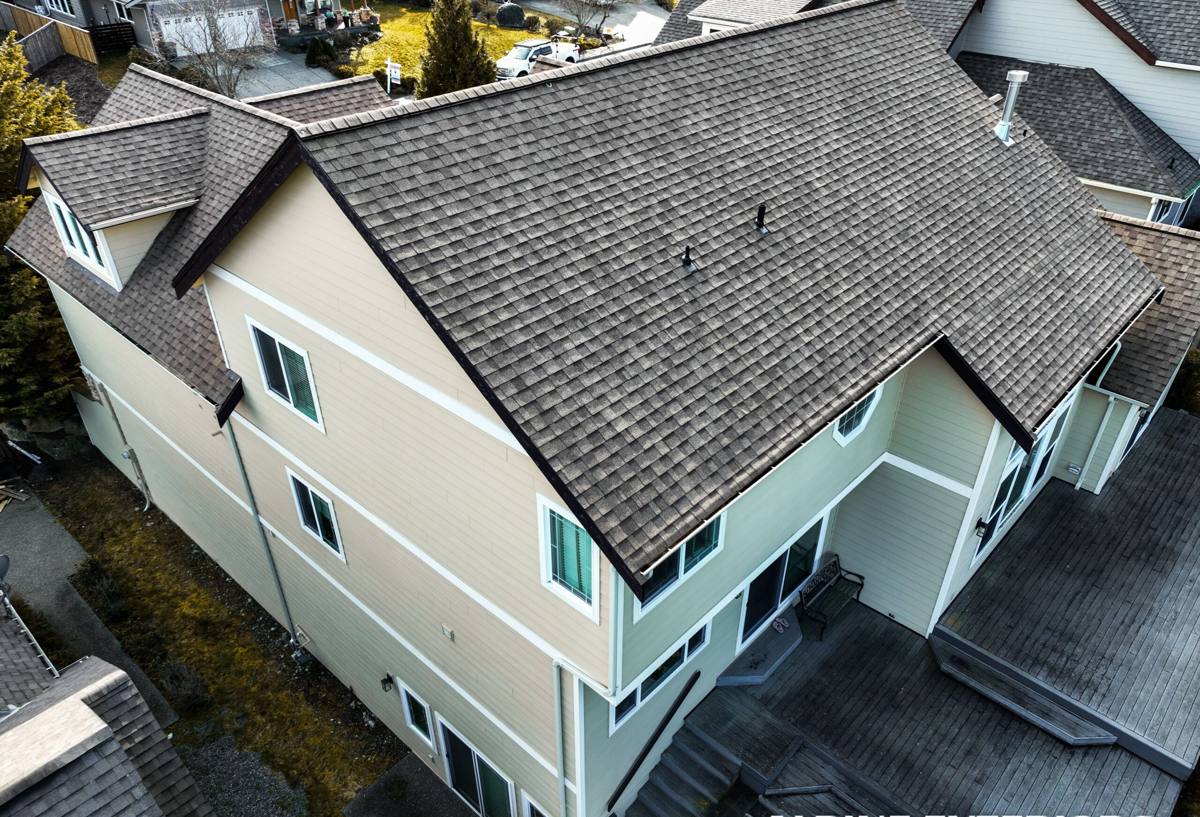
What Local Homes Actually Need From a Deck
A correctly built deck in this part of Florida isn't just a nice-looking wood or composite surface. It's a structural system that has to perform under conditions most inland decks never see:
Framing and Footings
Footings need to be sized and set to actual soil conditions, not guessed at. Coastal Pinellas County soil can vary block to block, and a footing that's undersized or set too shallow is one of the first things that fails when a deck is subjected to sustained wind loading or a heavy, saturated soil event after a tropical storm. Framing lumber should be pressure-treated for ground contact where it's near grade, and joist spacing should account for the additional dead load of denser materials like PVC or composite decking, which weigh more than standard wood boards.
Fasteners and Connectors
This is where a lot of decks quietly fail years before the surface shows any wear. Standard zinc-coated deck screws and joist hangers corrode fast in salt air, especially within a mile or two of open water — which describes much of Belleair Bluffs. We use stainless steel or coated fasteners rated for coastal exposure, along with hurricane ties, structural screws, and proper joist hangers at every connection point, not just the ones that are easy to reach.
Ledger Attachment
Where a deck attaches to the house, that ledger board connection carries a large share of the structure's load. It has to be properly flashed to keep water from working its way behind the siding or into the rim joist, and it has to be bolted — not just nailed — into solid framing. A poorly flashed ledger is one of the most common sources of hidden rot we find when we're called out to repair or rebuild an older deck.
Choosing the Right Decking Material
There's no single "best" decking material for every home — it depends on budget, how much upkeep the owner wants to take on, and how close the home sits to open water. Here's how the common options compare for Belleair Bluffs' climate specifically:
| Material | Salt Air Performance | Maintenance | Typical Lifespan Here |
|---|---|---|---|
| Pressure-treated wood | Fair — needs consistent sealing to resist moisture and salt exposure | Annual cleaning and resealing recommended | 10–15 years with upkeep |
| Composite decking | Good — resists rot and doesn't absorb salt spray like wood | Periodic washing; no staining or sealing | 20–25+ years |
| Capped PVC decking | Very good — fully sealed surface, minimal moisture absorption | Occasional washing | 25+ years |
| Tropical hardwoods (e.g. ipe) | Good if maintained — dense and naturally rot-resistant | Regular oiling to maintain color and prevent surface checking | 20–25 years with upkeep |
We'll walk through these trade-offs honestly during your estimate. Wood costs less up front but asks more of the homeowner every year. Composite and PVC cost more initially but hold up with far less attention — which matters when salt air is already working against every exposed surface.
Permitting and Wind Load Requirements
Deck construction in Pinellas County is governed by the Florida Building Code, and coastal jurisdictions like Belleair Bluffs enforce wind load and connection requirements that are stricter than what you'd find in many other parts of the country. Depending on the size, height, and attachment method, a new deck typically requires a permit and an inspection process that checks footing depth, framing connections, and railing height and spacing before it's signed off.
We handle the permitting process as part of our build — pulling the permit, scheduling inspections, and building to the load and connection specs the local code requires. Skipping this step, or hiring a crew that treats it as optional, is one of the fastest ways to end up with a deck that causes problems at resale or, worse, fails during a storm.
Designing for the Bluff Terrain and Water Views
Because of the elevation changes common in Belleair Bluffs relative to much of flat coastal Pinellas County, deck design here often has to account for grade changes between the house and yard that you don't see as often on flatter lots. That can mean multi-level decks, additional footing depth on sloped sections, or stair and railing runs that need extra planning to meet code and still feel natural to walk.
Homes with a water view also tend to want railing systems that don't block the sightline — cable rail or glass panel systems are popular choices for this reason, though they come with their own maintenance and hardware considerations in a salt air environment. We'll talk through what makes sense for your specific lot and view rather than defaulting to whatever's easiest to install.
Our Deck Building Process
We keep the process straightforward and communicate clearly at each stage:
- On-site assessment — we look at grade, drainage, sun and wind exposure, and how the deck will tie into the house.
- Design and material selection — we go over layout, decking material, and railing options based on your budget and how much maintenance you want to take on.
- Permitting — we prepare and submit the permit application and schedule required inspections with the local building department.
- Footings and framing — footings are set to code depth, and the structural frame is built with corrosion-resistant hardware throughout.
- Decking, railing, and finish work — surface material and railings are installed, and all fasteners and connections are checked before final walkthrough.
- Final inspection and walkthrough — we confirm the deck passes inspection and walk you through care recommendations specific to your chosen material.
Keeping a Deck in Good Shape Near the Water
Even a well-built deck needs some routine attention in this climate. Salt residue, UV exposure, and humidity don't stop working just because the construction is solid. A simple seasonal routine goes a long way:
- Rinse the deck surface periodically to remove salt residue, especially after windy stretches off the water
- Check railing connections and hardware once or twice a year for corrosion or loosening
- Reseal wood decking on a regular schedule — don't wait until it looks gray and dry
- Keep gutters and downspouts clear so runoff isn't pooling near footings or the ledger board
- Trim back vegetation that traps moisture against framing or decking edges
- After any named storm, do a quick visual check of railings, stairs, and ledger flashing
What Affects the Cost of a Deck Project
Every project is different, but the main cost drivers tend to be the same across most Belleair Bluffs jobs:
| Factor | Why It Matters |
|---|---|
| Deck size and footprint | More square footage means more footings, framing, and decking material |
| Height and grade change | Multi-level decks or sloped lots require more framing, stairs, and structural planning |
| Decking material | Wood costs less upfront; composite and PVC cost more but reduce long-term maintenance |
| Railing style | Standard wood or aluminum rail is more affordable than cable or glass systems |
| Attachment method | Ledger-attached decks vs. freestanding structures affect framing and flashing work |
We give straightforward, itemized pricing during the estimate so you can see exactly where the budget is going — no vague lump-sum numbers that hide what you're actually paying for.
Why Local Experience Matters for This Job
A deck builder who mostly works inland doesn't run into salt-air corrosion, coastal wind load requirements, or Pinellas County's inspection process on a regular basis. That gap shows up later, usually in the form of corroded hardware or a ledger connection that was never properly flashed. We work throughout Seminole and the surrounding Belleair Bluffs area regularly, which means we already know what this coastal environment does to a deck over time — and we build accordingly from the first footing to the last board.
If you're planning a new deck or need an honest look at an aging one, we're glad to come out, walk the site with you, and put together a clear, no-pressure estimate using the form below.