 Seminole Siding
 Why Decks in Belleair Bluffs Take a Beating
Belleair Bluffs sits close enough to the Intracoastal and the Gulf that salt-laden air is a daily fact of life, not an occasional nuisance. That air works into metal fasteners, hinges, and hardware year-round, and it doesn't take a hurricane to do damage — it's the slow, constant exposure that adds up. Add in Pinellas County's intense year-round UV, which breaks down wood fibers and dries out sealants faster than in most parts of the country, and you have a climate that ages an outdoor structure quickly if it isn't built and maintained with that reality in mind.
Then there's the water. Wind-driven rain during summer storms and the occasional tropical system doesn't just fall straight down — it gets pushed sideways into joints, under flashing, and into any gap that wasn't sealed correctly the first time. A deck that would hold up fine in a drier, calmer climate can develop rot, fastener corrosion, and structural movement here within a few years if the original build or a prior repair cut corners.
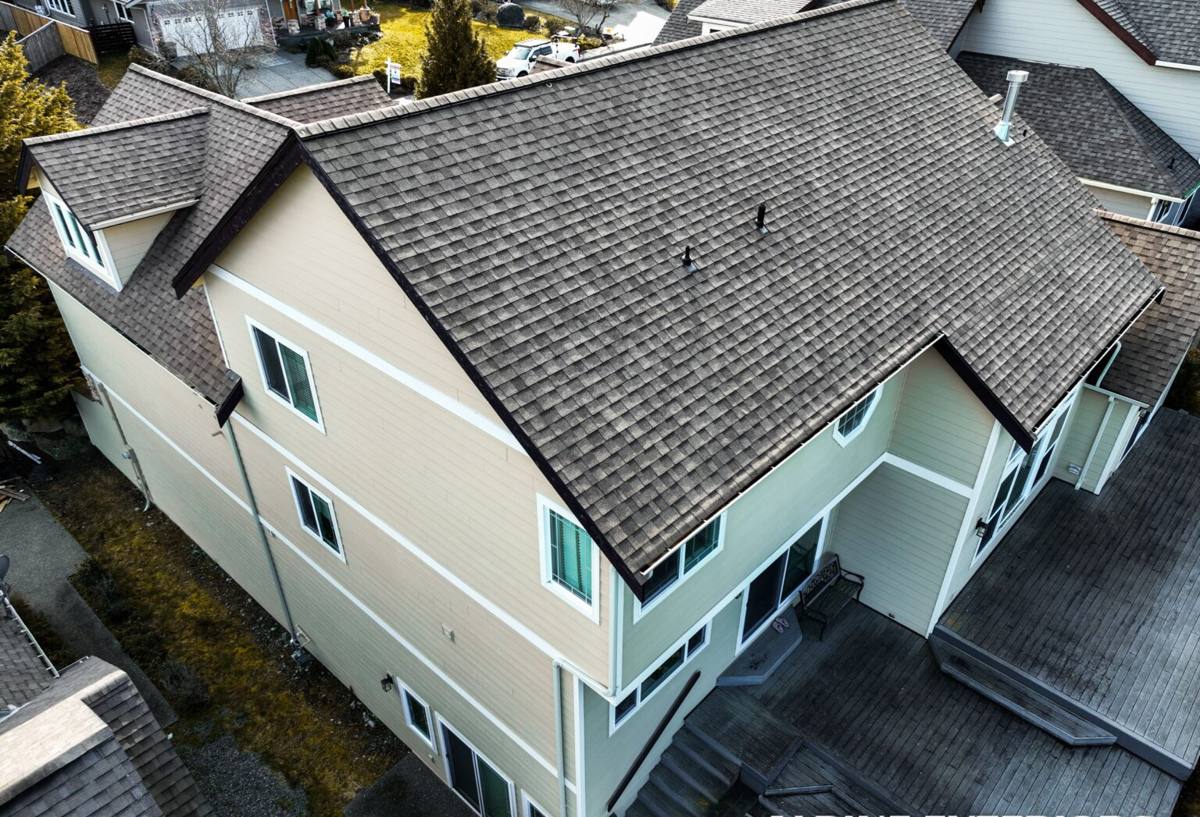
Signs Your Deck Needs Repair, Not Just a Pressure Wash
Homeowners often call us after noticing something cosmetic — gray, weathered boards or a little bounce underfoot — but the real question is always what's happening underneath. A deck can look tired on the surface and be structurally sound, or look fine and be quietly failing where you can't see it. Some signs point clearly to repair work rather than routine cleaning:
- Soft or spongy spots when you walk across the deck, especially near the house or stair landings
- Visible rust streaking from fasteners, joist hangers, or bolts
- Gaps opening up between the ledger board and the house siding or foundation
- Railings or posts that wiggle more than they used to
- Boards that are cupping, splitting, or pulling away from fasteners
- A musty smell or visible mold/mildew underneath the deck in shaded, poorly ventilated areas
- Stairs that feel less solid than the rest of the structure
None of these automatically mean a full rebuild. Most of the time, targeted repair addresses the actual problem areas while leaving sound material in place.
What a Proper Deck Repair Actually Involves
It Starts Below the Decking
The boards you walk on are the last thing we look at, not the first. The framing underneath — ledger board, joists, beams, and posts — is what actually carries the load and resists wind uplift. A repair that only replaces surface boards without checking the framing underneath is a cosmetic fix on a structural problem, and in this climate that problem doesn't go away on its own.
The Ledger Connection Matters Most
The ledger board — where the deck attaches to the house — is the single most common failure point on decks in coastal Florida. Wind-driven rain gets behind poorly flashed ledger boards and rots the connection from the inside out, which is dangerous because it's invisible until the deck is already compromised. Any repair we do checks flashing and ledger attachment first, because everything else is secondary to that connection holding.
Fasteners and Hardware
Standard steel fasteners corrode fast in salt air. A repair done with mismatched or undersized hardware might look finished but will fail again within a couple of seasons. We use fasteners and connectors rated for coastal exposure — typically stainless steel or hot-dip galvanized — matched to the metal type of the joist hangers and brackets already in place, since dissimilar metals in contact can accelerate corrosion through galvanic reaction.
Wood vs. Composite: What It Means for a Repair
What your deck is built from changes both what fails and how we fix it.
| Material | Common Failure Points in This Climate | Repair Approach |
|---|---|---|
| Pressure-treated wood | Rot at ground contact, fastener corrosion, UV graying and splitting | Replace rotted framing/boards with treated lumber rated for ground or moisture contact; re-seal exposed cuts |
| Composite decking | Fading, surface flaking on older boards, substructure rot underneath even when boards look fine | Replace failed boards; always inspect and repair the wood or metal framing underneath, since composite decking doesn't protect the frame |
| Cedar or hardwood | Surface checking, UV dulling, loosened fasteners as wood moves seasonally | Sand and reseal where sound; replace individual boards rather than resurfacing the whole deck when possible |
Composite decking is often marketed as maintenance-free, and the surface holds up well — but the framing underneath is still almost always wood, and that's where inspection needs to happen. We won't tell a homeowner a composite deck is fine just because the boards look new if the joists underneath are showing rot.
What Drives the Cost of a Deck Repair
Every deck repair is different, so we avoid quoting a number before we've actually looked at the structure. But a few factors consistently move the price:
| Factor | Why It Matters |
|---|---|
| Extent of framing damage | Surface board replacement is straightforward; rotted joists or ledger issues require more labor and structural work |
| Deck height and access | Second-story or hard-to-access decks take longer to work under and around safely |
| Material match | Matching existing decking (especially discontinued composite colors or aged wood) can add time versus a uniform replacement |
| Railing and stair condition | Code-compliant railing and stair repairs often require more precision than flat decking |
| Permit requirements | Structural repairs involving framing typically require permitting, which adds time but protects the homeowner |
Our Repair Process
- On-site inspection. We check the ledger, framing, posts, and fasteners from underneath, not just the visible decking.
- Written scope. You get a clear explanation of what's failing, what needs replacement, and what's still sound — no upselling a full rebuild when a repair will do.
- Permitting where required. Structural work on the framing or ledger connection is pulled through the appropriate local permit process, not skipped to save time.
- Repair work. Damaged framing, decking, railings, or stairs are replaced with coastal-rated materials and hardware matched to what's already there.
- Final check. We walk the deck with you before calling it done, so you know exactly what was fixed and what to watch going forward.
Permits and Pinellas County Code
Deck repairs that touch structural elements — framing, ledger attachment, railings, or stairs — generally fall under Pinellas County's permitting requirements, and Belleair Bluffs enforces its own local code review on top of that. Skipping this step is one of the more common shortcuts we see from unlicensed handyman-style repairs, and it creates real problems later: unpermitted structural work can complicate a home sale, cause issues with insurance claims after storm damage, and in some cases has to be torn out and redone to pass inspection. We handle the permit process as part of the job rather than treating it as optional paperwork.
Why Hiring a Crew That Already Works Belleair Bluffs Matters
Belleair Bluffs is a small, tightly built community, and that shapes the work in practical ways — tight side-yard access on many lots, mature landscaping close to structures, and a local permitting office that expects submissions done a specific way. A crew that regularly works this area already knows the inspection expectations, has a working relationship with local suppliers for coastal-rated materials, and isn't learning the neighborhood's quirks on your job. That familiarity translates into fewer surprises, fewer permit delays, and a repair that's built for what this specific stretch of the Gulf coast actually throws at it — not a generic fix borrowed from a drier climate.
Keeping Your Deck Sound After the Repair
A repair done right buys you years, but this climate keeps working on the structure whether you maintain it or not. A little attention keeps small issues from becoming structural ones again:
- Rinse salt residue off decking and railings periodically, especially after storms
- Keep gutters and downspouts clear so runoff isn't dumping onto or under the deck
- Reseal or restain wood decking on a regular schedule rather than waiting until it looks bad
- Check the ledger flashing and any visible fasteners for rust or gaps once or twice a year
- Trim back landscaping that keeps the underside of the deck shaded and damp
- Address soft spots or loose railings as soon as you notice them, not at the next inspection
If your deck in Belleair Bluffs is showing any of the warning signs above, or you just want an honest read on its condition before storm season, we're happy to take a look. Fill out the form below for a free, no-pressure estimate.