 Seminole Siding
 Largo's Climate Is Hard on Siding — Here's Why
Largo sits inland from the Gulf but not far enough to escape what Pinellas County throws at exterior building materials. Homes here deal with a combination most siding products were never engineered for: sustained UV exposure nearly every day of the year, wind-driven rain that gets forced sideways into wall assemblies during summer storms, salt-laden air drifting in off the coast, and the real possibility of hurricane-force wind loads during the June-to-November storm season. Any one of those factors will shorten the life of a mediocre siding product. Together, they expose weak installation work fast — sometimes within a single storm season, sometimes over a few years as moisture finds its way behind panels that were never properly flashed or gapped.
That's the lens we use for every Largo project: not "what siding looks good on day one," but "what siding and what installation method will still be doing its job in year fifteen." Fiber cement, installed correctly, is built for exactly this kind of exposure. Installed poorly — with the wrong fasteners, tight joints, or skipped flashing — even the best fiber cement product will fail early, and it'll fail in ways that are expensive to fix because the damage happens behind the panel, not on it.
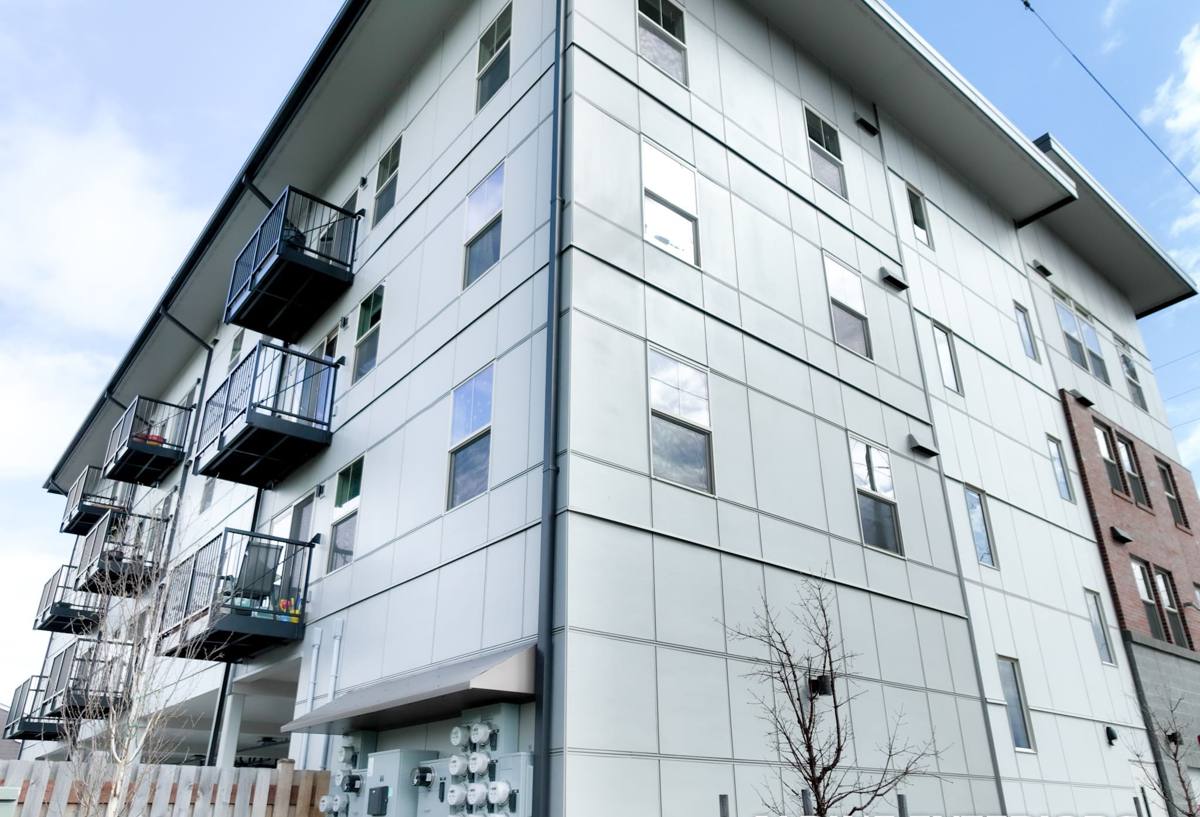
What Largo Homes Actually Need From Their Siding
Wind Resistance That Matches the Code, Not the Minimum
Pinellas County's wind-load requirements exist because storms here are not hypothetical. Siding has to stay fastened through sustained gusts, not just survive a light breeze. That means correct fastener type, correct fastener spacing, and correct fastener placement — not "close enough." A panel that's face-nailed instead of properly blind-nailed, or fastened into the field of the board instead of the nailing zone, can look identical to a correctly installed one right up until a storm tests it.
A Moisture Path That Actually Works
Wind-driven rain in Largo doesn't fall straight down — it gets pushed under laps, into joints, and around penetrations like light fixtures and hose bibs. Correct fiber cement installation assumes water will get behind the cladding occasionally and gives it a way back out: a drainage plane, proper flashing at every horizontal transition, and weep paths that aren't caulked shut. Skip any of that and moisture gets trapped against the wall sheathing, which is where rot and mold problems start — invisible until the siding comes off.
UV and Color Stability
Florida sun is relentless on exterior finishes. Paint that isn't factory-cured for UV exposure chalks, fades unevenly, and needs recoating on a cycle most homeowners find frustrating. This is one of the biggest reasons we standardized on James Hardie's factory-applied ColorPlus finish rather than field-painted alternatives — more on that below.
Salt Air Tolerance
Largo isn't beachfront, but it's close enough to the Gulf that airborne salt reaches homes here, especially with onshore winds. Salt accelerates corrosion of metal components — fasteners, flashing, trim accessories — and degrades some coatings faster than inland climates would. Material choice and hardware choice both matter more here than they would a hundred miles inland.
Why We Install Only James Hardie Fiber Cement
We don't install vinyl, LP SmartSide, primed wood, or other fiber cement brands. That's a deliberate standard, not a sales preference. Vinyl softens, warps, and fades under intense UV and doesn't hold up structurally in high wind events the way fiber cement does. Engineered wood products are wood at their core — they still depend on their outer coating staying intact to keep moisture out, and Florida's combination of humidity and driving rain is a tough environment for that seal to hold over decades. Other fiber cement brands aren't necessarily bad products, but we've built our entire process — flashing details, fastening specs, warranty paperwork, supplier relationships — around one system, and that specialization is where the quality control comes from.
James Hardie earns that standard through material composition (non-combustible fiber cement that doesn't feed a fire the way wood-based products can), a factory finish that's engineered for UV and humidity rather than mixed and applied on-site, and product lines built specifically for different climate zones.
HardiePlank HZ5: Built for This Exact Climate
James Hardie engineers its siding in HZ (HardieZone) formulations matched to regional climate demands. Pinellas County falls in the HZ5 zone, which is formulated for humid, high-moisture, storm-prone regions like the Gulf Coast — different from the HZ10 formulation used in drier, freeze-prone parts of the country. That distinction matters: it's the difference between a product engineered for Largo's actual weather and one engineered for a climate that doesn't apply here. We install HZ5-rated Hardie products specifically because that's what the region calls for, not because it's the only option in the catalog.
ColorPlus Factory Finish vs. Field Painting
One of the most practical advantages of James Hardie siding in a climate like ours is the ColorPlus finish option — color that's baked on in a controlled factory environment rather than brushed or sprayed on-site. Field-applied paint is at the mercy of weather conditions during application and starts UV-aging the day it goes up. A factory finish is cured under conditions no job site can replicate, which is a big part of why it holds color longer under constant Florida sun and comes with a separate finish warranty on top of the product warranty.
| Factor | Field-Painted Siding | ColorPlus Factory Finish |
|---|---|---|
| UV resistance | Depends on paint quality and application conditions | Engineered and cured for UV exposure |
| Application consistency | Varies with weather, crew, humidity on install day | Applied under controlled factory conditions |
| Repaint cycle | Typically needed sooner in intense sun climates | Extended color life reduces early repainting |
| Warranty coverage | Usually limited to the paint product itself | Backed by a dedicated finish warranty |
What Correct Installation Looks Like, Step by Step
The product is only half the equation. We've seen quality Hardie siding fail early because of installation shortcuts that aren't visible once the job is finished. Our process is built to avoid that.
1. Tear-Off and Substrate Inspection
We remove the existing siding and inspect the sheathing underneath for rot, soft spots, or prior water damage — issues that are common once old siding, flashing, or caulking has failed quietly for years. Any compromised sheathing gets replaced before new siding goes up. Covering a damaged wall with new siding just hides the problem.
2. Weather-Resistive Barrier and Flashing
A code-compliant water-resistive barrier goes on first, followed by correctly lapped and sealed flashing at every window, door, and penetration. This is the layer that actually keeps wind-driven rain out of the wall assembly — the siding itself is the second line of defense, not the first.
3. Fastening to Spec
We follow James Hardie's fastener type, spacing, and placement requirements for our wind zone — not generic "close enough" nailing. This is what keeps panels attached through sustained gusts instead of working loose over a few storm seasons.
4. Joints, Gaps, and Clearances
Panels need expansion gaps at joints and proper clearance from grade, roof lines, and other transitions. Tight-butted joints and buried bottom edges are two of the most common shortcuts that lead to trapped moisture and early failure — and they're invisible to a homeowner until something goes wrong.
5. Trim, Caulking, and Final Detailing
Corners, trim boards, and penetrations get sealed with the right materials in the right places — enough to block wind-driven rain without sealing off the drainage path the wall assembly needs.
6. Final Walkthrough
We walk the finished job with the homeowner, confirm the work matches what was scoped, and go over basic care so the siding performs the way it's designed to for the long haul.
Cost Factors for a Largo Fiber Cement Project
Every home is different, so we don't publish flat pricing — but the variables that actually move the number are consistent. Knowing them ahead of time makes for a more useful estimate conversation.
| Factor | Why It Affects Cost |
|---|---|
| Substrate condition | Rot or water damage found during tear-off requires sheathing repair before new siding goes on |
| Home size and wall complexity | More corners, dormers, and penetrations mean more flashing and trim detail work |
| Siding profile and accessories | Plank width, trim style, and accent choices affect material cost |
| Existing siding removal | Full tear-off vs. simpler removal changes labor scope |
| Access and site conditions | Landscaping, fencing, and home height can affect labor time |
Why a Crew That Already Works Largo Matters
Installation quality is only part of the picture — permitting and inspection are the other part, and both are handled at the county and jurisdiction level. A crew that regularly pulls permits and schedules inspections in Pinellas County already knows the wind-load documentation and inspection expectations local officials look for, which keeps a project from stalling on paperwork. It also means we've already worked through the practical realities of Largo's older housing stock — the range of substrate conditions, trim details, and prior repair work we tend to find once tear-off starts — rather than encountering them for the first time on your project.
Signs Your Current Siding Is Already Behind
- Soft or spongy spots when you press on siding near the bottom edge or around windows
- Visible warping, buckling, or panels pulling away from the wall
- Peeling or chalking paint that's worn unevenly across sun-exposed walls
- Staining or discoloration that keeps returning after cleaning
- Gaps at trim or corner boards that weren't there when the siding was new
- A musty smell near exterior walls, which can indicate trapped moisture
None of these mean a home is in crisis, but they're worth having looked at before the next storm season rather than after.
Let's Take a Look at Your Home
If you're in Largo and weighing a siding replacement, we're happy to come take a look, walk you through what we find, and put together a straightforward estimate — no pressure, no obligation. Use the form below to get started.