 Seminole Siding
 Siding Built for Indian Rocks Beach's Coastal Exposure
Indian Rocks Beach sits right on the barrier island, which means homes here take on a combination of stresses that inland Pinellas County properties simply don't face to the same degree. Salt-laden air moves off the Gulf and settles on every exterior surface, wind-driven rain gets forced sideways into wall assemblies during storms, and UV exposure runs close to year-round. Siding that isn't engineered for this environment tends to show it early — fading, cupping, soft spots, or fastener corrosion within a handful of years instead of decades.
We install James Hardie fiber cement siding exclusively, and on a barrier island community like Indian Rocks Beach, that's not a marketing preference — it's a practical one. Fiber cement doesn't rot, doesn't feed insects, and doesn't absorb moisture the way wood-based or wood-adjacent products can. For a home that's a few blocks (or a few hundred feet) from saltwater, that durability profile matters more than it does almost anywhere else in the Seminole service area.
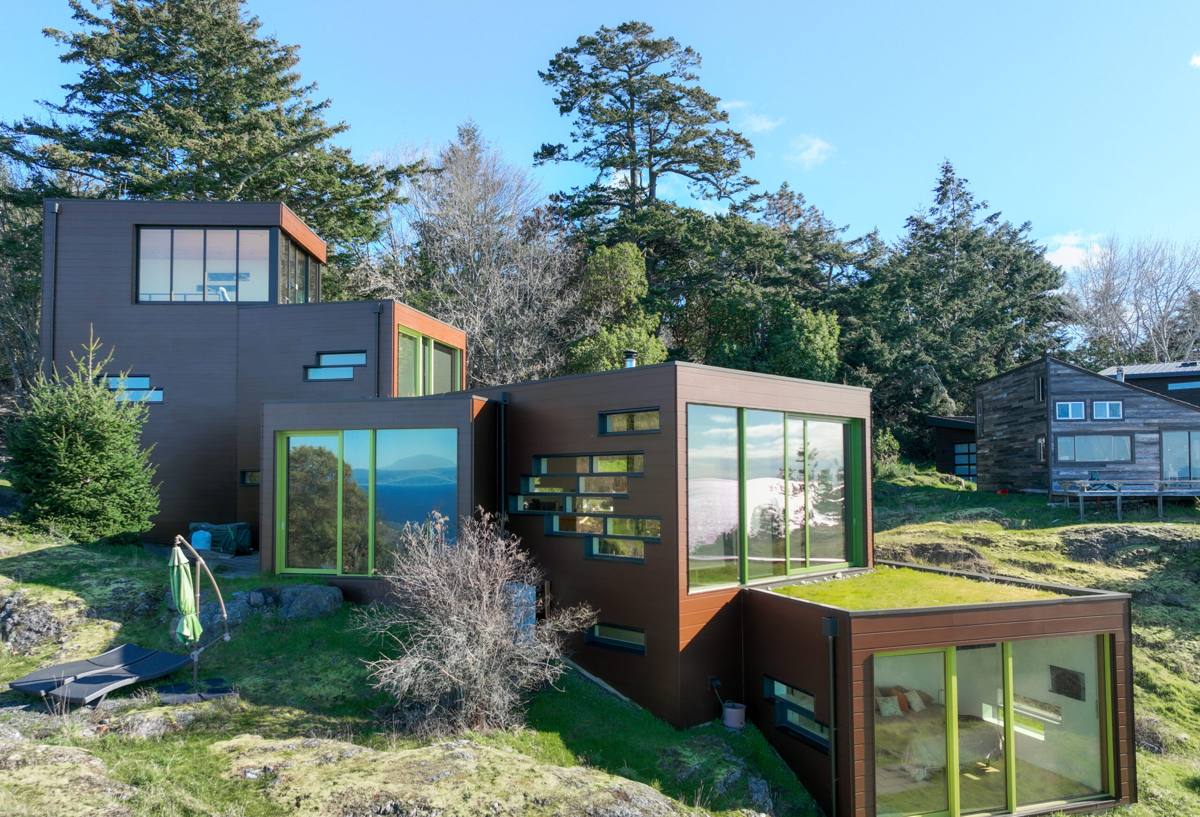
What Salt Air and Wind-Driven Rain Actually Do to Siding
It helps to understand the specific mechanisms at work, because they explain why some siding choices hold up on the beach and others don't.
Salt Air
Airborne salt is corrosive and hygroscopic — it pulls moisture out of the air and holds it against whatever surface it lands on. On metal fasteners and trim, that accelerates rust. On painted wood or composite products, it accelerates coating breakdown, which exposes the substrate underneath to the next round of moisture. Regular rinsing helps, but it can't fully offset constant salt exposure this close to the water.
Wind-Driven Rain
During Gulf storms and seasonal squalls, rain doesn't just fall on a home — it's pushed horizontally into the wall. That means water finds every gap in flashing, every underdriven fastener, and every place where siding wasn't lapped correctly. The siding material itself matters less here than the installation behind it, which is why water-resistive barrier detailing and flashing are as important as the product on top of them.
UV Exposure
Florida's sun is intense for most of the year, not just in summer. UV breaks down pigments and surface coatings over time, which is why factory-applied, baked-on finishes hold color longer than field-applied paint that has to be maintained and eventually stripped and redone.
Why We Only Install James Hardie on Indian Rocks Beach Homes
We don't install vinyl siding, LP SmartSide, Cemplank, Allura, or primed wood products, and on a coastal job like this the reasoning is even more direct than on an inland Seminole property.
- Vinyl can warp and become brittle under sustained heat and UV, and it doesn't offer the same wind resistance profile as fiber cement when properly fastened.
- LP SmartSide and similar wood-strand products rely on an engineered wood core. Any breach in the coating — from a fastener hole, an impact, or a poorly sealed cut edge — gives moisture a path into a wood-based substrate, and moisture plus a coastal environment is a bad combination over time.
- Cemplank and Allura are also fiber cement, and they're not bad materials in the abstract. Our standard comes down to the specific product system: HZ5 formulation engineered for high-moisture climates, factory ColorPlus finish, and a warranty structure we've chosen to stand behind on every job we do.
- Primed spruce or cedar requires ongoing paint maintenance to keep water out, and that maintenance schedule gets more demanding, not less, the closer a home sits to saltwater.
James Hardie's HZ5 product line is specifically formulated for high-moisture, high-humidity climates like Pinellas County's Gulf coast. It's non-combustible, resists moisture intrusion at the panel level, and holds its factory finish through UV and salt exposure far longer than field-applied paint systems. That's the combination we want standing between an Indian Rocks Beach home and the weather it sees every year.
What Correct Installation Looks Like on a Barrier Island Home
Fiber cement siding is only as good as the installation behind it. On a coastal property, a few details matter more than they would on an inland home, and skipping them is where most premature siding failures actually originate — not in the material itself.
Water Management Comes First
Before a single panel goes up, the water-resistive barrier and flashing details around windows, doors, and penetrations need to be correct. On a home exposed to wind-driven rain, this layer is doing most of the real work of keeping the wall assembly dry — the siding is the first line of defense, not the only one.
Fastening Matters More Near Saltwater
Corrosion-resistant fasteners, correctly spaced and driven to Hardie's specification (not overdriven, not underdriven), are non-negotiable this close to the Gulf. Overdriven nails crack the fiber cement's outer edge and create a moisture entry point; underdriven fasteners leave panels loose enough to rattle and eventually work free in high wind.
Proper Clearances
Hardie specifies minimum clearances between siding and grade, roofing, decks, and other surfaces. These gaps exist to keep splash-back moisture and standing water away from the bottom edge of the panels — an easy detail to shortcut and a common source of long-term problems when it's skipped.
Caulking and Joint Treatment
Butt joints, trim intersections, and penetrations need to be treated with the right sealant and detailing so they move with the building without opening a gap for water. Done correctly, this is invisible. Done poorly, it's usually the first place a homeowner notices a problem.
Our Process for an Indian Rocks Beach Project
We approach every siding job here the same methodical way, adjusted for the specific exposure of the property.
- On-site assessment: We look at the home's orientation to the Gulf, existing wall condition, current siding material, and any signs of moisture intrusion before quoting anything.
- Tear-off and substrate inspection: Once old siding comes off, we check the sheathing and framing underneath for hidden water damage — common on older coastal homes — and address it before new siding goes up.
- Water-resistive barrier and flashing: This gets installed and detailed around every penetration before siding starts, not treated as an afterthought.
- James Hardie panel installation: Installed to manufacturer spec — correct fastener type, spacing, clearances, and lap details for the HZ5 product line.
- Trim, caulking, and finish detail: Joints and trim intersections are sealed and finished to shed water, not just to look clean.
- Final walkthrough: We go over the completed job with the homeowner and cover basic maintenance expectations for a coastal property.
Why Local Experience on This Stretch of Coast Matters
A siding crew that's worked Indian Rocks Beach and the rest of the Pinellas County coastline knows the difference between a standard installation and a coastal one. That's not a small distinction. It shows up in which fasteners get specified, how flashing is detailed at wall penetrations, and how clearances are handled around decks, pools, and low-lying grade — all things that are more forgiving on an inland job and much less forgiving a few blocks from the Gulf.
It also shows up in realistic expectations. We can tell a homeowner honestly what to expect from a properly installed Hardie system on a barrier island property, because we've seen how that system performs in this exact environment over time — not just in a manufacturer's general climate rating.
Cost Factors for Fiber Cement Siding in a Coastal Setting
Every home is different, and we don't quote sight-unseen, but the factors that move a project's scope and cost are consistent. This isn't pricing — it's what to expect will factor into your estimate.
| Factor | Why It Matters Here |
|---|---|
| Existing wall condition | Older coastal homes sometimes have hidden moisture damage under existing siding that needs repair before new siding goes on |
| Home size and complexity | Corners, penetrations, and trim details all add labor, especially around windows, decks, and roof intersections |
| Siding profile chosen | Lap width and style (traditional lap, board-and-batten, shingle-style) affect material needs and install time |
| Access and site conditions | Barrier island lots, tight setbacks, and elevated homes can affect staging and labor time |
| Flashing and water barrier scope | Homes with more window and door penetrations require more detailed flashing work |
Maintaining Hardie Siding on Indian Rocks Beach
One of the practical advantages of a factory-finished fiber cement system is how little upkeep it needs compared to painted wood or vinyl, but "little" isn't "none," especially this close to saltwater.
- Rinse the exterior periodically with a garden hose to remove salt residue and airborne debris — no pressure washer directly against panels or joints
- Inspect caulked joints and trim intersections annually for cracking or separation, particularly after storm season
- Keep landscaping and irrigation from spraying directly onto siding on a regular basis
- Address any impact damage or fastener issues promptly rather than letting a small breach sit through a rainy season
- Watch drainage at grade level to make sure water isn't pooling against the base of the siding
If you own a home in Indian Rocks Beach and you're weighing siding options for a property that takes on real coastal exposure, we're glad to take a look and talk through what a correctly installed James Hardie system would involve for your specific home. Reach out for a free, no-pressure estimate using the form below.