 Seminole Siding
 Roofing on a Barrier Island Isn't the Same Job as Roofing Inland
Indian Shores sits on a narrow strip of land between the Intracoastal Waterway and the Gulf of Mexico, and that location changes what a roof has to survive. Homes here take on salt-laden air almost every day of the year, direct Gulf-driven wind with no tree line or inland terrain to slow it down, and the kind of wind-driven rain that finds any gap a roofing crew left behind. A shingle roof installed the way it would be twenty miles inland in Pinellas County often doesn't hold up the same way a few blocks from the water.
We're based in Seminole and work Indian Shores regularly, along with the rest of the beach communities and the mainland neighborhoods around us. This page is specifically about asphalt shingle roofing for Indian Shores homes — what the climate demands, what a correct installation actually involves, and how we approach the job so it holds up.
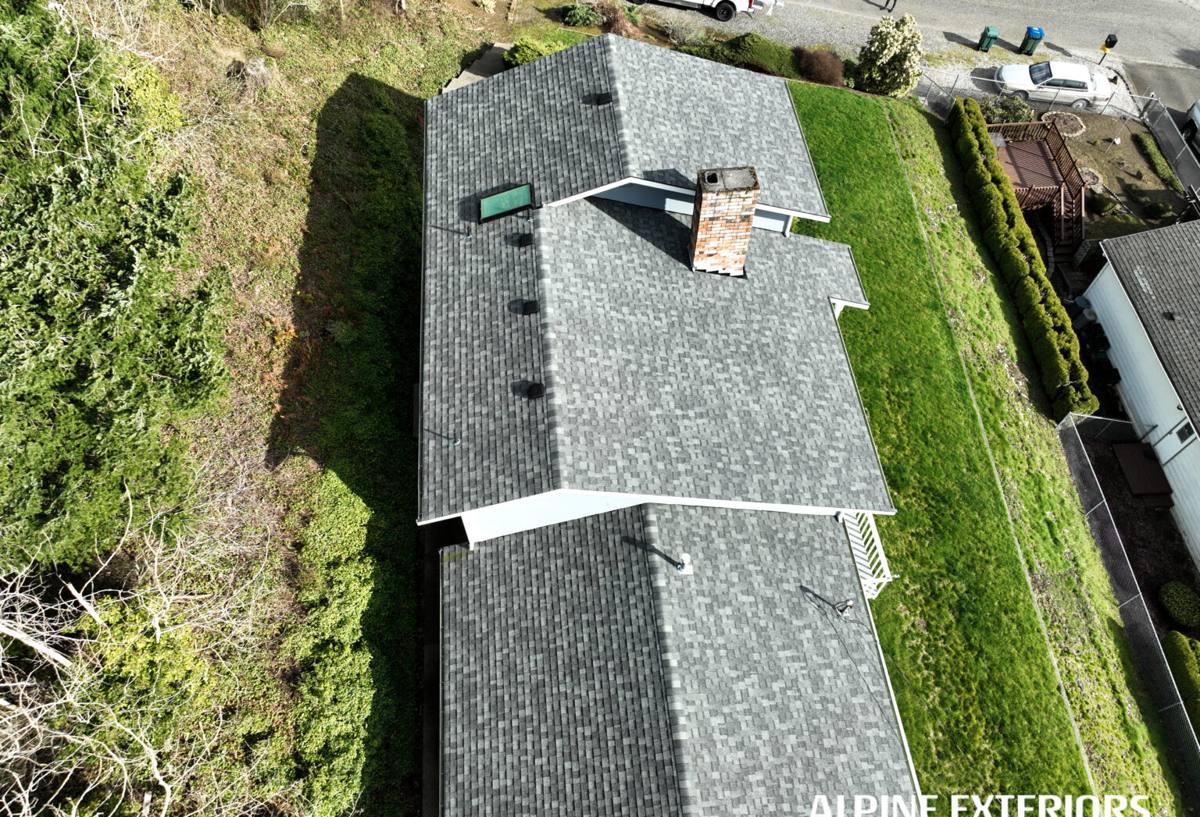
What Coastal Exposure Actually Does to a Shingle Roof
Asphalt shingles are a proven, cost-effective roofing material, but they age differently a few hundred yards from the Gulf than they do further inland. A few things to understand before you re-roof or repair a home in Indian Shores:
Wind Load
Barrier island homes see higher sustained wind speeds and more frequent gusting than mainland Seminole properties, and that's before a named storm is anywhere near the state. Shingle uplift almost always starts at the edges — the starter course, the rake edge, and the ridge — which is why those details matter more here than the field of the roof.
UV and Heat
Florida sun is intense everywhere in Pinellas County, but a roof with no shade and reflected light off nearby water gets extra exposure. UV breaks down the asphalt binder over time, which is what eventually causes granule loss and brittleness.
Salt Air
Salt corrodes exposed metal fast — nails, flashing, vents, drip edge. On an inland roof, standard fasteners might last the life of the shingle. On a barrier island roof, the wrong metal choice can fail years before the shingles do, and a failed fastener or flashing point is usually where a leak starts.
Wind-Driven Rain
Storms here rarely deliver rain straight down. Wind pushes it sideways and up under laps, edges, and penetrations. A roof that would shed a normal rain fine can still leak in a coastal storm if the underlayment and flashing details weren't built for that angle of attack.
What a Correct Installation Looks Like for This Area
"Correct" isn't just laying shingles in straight rows. For an Indian Shores home, we treat these as non-negotiable:
- High wind-rated shingle class — matched to what the exposure actually calls for, not just the cheapest option on the price sheet
- Full synthetic underlayment — a secondary water barrier that still protects the deck if wind ever lifts a shingle
- Sealed starter strip on every edge, not just the eaves — rake edges take wind uplift too and are commonly shorted on lower-end installs
- Corrosion-resistant fasteners and flashing — standard galvanized hardware corrodes faster this close to salt water
- Correct nailing pattern and nail placement — high-nailed or underdriven shingles are one of the most common causes of early wind failure, and it's invisible once the roof is done
- Properly stepped and counter-flashed penetrations — vents, stacks, and wall-to-roof transitions are where coastal leaks usually originate
- Ridge cap installed to the shingle manufacturer's actual wind spec, not just nailed on by habit
None of this is exotic. It's the difference between an installation done to code minimums and one built with the understanding that this roof will face more wind and more salt than a roof a few miles inland.
Choosing a Shingle for Indian Shores
Not every asphalt shingle product is built for the same conditions. Here's how the common tiers compare for a coastal Pinellas County application:
| Shingle Class | Typical Wind Rating | Algae Resistance | Best Fit |
|---|---|---|---|
| Standard 3-tab | Lower end of the range | Limited or none | Budget projects set back from the water; not our first recommendation for direct Gulf exposure |
| Architectural / laminated | Mid to upper range | Usually available as an upgrade | Most Indian Shores homes — good balance of durability, appearance, and cost |
| Premium high-wind laminated | Top of the manufacturer's range | Built in on most product lines | Direct waterfront exposure or homeowners who want the longest realistic service life |
We'll walk you through the actual manufacturer specs for whatever product line we quote — wind ratings and warranty terms vary by manufacturer and by shingle line, so we don't generalize numbers we can't back up on your specific roof.
A Note on Algae Streaking
Dark streaking on shingle roofs is common in humid coastal climates and is cosmetic, not structural — but it's more noticeable on a light-colored roof near the water than inland. Algae-resistant shingle lines cost a bit more upfront and are worth discussing if you want the roof to look clean for longer without pressure washing.
Tear-Off vs. Overlay: Why We Default to Tear-Off Here
Some roofers offer to install new shingles over an existing layer to save money. We generally don't recommend that approach for Indian Shores homes, for a few honest reasons:
- An overlay hides deck damage — and coastal humidity and past leaks make hidden rot more likely than in a drier inland attic
- A second layer changes how fasteners grip and how flat the new shingles sit, which works against the wind performance you're paying for
- Most manufacturers' strongest wind warranties require a full tear-off and inspected deck, not an overlay
- Florida building code limits how many layers are allowed, and older Indian Shores homes may already be at that limit
A full tear-off costs more upfront, but it's the only way to actually see the deck, replace any soft or water-damaged plywood, and install the underlayment and flashing system the way it's supposed to go down.
How We Approach the Job, Start to Finish
- On-site inspection — we look at the current roof, the deck condition where accessible, ventilation, and any signs of past leaks around penetrations and walls
- Honest scope and written estimate — what needs full replacement, what (if anything) is repairable, and why
- Material selection — matched to your home's exposure, budget, and how long you want the roof to perform before its next major service
- Tear-off and deck inspection — old material removed, deck checked board by board, any damaged sections replaced before anything new goes down
- Underlayment and flashing installation — the layer that actually keeps water out if a shingle is ever compromised
- Shingle installation — correct nailing pattern, sealed starter courses, properly lapped and cut valleys
- Ridge, vents, and final details — ridge cap set to spec, all penetrations flashed and sealed
- Cleanup and final walkthrough — magnetic sweep for stray fasteners, debris hauled off, and a walkthrough so you know exactly what was done
Attic Ventilation Matters More in This Climate
A shingle roof doesn't just sit on the deck — it works together with attic ventilation. In Pinellas County's heat and humidity, a poorly ventilated attic traps heat and moisture, which shortens shingle life from underneath and can cause condensation issues that have nothing to do with the roof surface itself. When we replace a roof, we check intake and exhaust ventilation as part of the job, not as an upsell — it's part of doing the roof correctly the first time.
Maintenance Checklist for Indian Shores Homeowners
A well-installed shingle roof still needs periodic attention in this environment. A few things worth doing on your own between professional inspections:
- Walk the property after any significant windstorm and look up for missing, lifted, or displaced shingles
- Check gutters and downspouts for granule buildup, which can signal accelerated shingle wear
- Look at flashing around chimneys, vent stacks, and wall transitions for rust streaking or gaps
- Trim back any overhanging vegetation so debris and moisture don't sit on the roof surface
- Have the roof professionally inspected after any named storm that produced sustained high winds in the area, even if you don't see obvious damage from the ground
Permits, Wind Mitigation, and Insurance
Roof replacement in Pinellas County requires a permit, and inspections confirm the work meets current Florida building code — which has real wind-resistance requirements, not just general workmanship standards. We handle the permitting and inspection process as part of the job. Beyond the permit itself, a documented, code-compliant reroof is also what supports a wind mitigation inspection, which can affect your homeowner's insurance premium. We're not insurance agents and won't promise a specific savings figure, but a properly installed and documented roof is generally what an insurer's wind mitigation inspector wants to see.
Why Local Experience in Indian Shores Actually Matters
A roofing crew that mostly works inland subdivisions can still install a technically fine roof — but a crew that regularly works Indian Shores and the surrounding Seminole beach communities has already seen how salt air treats different fastener and flashing choices over time, which shingle lines hold up best under direct Gulf wind, and where past crews have cut corners on barrier island homes. That local pattern recognition is hard to get from a manual. It comes from doing the work here, repeatedly, and following up on how it performs.
If you're planning a re-roof, dealing with storm damage, or just want an honest read on how much life is left in your current shingles, we're happy to take a look. Reach out for a free, no-pressure estimate — the form below gets you directly to our Seminole-based crew.