 Seminole Siding
 Windows Built for Life on the Barrier Island
Indian Shores sits on a narrow strip of land between the Intracoastal Waterway and the Gulf of Mexico, and that location shapes everything about how a window needs to perform here. Homes on this stretch of Pinellas County coastline take on hurricane-force wind gusts, wind-driven rain that finds every weak seam, salt-laden air that accelerates corrosion, and some of the most intense year-round UV exposure in the country. A window that works fine in an inland subdivision can fail years early out here, and "energy-efficient" on a spec sheet doesn't mean much if the unit isn't also built to survive the environment it's installed in.
For Indian Shores homeowners, the real question isn't just "how much will this cut my cooling bill," it's "will this window hold up to what this island throws at it, year after year, while still keeping the heat and humidity out." That's the standard we install to.
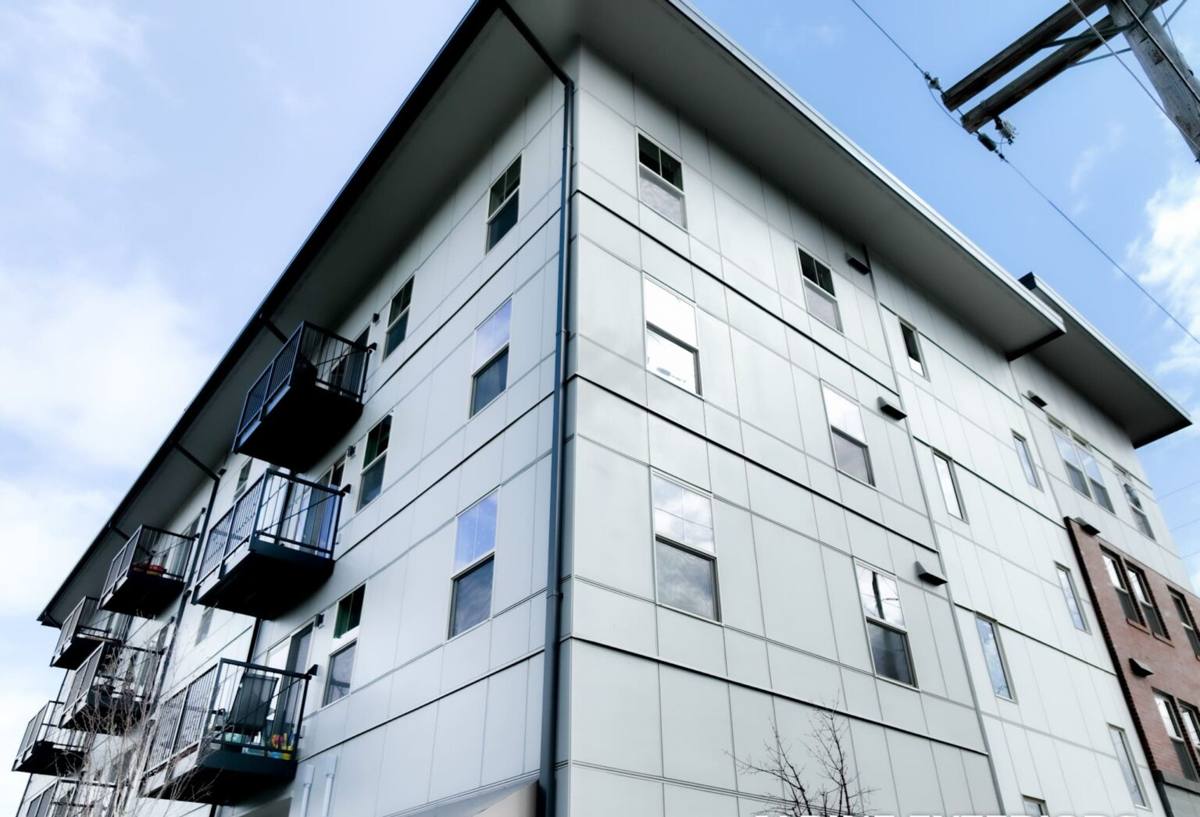
What Energy-Efficient Actually Means on the Gulf Coast
Energy efficiency in a coastal Florida window comes down to a combination of factors working together, not any single feature:
- Low-E glass coatings that reflect solar heat before it enters the home, which matters enormously given how much direct sun this area gets nearly every day of the year
- Multi-chamber or insulated frame construction that resists heat transfer through the frame itself, not just the glass
- Tight, consistent seals around sash and frame so conditioned air doesn't leak out and humid outside air doesn't leak in
- Proper glass spacer systems in insulated glass units that keep the seal intact through years of thermal expansion and contraction
All of that has to be paired with structural performance — impact resistance, wind load rating, and water infiltration control — because a window that's efficient but not built for coastal wind and rain won't stay efficient for long. Once a seal is compromised by flexing under wind pressure or by water intrusion around a poorly flashed opening, the energy performance degrades along with everything else.
Why This Matters More in Indian Shores Specifically
Because homes here are so close to open water, they experience higher sustained wind speeds, more direct salt spray, and more consistent humidity than homes even a few miles inland in Seminole. That combination puts extra stress on hardware, weatherstripping, and sealants, so window selection and installation quality both carry more weight here than they would on a typical residential job elsewhere in the county.
Salt Air and Coastal Corrosion: The Factor Homeowners Often Miss
Salt air is one of the most underestimated forces working against windows in Indian Shores. It attacks exposed metal hardware, fasteners, and certain frame finishes over time, and it can accelerate the breakdown of lower-grade seals and gaskets. This is why frame material and hardware selection matter as much as the glass package.
Our professional standard for coastal installs favors frame materials and hardware finishes with proven corrosion resistance, and we pay close attention to fastener quality — stainless steel or coated hardware rated for coastal use, not standard-grade fasteners that can rust and stain a frame within a few seasons. We also avoid cutting corners on gasket and weatherstrip quality, since these are the components most exposed to salt air infiltration around the sash.
Wind Load, Impact Rating, and the Florida Building Code
Pinellas County, including Indian Shores, falls within Florida's wind-borne debris region, which means replacement windows generally need to meet impact resistance or wind-borne debris protection requirements under the Florida Building Code. In practical terms, that means the window itself needs to be rated to resist wind-borne debris impact and the pressure loads that come with it, or be paired with code-compliant shutter protection.
For most Indian Shores homeowners, impact-rated windows are the simpler long-term answer. They provide the required protection without the hassle of deploying shutters before every storm, and they add a meaningful layer of energy performance and noise reduction the rest of the year as a byproduct of their laminated glass construction.
Wind Load Ratings Aren't One-Size-Fits-All
The required wind load rating for a given opening depends on the home's height, exposure, roof geometry, and location relative to the water. Two homes a few blocks apart in Indian Shores can have different design pressure requirements. This is why we calculate design pressure requirements for each opening rather than installing a generic "coastal" window across the board — using an under-rated product, even one that looks similar, can create a code compliance problem and a real vulnerability in the next storm.
Comparing Frame Materials for a Coastal Install
| Frame Material | Coastal Durability | Energy Performance | Maintenance |
|---|---|---|---|
| Vinyl | Good corrosion resistance; can soften/discolor under prolonged intense UV if lower-grade | Strong when multi-chambered | Low |
| Aluminum | Strong structurally but conducts heat and is more prone to salt-driven corrosion without proper coating | Weaker unless thermally broken | Moderate |
| Fiberglass/Composite | Excellent stability and corrosion resistance | Strong, low thermal transfer | Low |
We don't push one material as universally "best" — the right choice depends on the home's architecture, budget, and how exposed the specific elevation is to direct salt spray and sun. What we won't do is install a lower-grade product on a directly exposed Gulf-facing wall just because it's less expensive, without being upfront about the tradeoff in longevity.
What a Correct Installation Involves
The window unit itself is only part of the equation. Most premature window failures we see on the island trace back to installation shortcuts, not product defects. A correct install includes:
- Removing the old unit and fully inspecting the rough opening for rot, moisture damage, or structural issues before anything new goes in
- Proper flashing and sealant integration so water is directed out and away from the wall assembly, not trapped behind the new window
- Shimming and squaring the unit so it operates smoothly and the seal performs as designed under wind pressure
- Using fasteners and anchoring appropriate for the substrate and the required wind load, per the product's approved installation instructions
- Sealing and finishing the interior and exterior properly, including compatible sealants that won't break down quickly in constant UV and salt exposure
Skipping or rushing any of these steps is how a good window ends up with a bad reputation — leaks, drafts, and callback repairs almost always trace back to the opening prep and installation, not the glass.
Our Process for Indian Shores Homes
1. On-Site Assessment
We look at each opening individually — exposure, current condition, signs of water intrusion, and what design pressure rating the location actually requires.
2. Product Selection and Straight Talk on Options
We walk through frame material, glass package, and impact rating options with honest tradeoffs on cost, appearance, and long-term maintenance, so the decision fits the home and the budget rather than a one-size-fits-all package.
3. Permitting
Coastal window replacements in Pinellas County typically require permitting and inspection given the wind-borne debris and impact requirements involved. We handle that process as part of the job.
4. Installation
Careful removal, opening inspection and repair as needed, correct flashing and sealing, and precise setting of each unit to the manufacturer's approved installation method.
5. Final Walkthrough and Inspection
We confirm proper operation, sealing, and finish work, and coordinate any required inspection sign-off before considering the job complete.
Signs Your Current Windows Are Costing You
- Rooms near windows feel noticeably hotter than the rest of the house during the day
- Air conditioning runs longer or more often than it should for the square footage
- Condensation forms between panes of an insulated glass unit, indicating a failed seal
- Frames feel warm to the touch on the interior side during peak sun hours
- Visible corrosion, pitting, or staining on hardware and frame fasteners
- Difficulty opening, closing, or locking sashes that used to operate smoothly
- Fading furniture, flooring, or fabrics from excessive UV transmission through older glass
Any one of these on its own might not mean much, but a few of them together usually point to windows that are past their functional life for this climate, even if they still look intact from the outside.
Why Local Experience in Indian Shores Matters
A contractor who regularly works this specific stretch of coastline understands the practical realities that don't show up in a manufacturer's brochure: which elevations take the worst salt spray, how HOA or building requirements in barrier island communities tend to run, and how the local permitting and inspection process actually moves. That familiarity saves homeowners from surprises mid-project and helps avoid product choices that look fine on paper but don't hold up to this specific environment.
It also means a crew that isn't guessing at wind load requirements for the first time on your roof — this is routine work for us, on homes with the same exposure conditions yours has.
Get a Straightforward Estimate
If your windows in Indian Shores are underperforming, aging, or you're planning ahead for storm season, we're happy to take a look and give you honest, specific recommendations for your home — no pressure, no upsell. Use the form below to request a free estimate.