 Seminole Siding
 Why Kenneth City Homes Need a Different Approach to Windows
Kenneth City sits in the middle of Pinellas County, close enough to the Gulf that salt-laden air, wind-driven rain, and intense year-round UV all reach it, even without direct waterfront exposure. Add hurricane-force wind events that pass through the area most seasons, and you have a climate that is genuinely hard on window systems. Frames chalk and warp faster than they would inland. Seals that would last two decades in a drier climate fail in twelve or fifteen years here. And any window that isn't rated for the wind pressures Florida Building Code requires in this part of the state is a liability during a storm, not just an inconvenience.
Custom windows aren't a luxury upgrade in this context — they're often the only way to get an opening that's the right size, the right structural rating, and properly sealed against the specific conditions Kenneth City sees. Off-the-shelf sizes work fine on new construction built to a standard grid. They frequently don't work on the older, individually-framed homes common in this part of Pinellas County.
The Housing Stock in Kenneth City Drives the Window Problem
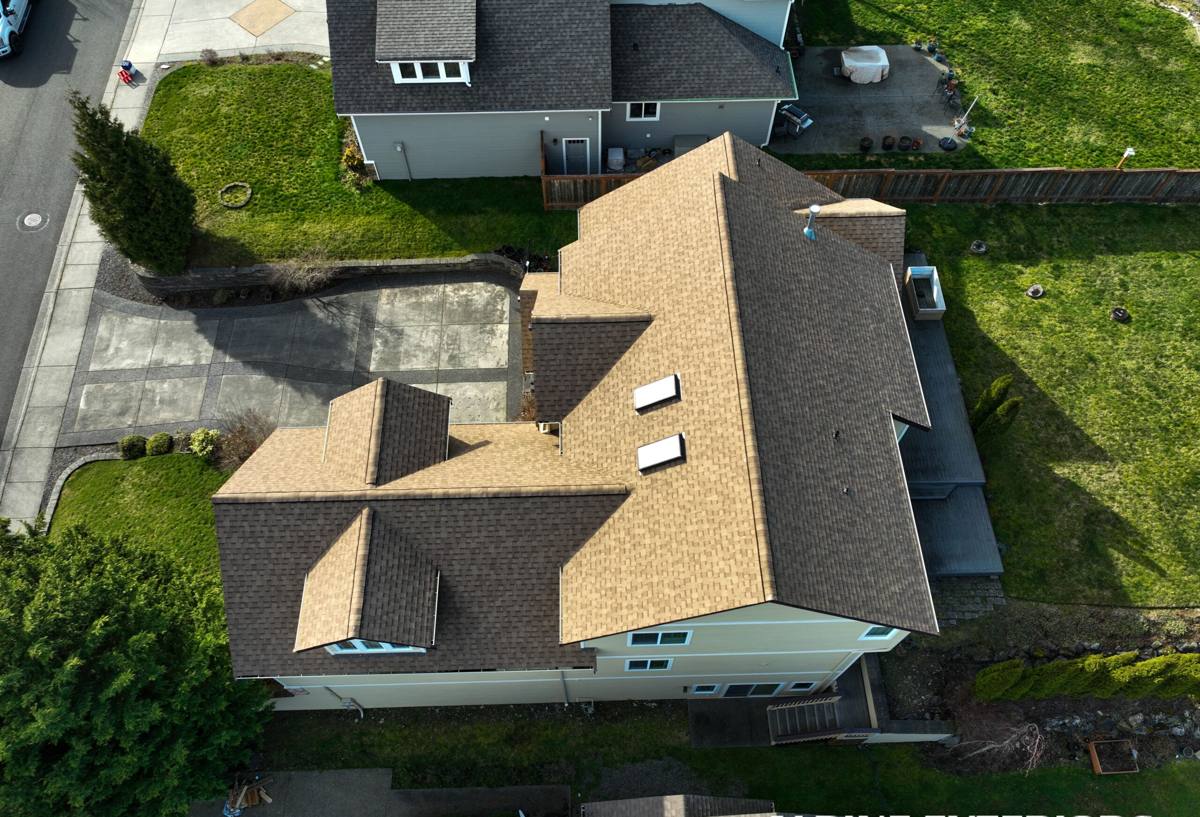
A lot of homes in and around Kenneth City date from the mid-20th-century building boom that shaped much of Pinellas County — concrete block construction, modest ranch footprints, window openings that were framed by hand rather than cut to a modern standard size. Over the decades, many of those openings have shifted slightly, been re-stuccoed, or had trim added, so the rough opening is no longer a clean rectangle that matches a catalog window size.
That's the situation where custom windows earn their name: the unit is built to the actual opening, not the other way around. Trying to force a stock-sized window into an irregular opening usually means shimming gaps, using excess sealant to compensate, or trimming the opening itself — all of which create weak points that show up later as leaks, drafts, or a window that won't stay square under wind load.
Signs a Kenneth City Home Needs Custom Windows Rather Than Stock Replacements
- Openings that are out of square or slightly different sizes from room to room, common in homes that have settled over 50+ years
- Visible daylight, whistling, or air movement around the frame during windy conditions
- Chalky, pitted, or discolored aluminum frames from sustained UV exposure
- Fogging or moisture between panes on older double-pane units — a sign the seal has failed
- Wood-framed openings with rot or soft spots near the sill, often from years of wind-driven rain intrusion
- Any window installed before current Florida Building Code wind-load requirements took effect, with no documented pressure rating
What a Correct Custom Window Job Actually Involves
"Custom" refers to more than just non-standard dimensions. A correctly specified and installed window in this climate has to account for several things working together:
Wind Pressure Rating
Every window installed in Pinellas County has to meet the wind-load requirements set by Florida Building Code for this wind zone. That rating isn't optional and it isn't uniform — a window's required pressure rating depends on the home's height, its location relative to open terrain, and where on the building the opening sits (corner openings generally see higher pressures than a wall's center). We size and specify each window to the load it actually needs to carry, not a generic number.
Impact Resistance
Impact-rated glass, tested against wind-borne debris, is the most common way homeowners meet code without relying on separate shutters or panels. It also has the side benefit of blocking a meaningful amount of UV transmission and cutting outside noise. It costs more than standard glazing, and that's a legitimate trade-off to weigh honestly against non-impact glass paired with code-compliant shutters.
Frame Material and Finish
Aluminum, vinyl, and fiberglass all perform differently under sustained salt air and UV. We'll walk through the real maintenance and lifespan trade-offs of each for your specific exposure rather than defaulting to whatever's easiest to install.
Flashing and Sealing at the Rough Opening
This is where most window failures actually start — not in the glass or the frame, but in how the opening was flashed and sealed before the window ever went in. Wind-driven rain in this region finds any gap in that flashing eventually. Correct installation means proper flashing tape, backer rod and sealant sized to the gap, and a drainage path so any water that does get behind the frame has somewhere to go.
Impact-Rated vs. Non-Impact: A Straight Comparison
| Factor | Impact-Rated Windows | Non-Impact + Shutters |
|---|---|---|
| Upfront cost | Higher per window | Lower window cost, but adds shutter cost |
| Storm prep effort | None — always protected | Shutters must be installed before every storm |
| UV and noise reduction | Better, built into the glass | No everyday benefit — shutters are storm-only |
| Appearance | Unchanged from standard windows | Shutters visible on the exterior when deployed |
| Code compliance | Meets requirement on its own | Requires shutters to be present and functional at time of storm |
Neither option is wrong. Some homeowners prefer not to worry about shutter storage, tracking, or last-minute installation before a storm. Others are working within a tighter budget and are comfortable maintaining shutters. We'll lay out the real numbers for your specific home rather than pushing one option.
Our Process for a Kenneth City Custom Window Job
- On-site measurement and assessment. We measure every opening individually and check the condition of the surrounding framing, sill, and any existing water damage before specifying anything.
- Wind-load and code review. We determine the required pressure rating for each opening based on your home's specifics and current Florida Building Code for Pinellas County.
- Material and glazing selection. We go over frame material, glazing type, and finish options with honest trade-offs for your budget and exposure.
- Fabrication. Custom units are built to the exact measured opening — not a nearest-fit stock size.
- Removal and opening prep. Old windows come out carefully to avoid unnecessary damage to stucco or trim; the opening is inspected and repaired if needed before the new unit goes in.
- Installation, flashing, and sealing. This is the step that determines whether the window performs for twenty years or leaks in three. We flash and seal to manage water, not just to look finished.
- Final check and cleanup. We confirm operation, seal integrity, and site cleanup before we consider the job done.
Frame Material Options and Cost Factors
| Material | Typical Lifespan Here | Maintenance | Relative Cost |
|---|---|---|---|
| Aluminum | Long-lasting structurally, but finish fades faster under UV | Periodic cleaning; finish may need attention sooner near the coast | Lower to mid |
| Vinyl | Good, but can soften or discolor under extreme sustained heat | Low; no painting needed | Mid |
| Fiberglass | Very good UV and salt-air resistance | Low | Higher |
These are general patterns, not guarantees — the finish quality, hardware, and installation matter as much as the base material. We'll point you toward what makes sense for a Kenneth City exposure rather than the most expensive option by default.
Permits and Documentation
Window replacement in Pinellas County generally requires a permit, and the finished job needs to be documented with the correct product approval and wind-load rating for your records. That documentation matters beyond the inspection — it's frequently requested by insurance carriers when they evaluate wind mitigation credits on a homeowner's policy. We handle the permitting and provide the paperwork you'll need, rather than leaving that step to you after the fact.
What to Ask Before Hiring Anyone for Window Work
- Will the windows carry a documented wind-pressure rating appropriate for this specific home and opening?
- Who pulls the permit, and is that included in the price?
- What flashing and sealing method is used at the rough opening, specifically?
- Is the crew doing the installation the crew that measured the openings, or is it subcontracted out separately?
- What's covered under warranty — the product, the labor, or both — and for how long?
- Do they have current experience installing in this part of Pinellas County, not just somewhere in Florida generally?
Why a Local Crew Matters for This Job
Custom window work rewards familiarity with the specific housing stock and conditions in an area. A crew that regularly works Kenneth City and the surrounding Seminole area already knows what to expect from openings in homes of this age and construction type, understands the wind-load requirements that apply here, and isn't learning the local permitting process on your job. That translates into fewer surprises during measurement, a smoother permit process, and an installation approach that's already been proven against this specific mix of UV, salt air, and storm exposure — not adapted from experience somewhere with different conditions.
It also means someone is genuinely reachable afterward. If a seal needs attention or a question comes up two years down the road, you're calling a crew that's still working in your neighborhood, not tracking down a company that did one job in the area and moved on.
Get a Straightforward Estimate
If you're dealing with drafty, aging, or storm-questionable windows on a Kenneth City home, we're happy to take a look and give you a clear picture of what your openings actually need — no pressure, no inflated scope. Use the form below to request a free estimate.