 Seminole Siding
 Building a Deck That Actually Holds Up in Kenneth City
Kenneth City sits in the middle of Pinellas County, close enough to the Gulf that salt-laden air, driving rain, and hurricane-strength wind gusts are part of normal weather here, not rare events. A deck built the way it might be built in a drier, milder climate will show problems in Kenneth City within a few years: cupped boards, rusted fasteners, loose railings, and a substructure that's rotting from the inside while the top of the deck still looks fine. Building a deck correctly for this area means choosing the right materials, fastening everything the right way, and accounting for wind and water from the first post hole to the last board.
This page covers what a Kenneth City deck project actually involves — the climate factors that matter, the material trade-offs, how we build the substructure, what local code requires, and what it takes to keep a deck sound for decades instead of just a few years.
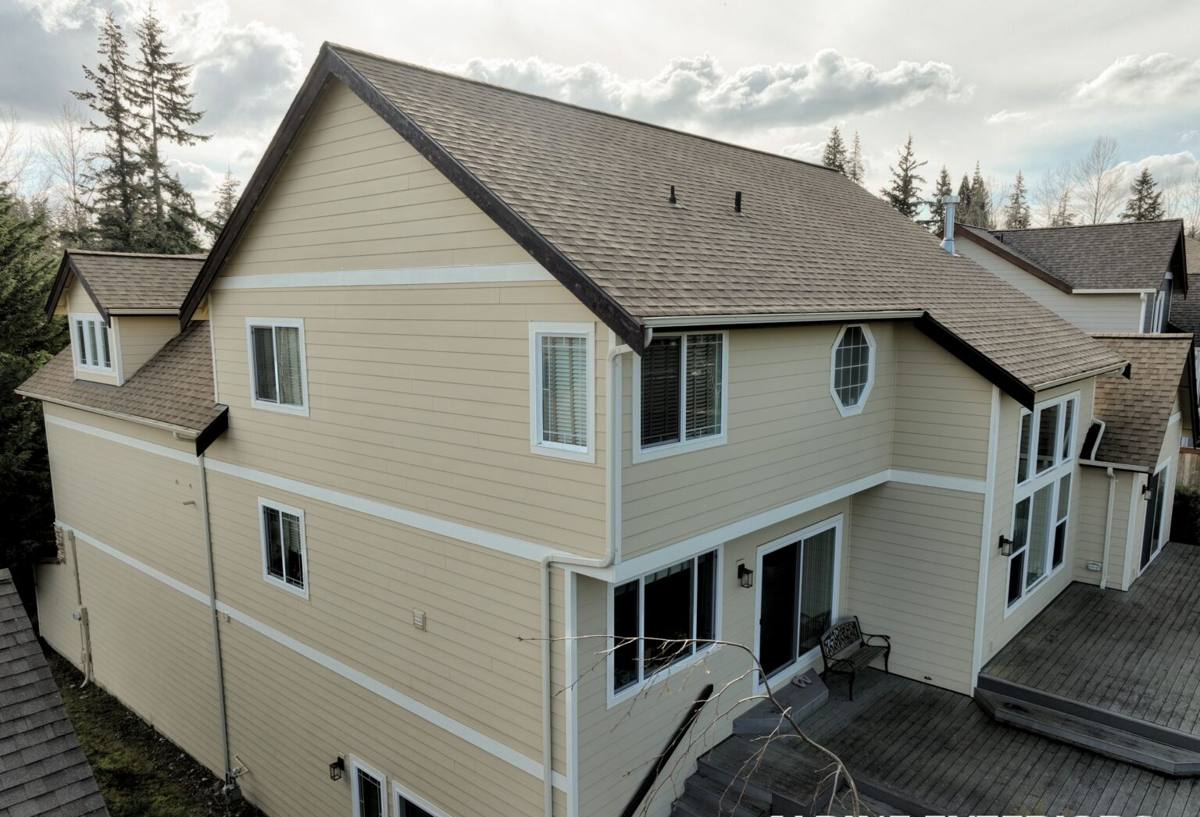
What Kenneth City's Climate Does to a Deck Over Time
Four things wear on outdoor structures here more than almost anywhere else in the country:
- Intense, year-round UV exposure — Florida sun breaks down wood fibers, fades composite and PVC surfaces unevenly, and dries out sealants and caulking faster than in northern climates.
- Wind-driven rain — storms here rarely fall straight down. Rain gets pushed sideways under railings, into ledger board connections, and into any gap where end grain is exposed.
- Salt air — even well inland from the immediate coastline, airborne salt accelerates corrosion on any fastener, bracket, or connector that isn't rated for it.
- Hurricane-force wind — a deck attached to the house, or a freestanding structure with railings and stairs, has to resist uplift and lateral loads that a fair-weather build simply won't survive.
Individually, none of these is a surprise to anyone who's lived in Pinellas County for a season. The problem is that most deck failures aren't caused by one dramatic event — they're the slow result of all four factors working on the same joints, fasteners, and board ends year after year.
Where Decks Actually Fail First
When we get called out to look at a failing deck, the visible boards are almost never the real problem. The failure points that show up again and again are:
Ledger Board Attachment
The ledger board — where the deck ties into the house — is the single most important structural connection on an attached deck. If it isn't flashed correctly, wind-driven rain works its way behind it and rots the house's rim joist from the inside, often long before anything looks wrong from outside.
Fasteners and Hardware
Standard hardware corrodes fast in salt air. Screws back out, joist hangers rust and weaken, and bolts seize or snap. Hardware needs to be rated for coastal exposure, not just "exterior grade."
Post Bases and Footings
Posts set directly in wet soil or undersized concrete footings shift over time, especially with Florida's heavy seasonal rain and occasional standing water. A post that isn't properly isolated from ground moisture will rot at the base years before the rest of the structure shows wear.
Board Ends and Cut Edges
Any cut end of a board — wood or composite — that isn't sealed or capped is a direct path for water intake. This is one of the most common causes of premature decking failure and one of the easiest to prevent.
Choosing the Right Decking Material
There's no single "best" decking material — there's a best material for a given budget, maintenance appetite, and how exposed the deck is to sun and rain. Here's how the common options actually compare for a Kenneth City installation:
| Material | Upfront Cost | Maintenance | How It Handles This Climate |
|---|---|---|---|
| Pressure-treated wood | Lowest | High — annual sealing/staining | Affordable and repairable, but needs consistent upkeep to resist UV drying and moisture cycling. Skipping a season of sealing shows fast. |
| Composite decking | Mid-high | Low — occasional cleaning | Resists rot and doesn't need sealing, but quality varies a lot by brand; cheaper composites can fade or absorb heat more than expected in full Florida sun. |
| Capped PVC decking | Highest | Lowest | Fully sealed cap resists moisture intake and salt exposure best of the three; higher upfront cost is offset by minimal long-term maintenance. |
| Tropical hardwoods (e.g., ipe) | High | Moderate — periodic oiling | Naturally dense and rot-resistant, but requires correct fastening (hidden fasteners or pre-drilling) and periodic oiling to maintain appearance. |
We install all of these and will tell you honestly which one fits your budget and how much upkeep you actually want to do. If you want the lowest maintenance and can afford it, capped PVC is the strongest long-term performer we've seen in this climate. If budget matters more and you're willing to seal it on a schedule, treated wood is still a perfectly sound choice — it just requires more of your time.
A Note on Cheaper Composite Products
Not all composite decking is built the same. Some lower-tier composites use a formulation that's more porous and prone to moisture absorption at the core, which becomes a real issue in a climate with this much rain and humidity. We install composite products with a track record of holding up in Gulf Coast conditions, and we'll walk you through why we steer away from the bargain-tier options rather than just installing whatever's cheapest.
How We Build a Kenneth City Deck
Every deck is different, but the sequence and standards we hold to don't change:
- Site and structural assessment — we check soil conditions, drainage, house attachment point, and existing structure before designing anything.
- Design and permitting — layout, footing placement, and railing/stair plans are drawn up to meet Pinellas County code and wind load requirements for the structure's size and height.
- Footings and posts — footings are sized and set below grade appropriately, with posts isolated from direct ground contact using proper base hardware.
- Ledger flashing (attached decks) — the ledger board is flashed to shed water away from the house structure, not toward it.
- Framing — joists, beams, and blocking are fastened with corrosion-resistant, coastal-rated hardware sized for the actual load and span, not the minimum code allows.
- Decking installation — boards are laid with correct spacing for drainage and expansion, and every cut end is sealed or capped before it's exposed to weather.
- Railings and stairs — built to code height and baluster spacing requirements, with hardware matched to the decking material.
- Final inspection and walkthrough — we go over the finished deck with you, including what maintenance it does and doesn't need going forward.
Permits, Wind Load, and Local Code
Decks in Pinellas County require permitting, and inspectors here pay close attention to structural connections — ledger attachment, footing depth, and railing/guard requirements in particular — because of the wind loads this region has to design for. Skipping a permit might save time upfront, but it creates real problems later: unpermitted structures can complicate home sales, insurance claims, and any future work that touches the deck. We pull permits as a standard part of the job and build to the load requirements for your specific deck's height, size, and attachment style, not just a generic minimum.
Railings, Stairs, and Guard Requirements
Any deck elevated above a certain height needs a code-compliant guard rail, and stair railings have their own baluster spacing and height rules. These aren't just inspection checkboxes — a railing system that's undersized or poorly fastened is one of the more common safety failures we see on older decks, especially once salt-air corrosion has weakened the original hardware. We size and fasten railing posts to resist real lateral load, not just to pass a visual check.
Maintaining a Florida Deck Once It's Built
No decking material here is truly "no maintenance" — some just need far less than others. A simple seasonal routine goes a long way:
- Sweep off debris and standing organic matter regularly — leaves and pollen trap moisture against the board surface.
- Check railing posts and stair connections for movement at least once a year.
- Rinse salt residue off the deck surface periodically, especially after storms with onshore wind.
- Reseal or restain wood decking on the schedule the product calls for — don't wait until it's visibly gray and dry.
- Look underneath the deck occasionally for signs of moisture, rust streaks on hardware, or soft spots in framing.
- Keep gutters and downspouts near the deck clear so runoff isn't draining directly onto posts or footings.
Why Hire a Crew That Already Works in Kenneth City
A deck contractor who mainly works inland or in a different climate will often default to fastening schedules, hardware grades, and material choices that are fine somewhere else but undersized for Pinellas County. Working in this specific area — with its wind exposure and salt air — means knowing which hardware actually holds up, which decking products perform versus which ones just look good on a showroom sample, and what Pinellas County's inspectors expect to see at each stage of the build. That local familiarity is what keeps a project moving without surprise delays and keeps the finished deck sound well past the first few Florida summers.
If you're planning a new deck or replacing one that's showing its age in Kenneth City, we're glad to come take a look and give you a straightforward, no-pressure estimate — including an honest read on what material and build approach makes sense for your budget and how the deck will be used. Use the form below to get started.