 Seminole Siding
 Storm Damage Roof Repair Built for Kenneth City Homes
Kenneth City sits in the dense, established heart of Pinellas County, close enough to Seminole and the rest of the county's coastline to feel every storm system that moves through the Tampa Bay area. That means roofs here take on a specific combination of stresses year after year: hurricane-force wind gusts during the active season, wind-driven rain that gets pushed sideways under shingle edges rather than falling straight down, intense year-round UV that never really lets up even in the off-season, and salt-laden air that works on exposed metal and fasteners whether a storm is in the forecast or not. A roof that's been through one or two named storms, or even just a few seasons of sustained tropical humidity and afternoon thunderstorms, often has damage that isn't obvious from the ground.
This page is specifically about storm damage roof repair for homes in and around Kenneth City — what local conditions demand, how to tell the difference between a repair and a replacement situation, what a correct repair job actually involves, and how our process works from first call to final walkthrough.
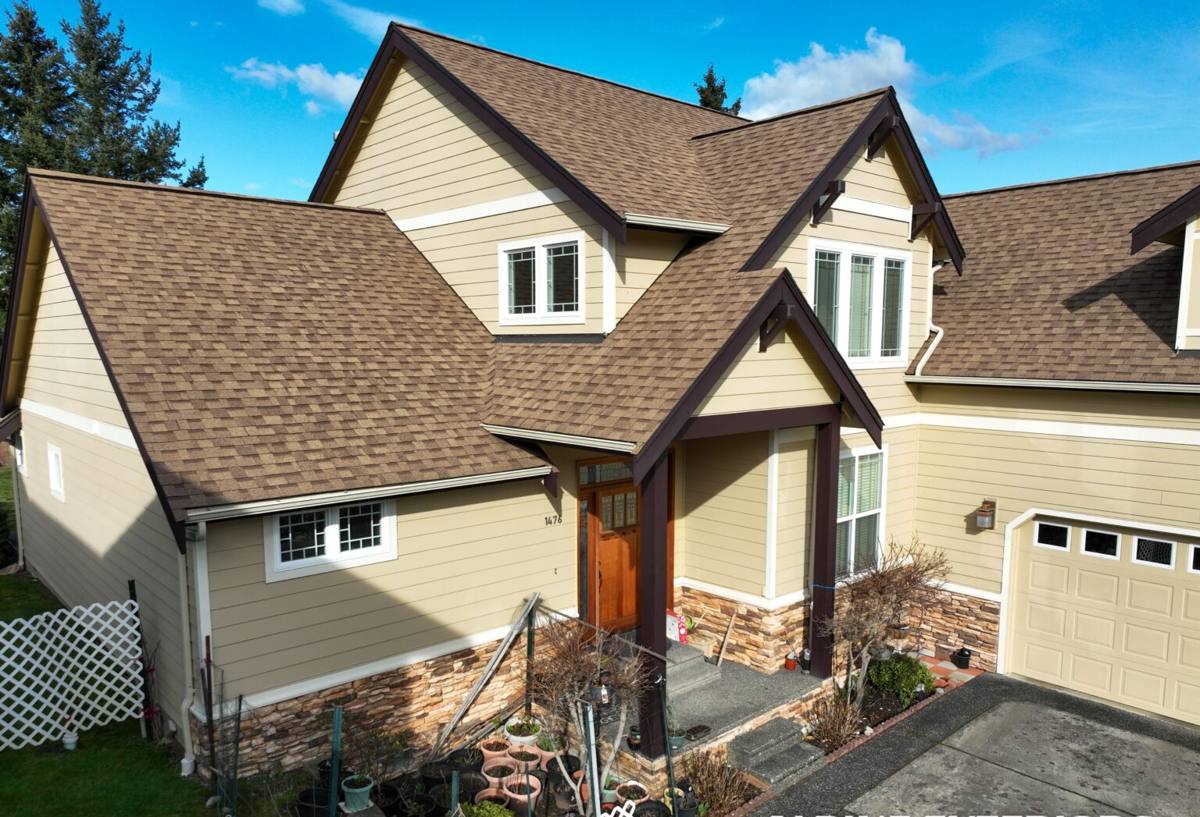
What Pinellas County Storms Actually Do to a Roof
Hurricane-Force and Straight-Line Wind
Wind is the single biggest driver of storm damage to roofs in this part of Florida. Sustained hurricane-force gusts, and even the shorter straight-line wind events that come with a strong summer storm cell, can lift shingle tabs, tear off ridge cap, and pull flashing loose at the edges where it's most exposed. Once a shingle's seal strip is broken by wind uplift, it often doesn't reseal properly on its own, which leaves that spot vulnerable to the next storm even if nothing looks obviously wrong afterward.
Wind-Driven Rain
Rain that falls straight down is easy for almost any roof to shed. Rain that's being pushed sideways and upward by wind is a different problem entirely — it finds its way under shingle tabs, into valleys, and around flashing details that were only ever designed to handle water moving downward. This is where a lot of storm-related leaks actually start, often at a point well away from where the water eventually shows up on a ceiling inside the house.
Year-Round UV Exposure
Florida's sun angle and long day length mean roofing materials here absorb far more cumulative UV exposure per year than most of the country sees. That constant UV load breaks down asphalt shingle granules and the asphalt binder underneath them over time, which is part of why a roof that's already a decade or more old is often more vulnerable to wind and impact damage during a storm than a newer one, even if it looked fine the week before.
Salt Air
Pinellas County's peninsula geography means airborne salt reaches homes well inland from the immediate coastline, Kenneth City and the greater Seminole area included. Salt accelerates corrosion on exposed nails, flashing, and metal roof-to-wall transitions. A corroding fastener loses holding strength over time and can create a small gap right where it penetrates the roofing material — exactly the kind of entry point that turns into a leak during the next storm.
Spotting Storm Damage: What to Look For
Most storm damage isn't dramatic. It's a handful of small, easy-to-miss signs that add up to a real problem if left alone through another storm season. After any significant wind or rain event, it's worth doing a careful walk-around of your home, both from the ground and inside the attic if you can safely access it.
- Shingles that are curled, cracked, creased, or missing altogether, especially near roof edges and corners
- Granules collecting in gutters or at downspout outlets, which signals accelerated wear on the shingle surface
- Lifted or visibly loose ridge cap along the peak of the roof
- Dented or displaced flashing around chimneys, vent pipes, and skylights
- Water stains, discoloration, or sagging on interior ceilings, especially after a heavy rain event
- Musty odors or visible moisture in the attic, even without an obvious drip
- Debris, branches, or visible impact marks on the roof surface after high wind
None of these on their own necessarily means a full replacement is needed, but any of them is a reason to get a roof looked at before the next storm system moves through.
Repair vs. Replacement: How We Make That Call
Not every storm-damaged roof needs to come off. A lot of storm damage is legitimately repairable, especially when it's caught early and limited to a specific area of the roof. The decision comes down to the age and remaining life of the roof, how widespread the damage is, and whether the underlying deck and structure are still sound.
| Situation | Repair Usually Makes Sense | Replacement Usually Makes Sense |
|---|---|---|
| Roof age | Under roughly 10-12 years old, still within useful service life | Near or past the typical service life for the material installed |
| Extent of damage | Isolated to one slope, valley, or section | Spread across multiple roof planes or the majority of the field |
| Deck condition | Sound decking found under the damaged area | Soft spots, rot, or repeated moisture damage found at the deck |
| Shingle match | Close color and profile match available for the existing roof | Existing shingle discontinued or heavily faded, making a patch visibly obvious |
| Storm history | First significant damage event on an otherwise healthy roof | Repeated storm damage claims on the same aging roof |
We walk through this with every homeowner in plain terms, including when a repair is genuinely the right call rather than pushing for a bigger job than the roof actually needs.
What a Correct Storm Damage Repair Involves
Emergency Tarping and Water Mitigation
When a roof has an active leak or exposed decking after a storm, the first priority is stopping additional water intrusion, not scheduling the full repair. A properly secured tarp, held down at the right points rather than just weighted at the corners, buys time to do the actual repair correctly instead of rushing it while more rain is still in the forecast.
Deck Inspection
Before any new shingles go down, the decking underneath the damaged area needs to be checked for soft spots, delamination, or hidden rot from water that got in before the damage was visible from above. Skipping this step and just covering the area with new shingles buries a problem instead of fixing it.
Matching Underlayment and Flashing Repair
Storm damage often takes flashing along with shingles, particularly at valleys, chimneys, and wall intersections. A correct repair replaces damaged underlayment and re-details flashing to shed water properly, not just re-caulks whatever is already there. This is one of the areas where a rushed repair fails again in the very next storm.
Shingle Replacement and Sealing
New shingles need to be fastened per manufacturer specification, not a shortcut pattern, and the surrounding shingles need to be checked for wind-lifted seal strips that may not reseal on their own even if they weren't torn off. A repair that only replaces the obviously missing shingles while ignoring the ones that got lifted nearby tends to show new damage after the next windy afternoon.
Post-Repair Inspection
A finished repair should get a final walkthrough that checks the repaired area, the surrounding field, ventilation, and any flashing that was touched, so nothing gets missed before the crew leaves the property.
Working With Your Insurance Claim
Most storm damage roof repairs in this area involve a homeowner's insurance claim, and the process goes more smoothly when the documentation is thorough from the start. We photograph and document damage before any repair work begins, which gives you and your adjuster a clear, dated record of what the storm actually did. We're also available to walk the roof with an adjuster if that's helpful, and we provide detailed, itemized estimates that match the way most insurers expect damage and scope of work to be presented.
It's worth knowing that insurance policies and storm damage coverage vary by carrier and policy, and we're not in a position to advise on coverage decisions — that's between you and your insurance company. What we can control is giving you accurate documentation and an honest scope of work, whether that ends up being a targeted repair or a larger claim.
Cost Factors in Storm Damage Repair
Storm repair estimates can vary quite a bit even for roofs that look similarly damaged from the street. The real drivers are usually these:
| Factor | What It Affects |
|---|---|
| Extent of shingle and underlayment damage | How much of the roof field needs to be opened up and replaced |
| Deck condition underneath the damage | Whether decking replacement is needed in addition to roofing material |
| Flashing scope | How much valley, chimney, and wall-intersection flashing needs re-detailing |
| Shingle availability and match | Whether an exact or close match is available versus needing a wider repair area |
| Roof pitch and access | Labor time, staging, and safety equipment needed for the specific roof |
| Emergency tarping needed | Additional cost for immediate water mitigation ahead of the permanent repair |
A written estimate that itemizes these components, rather than a single lump-sum figure, is worth asking for from any contractor so you can see exactly what you're paying for.
How Our Process Works
- Fast response after a storm: We prioritize storm damage calls and get out to assess and, if needed, tarp the roof quickly rather than leaving a damaged roof exposed to the next rain event.
- In-person inspection: We walk the roof and check the attic where accessible, documenting the actual extent of damage rather than estimating from the ground or a photo.
- Honest repair-or-replace recommendation: We tell you plainly which situation you're in and why, based on the roof's age, condition, and the extent of the damage found.
- Detailed written estimate: You get an itemized scope of work that's easy to compare against other bids and that matches the documentation format most insurance adjusters expect.
- Repair work: Our crew addresses the deck, underlayment, flashing, and shingle field as a system, not just the visibly missing pieces.
- Final walkthrough: We review the completed repair with you before considering the job done.
Why a Crew That Already Works Kenneth City Matters
Storm damage repair rewards local familiarity in ways a lot of homeowners don't think about until they're comparing bids. A crew that already works throughout the Kenneth City and Seminole area knows the housing stock common to this part of Pinellas County, understands local permitting and code requirements for roof repair, and isn't learning the area's wind and salt exposure for the first time on your roof. After a widespread storm event, response time also matters — a company with an established local presence is generally able to get to your property faster than one traveling in from well outside the area, and faster tarping and repair scheduling directly reduces how much secondary water damage a home takes on while it waits.
None of that replaces the fundamentals of a correct repair — sound decking, proper flashing, correctly fastened shingles, and honest documentation for your insurance claim — but it does mean fewer surprises and a faster path from storm damage to a roof that's genuinely fixed rather than just patched enough to pass a glance from the street.
If your roof has visible storm damage, or you just want a second opinion after a rough storm season, we're happy to take a look. Reach out below for a free, no-pressure estimate.