 Seminole Siding
 Largo's Climate Is Hard on Roofs — Here's Why
A roof over a Largo home doesn't get an easy life. Between hurricane-force wind gusts during storm season, intense UV exposure nearly every day of the year, wind-driven rain that finds its way into any gap in the system, and salt air rolling in off Tampa Bay and the Gulf, every layer of a roofing system is under constant attack. That combination is a big part of why roofs in this part of Pinellas County rarely fail from one dramatic event. They fail slowly, from years of small compromises that add up.
UV exposure breaks down the asphalt oils in shingles over time, making them brittle and prone to cracking. Salt-laden air accelerates corrosion on exposed fasteners, metal flashing, and vents. Wind-driven rain doesn't fall straight down — it gets pushed sideways and even slightly upward under eaves and around penetrations, which is why a roof that "looks fine" from the ground can still be letting water into the deck. And wind uplift, even from a strong afternoon storm rather than a named hurricane, tests every nail and every seam every single year. A new roof installation done for a Largo home has to be built with all of this in mind from day one, not treated the same as a roof going on a house in a milder climate.
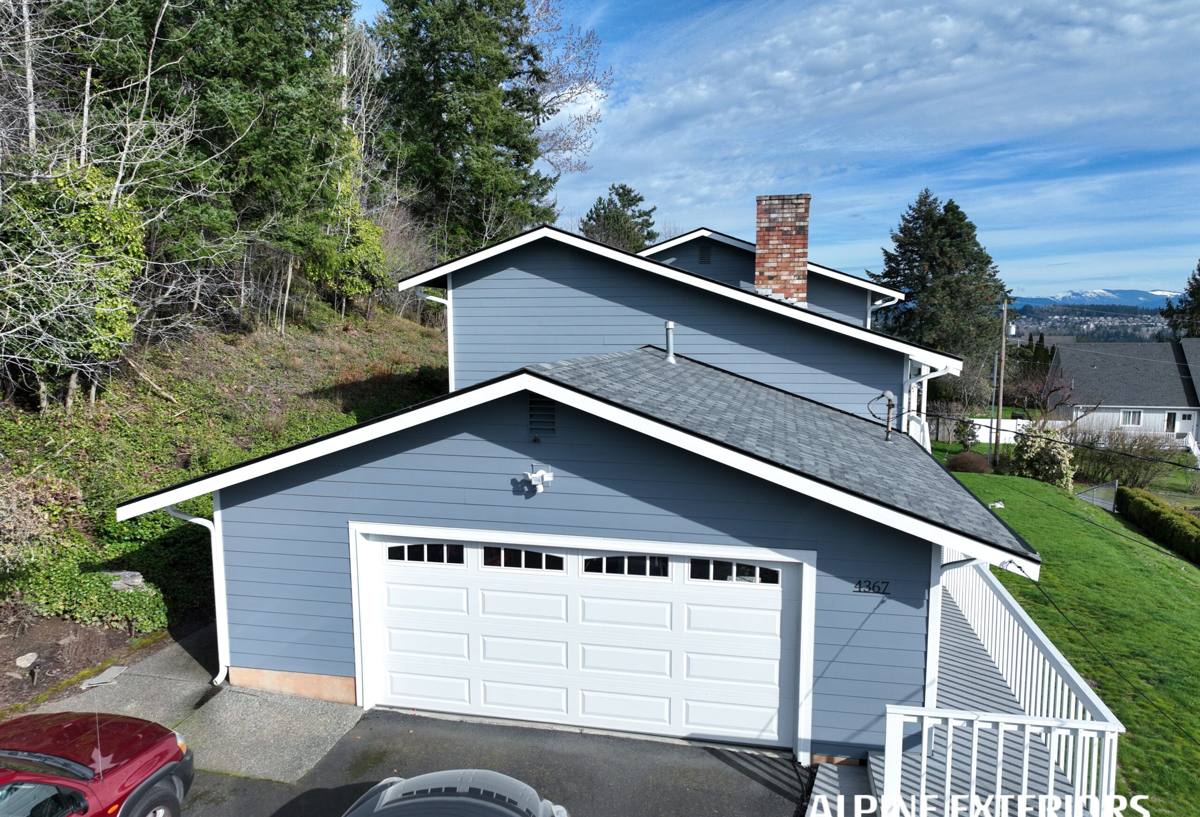
What a Correct New Roof Installation Actually Involves
"New roof" sounds simple, but the quality of the job comes down to what happens underneath the material you can actually see. A roof that looks good from the street can still be a poor installation if the layers underneath weren't handled correctly.
Tear-Off and Deck Inspection
A proper installation starts with removing the old roofing material down to the deck — not layering new shingles over old ones. This is the only way to actually see the plywood or OSB decking underneath. In our climate, deck damage from long-term moisture intrusion is common, especially around valleys, chimneys, and old vent boots that have dried out and cracked. Any soft, delaminated, or water-stained decking needs to be replaced before anything new goes down. Skipping this step is one of the most common shortcuts in the trade, and it's also one of the most expensive mistakes to discover later.
Underlayment as the Real Water Barrier
Shingles or metal panels are the visible layer, but the underlayment is what actually keeps water out if wind ever lifts or damages the surface material during a storm. For Largo homes, a synthetic or self-adhering underlayment system, properly lapped and sealed at every seam, matters more than most homeowners realize. This layer is your backup plan, and in a region that sees regular tropical weather, you want a backup plan that's built correctly the first time.
Flashing at Every Penetration
Chimneys, skylights, plumbing vents, sidewalls, and roof-to-wall transitions are where the overwhelming majority of roof leaks start — not in the open field of shingles. Correct flashing means new metal at every one of these points, properly integrated with the underlayment and the surface material, not just caulked over old flashing to save time. Salt air speeds up corrosion on flashing metal, so material choice here matters too.
Ventilation That Matches the Attic
A roof system needs balanced intake and exhaust ventilation to let heat and moisture escape the attic. In a hot, humid climate like ours, poor ventilation shortens the life of shingles from underneath, raises cooling costs, and can contribute to moisture problems in the attic itself. Ventilation isn't an afterthought — it's sized and planned as part of the installation.
Choosing a Roofing Material for a Largo Home
There's no single "best" roofing material — the right choice depends on your budget, how long you plan to stay in the home, and how much long-term maintenance you're willing to take on. Here's an honest comparison of the main options we install for homes in this area.
| Material | Typical Lifespan | Wind Performance | Maintenance | Best Fit For |
|---|---|---|---|---|
| Architectural Asphalt Shingle | 20-30 years | Good, when installed with the correct nailing pattern and sealed properly | Low to moderate | Most homeowners balancing upfront cost and performance |
| Standing Seam Metal | 40-50+ years | Excellent, fewer exposed fasteners and seams for wind to catch | Low | Owners planning to stay long-term or wanting minimal future maintenance |
| Concrete or Clay Tile | 40-50+ years | Very good when properly fastened, but individual tiles can crack from impact | Moderate — cracked tiles need periodic replacement | Homes where the architectural style calls for tile |
Whatever material you choose, the installation quality matters more than the brand name on the wrapper. A premium shingle installed with a poor nailing pattern will underperform a mid-range shingle installed correctly.
Wind Resistance and Code Requirements in Pinellas County
Roofing work in Largo is governed by the Florida Building Code, which sets specific requirements for wind resistance, fastening patterns, and underlayment in coastal counties like Pinellas. These aren't optional guidelines — they're inspected requirements, and they exist because this part of Florida sees real wind loads on a regular basis. A correct installation follows the fastening schedule and material ratings required for our wind exposure, not a generic national standard.
New roof installations also require a permit and inspection through the local building department. This isn't just paperwork — the inspection confirms the deck, underlayment, and fastening meet code before the roof is closed up and can't be checked again without tearing into it. Once the job is complete, you'll also want the documentation needed for a wind mitigation inspection, which can affect your homeowners insurance premium. A new roof built to current code, with the right underlayment and fastening, is one of the most effective wind mitigation upgrades a Florida homeowner can make.
Our New Roof Installation Process in Largo
We keep the process straightforward and communicate at each stage, since a roof replacement disrupts your household for a few days and you deserve to know what's happening and when.
- Inspection and estimate. We walk the roof, check the attic where accessible, and give you a written estimate with material options explained plainly.
- Material selection. We help you weigh the tradeoffs in the table above based on your budget and how long you plan to stay in the home.
- Permitting. We pull the required permit before work begins — this isn't a step we skip.
- Tear-off and deck repair. Old material comes off, the deck is inspected, and any damaged sections are replaced.
- Dry-in. Underlayment goes down the same day the deck is exposed whenever possible, so your home isn't left vulnerable to sudden weather.
- Flashing and surface installation. New flashing at every penetration, then the shingles, metal, or tile go on per code-required fastening.
- Cleanup. Full site cleanup including a magnetic sweep for stray nails in the yard and driveway.
- Final inspection. The local building department signs off on the completed work.
Signs a Largo Roof Needs Full Replacement, Not Another Patch
Not every roof problem calls for full replacement, but there's a point where continued patching stops making financial sense. Watch for these signs:
- Shingles that are curling, cupping, or losing significant granules, especially on south- and west-facing slopes that take the most UV exposure
- A roof that's had several repairs in the last few years for different leaks in different spots
- Soft or spongy decking felt underfoot during an inspection, indicating trapped moisture
- Visible sagging anywhere along the roofline
- Interior staining or musty odors that show up after wind-driven rain events specifically
- A roof approaching or past the upper end of its material's expected lifespan
If you're seeing two or more of these, it's worth getting a straightforward opinion on whether repair or replacement makes more sense for your situation and budget.
What Drives the Cost of a New Roof in Largo
Every roof is different, so we don't quote sight-unseen prices — but these are the main factors that move the number up or down on an estimate:
- Total roof size and how steep the pitch is (steeper roofs take longer and require more safety setup)
- How many existing layers need to be torn off
- Condition of the decking once it's exposed, and how much needs replacing
- Material choice — asphalt shingle, metal, or tile carry different material and labor costs
- Number of valleys, penetrations, and flashing details, since each one takes time to do correctly
- Roof accessibility for equipment and material staging
- Permit fees, which vary by scope and material
We walk through each of these with you during the estimate so there are no surprises once work begins.
Why Hiring a Crew That Already Works in Largo Matters
A roof is only as good as the crew that installs it, and local experience shows up in details that are easy to miss otherwise. A crew that regularly works Largo and the surrounding Seminole and Pinellas County area already understands the wind and code requirements for this specific region, has a working relationship with the local permitting process, and knows what our salt air and UV exposure actually do to different materials and fasteners over time — not from a manual, but from seeing it on real roofs in this area. That familiarity translates into fewer surprises, straighter answers to your questions, and a roof built for the conditions it actually has to survive.
If your Largo home needs a new roof, we're happy to take a look and give you a clear, honest assessment — no pressure, no upsell. Fill out the form below to schedule a free estimate.