 Seminole Siding
 Why St. Petersburg Roofs Need a Different Standard
St. Petersburg sits on a peninsula surrounded by water on three sides, which means every roof in the area deals with a combination of stresses that inland homes never see. Salt-laden air moves in off Tampa Bay and the Gulf and settles on every exposed surface, including your roof. Add in the intense, nearly year-round Florida UV load, frequent wind-driven rain, and the real possibility of hurricane-force gusts during storm season, and you have a set of conditions that will find every weakness in a roofing system within a few years, not a few decades.
We're based in Seminole and have worked on homes throughout St. Petersburg and the rest of Pinellas County for years. That matters more than it sounds like it should, because a roofing crew that only occasionally works this coastline doesn't have the same instinct for where water actually gets in during a sideways rainstorm, or which fastener and flashing choices hold up after five or ten summers of salt exposure. Metal roofing, installed correctly, is one of the best answers to all of this — but "installed correctly" is doing a lot of work in that sentence, and it's the part that separates a roof that performs for thirty-plus years from one that starts causing problems in year seven.
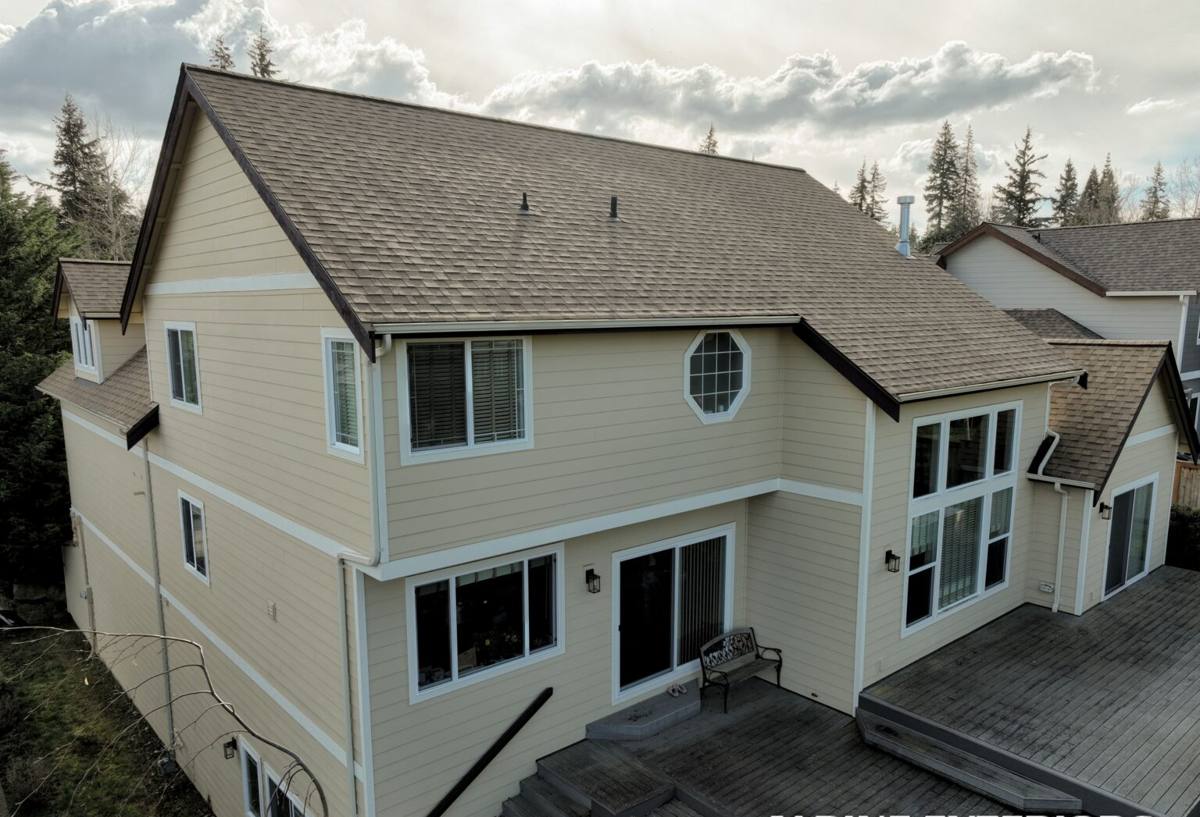
What St. Petersburg's Climate Actually Does to a Roof
Wind
St. Petersburg homes need a roof system engineered for high wind uplift, not just a product that's rated for it on paper. Metal panels themselves are strong, but a metal roof is only as good as its attachment — fastening pattern, clip spacing, and edge detailing all determine whether a roof stays put in a serious wind event or peels back at the eaves and rakes, which is where most wind failures start.
Salt Air
Salt is corrosive to bare or poorly coated metal, and it doesn't take a beachfront lot to be affected — homes well inland from the water still see meaningful salt deposition in this part of Pinellas County. This is why the specific metal alloy, coating system, and even the fastener material matter as much as the panel style you choose.
UV and Heat
Florida sun breaks down cheaper paint finishes over time, leading to chalking, fading, and eventually coating failure that exposes the substrate underneath. It also drives attic temperatures up, which is where a reflective metal finish earns its keep on cooling costs.
Wind-Driven Rain
Rain that comes in sideways during a squall line or tropical system doesn't behave like ordinary rainfall. It gets pushed up under laps, around penetrations, and into any gap in flashing that a calm-weather roof might get away with. Underlayment quality and flashing detail work matter enormously here.
Choosing the Right Metal System for This Area
Not all metal roofing is the same product wearing different colors. The panel profile, gauge, coating, and fastening method all change how a roof performs on a St. Petersburg home specifically.
| Option | Best For | Coastal Consideration |
|---|---|---|
| Standing seam (concealed fastener) | Homes prioritizing wind performance and longevity | No exposed fasteners to corrode or back out over time; best uplift resistance |
| Exposed-fastener panel | Budget-conscious projects, secondary structures | Fasteners need periodic inspection and eventual replacement as gaskets age |
| Aluminum | Homes closer to the water | Naturally corrosion-resistant, does not rust |
| Coated steel (Galvalume or similar) | Most residential applications | Strong and cost-effective, but coating quality and integrity are critical near salt air |
For most St. Petersburg homes, we lean toward standing seam systems with a high-quality coating, because the concealed fastener design removes one of the more common long-term maintenance items on a coastal roof. That said, the right choice depends on the home's structure, budget, and how close it sits to the water — we'll talk through the honest trade-offs rather than push one option.
What Correct Installation Actually Involves
A metal roof is a system, not just a set of panels. Skipping or shortcutting any of the following is where most premature failures on coastal homes originate.
- Deck inspection and repair — any soft, rotted, or delaminated decking gets replaced before a single panel goes down, not covered over.
- High-quality underlayment — a synthetic or self-adhering underlayment rated for high heat and wind-driven moisture, not a builder-grade felt.
- Correct fastening pattern — matched to the home's wind exposure category, not a generic spacing used everywhere.
- Proper flashing at every penetration — vents, chimneys, skylights, and wall transitions are where leaks actually start, far more often than the field of the roof.
- Edge and eave detailing — drip edges and starter strips sized and fastened to resist the uplift forces that hit roof edges first in high wind.
- Ventilation — balanced intake and exhaust airflow so the attic isn't trapping heat or moisture under the new roof.
Our Process for a St. Petersburg Metal Roof
1. On-Site Assessment
We inspect the existing roof deck, flashing points, ventilation, and any signs of past water intrusion before recommending a system. This is also when we talk through panel style, gauge, and coating options based on the home's exposure.
2. Clear, Written Estimate
You get a straightforward breakdown of materials, labor, and scope — no vague allowances that turn into change orders once work starts.
3. Tear-Off and Deck Prep
Old roofing comes off, the deck is inspected, and any compromised sheathing is replaced before anything new goes on.
4. Underlayment and Flashing
This is the layer that actually keeps water out during a wind-driven storm, and it goes down before panels — not as an afterthought.
5. Panel Installation
Panels are installed to the fastening specification appropriate for the home's wind exposure, with attention to consistent seams and clean terminations at ridges, hips, and edges.
6. Final Walkthrough
We walk the finished roof with you, cover care and maintenance basics, and answer any questions about warranty coverage on both material and workmanship.
Cost Factors Homeowners Should Understand
Metal roofing costs more upfront than asphalt shingles, but the comparison isn't quite that simple once you factor in lifespan and storm performance. A few things move the price on a specific St. Petersburg home:
| Factor | Why It Matters |
|---|---|
| Roof complexity | More hips, valleys, and penetrations mean more flashing labor and cut panels |
| Panel material and gauge | Aluminum and heavier-gauge steel cost more but resist corrosion and denting better |
| Existing deck condition | Rotted or undersized decking adds repair cost discovered during tear-off |
| Coating system | Premium coatings resist salt and UV fading longer, extending real-world lifespan |
| Access and pitch | Steep or hard-to-access roofs take longer and require more safety setup |
We'd rather walk a homeowner through these factors honestly than quote a low number that grows once work is underway. Ask us to explain any line item — we'd rather over-explain than have you guessing.
Maintenance That Actually Extends Roof Life Here
Metal roofs are low-maintenance compared to shingles, but "low" isn't "none," especially this close to the Gulf. A simple seasonal routine goes a long way:
- Rinse off accumulated salt and debris a few times a year, especially after dry spells with onshore wind
- Keep gutters and valleys clear so water isn't sitting against panel edges or flashing
- Have fastener and sealant points checked periodically if the system uses exposed fasteners
- After any major storm, have flashing and roof-to-wall transitions inspected even if there's no visible interior leak
- Trim back overhanging branches that can drop debris or scuff coatings during wind events
Why Hire a Crew That Already Works St. Petersburg
Metal roofing installation is unforgiving of shortcuts, and coastal Pinellas County conditions expose bad workmanship faster than they would inland. A crew that regularly works St. Petersburg homes already understands the wind exposure categories that apply here, has relationships with suppliers who stock coastal-grade coatings and fasteners, and has seen firsthand how earlier roofs on similar homes held up — or didn't — over time. That local track record shows up in the details: flashing choices at a roof-to-wall transition, fastener spacing near an eave, the underlayment spec used under the panels. None of that is visible once the roof is finished, which is exactly why it matters who's making those calls during installation.
If you're weighing a metal roof for a St. Petersburg home, we're happy to walk the roof with you, explain what we see, and put together a straightforward, no-pressure estimate — just fill out the form below to get started.