 Seminole Siding
 Metal Roofing in Pinellas Park: Built for What Florida Actually Throws at It
Pinellas Park sits in the middle of a peninsula that takes weather from every direction — hurricane-force wind gusts off the Gulf, relentless UV exposure nearly every day of the year, wind-driven rain that finds every weak seam, and a steady dose of salt air working on metal and fasteners around the clock. A roof here isn't decorative. It's the single biggest thing standing between a home and that combination of forces, and it needs to be treated that way. Metal roofing, installed correctly, holds up to all of it better than most alternatives — but "installed correctly" is doing a lot of work in that sentence. This page covers what metal roofing actually needs to perform in Pinellas Park, what a proper installation involves, and how we handle the job from first estimate to final cleanup.
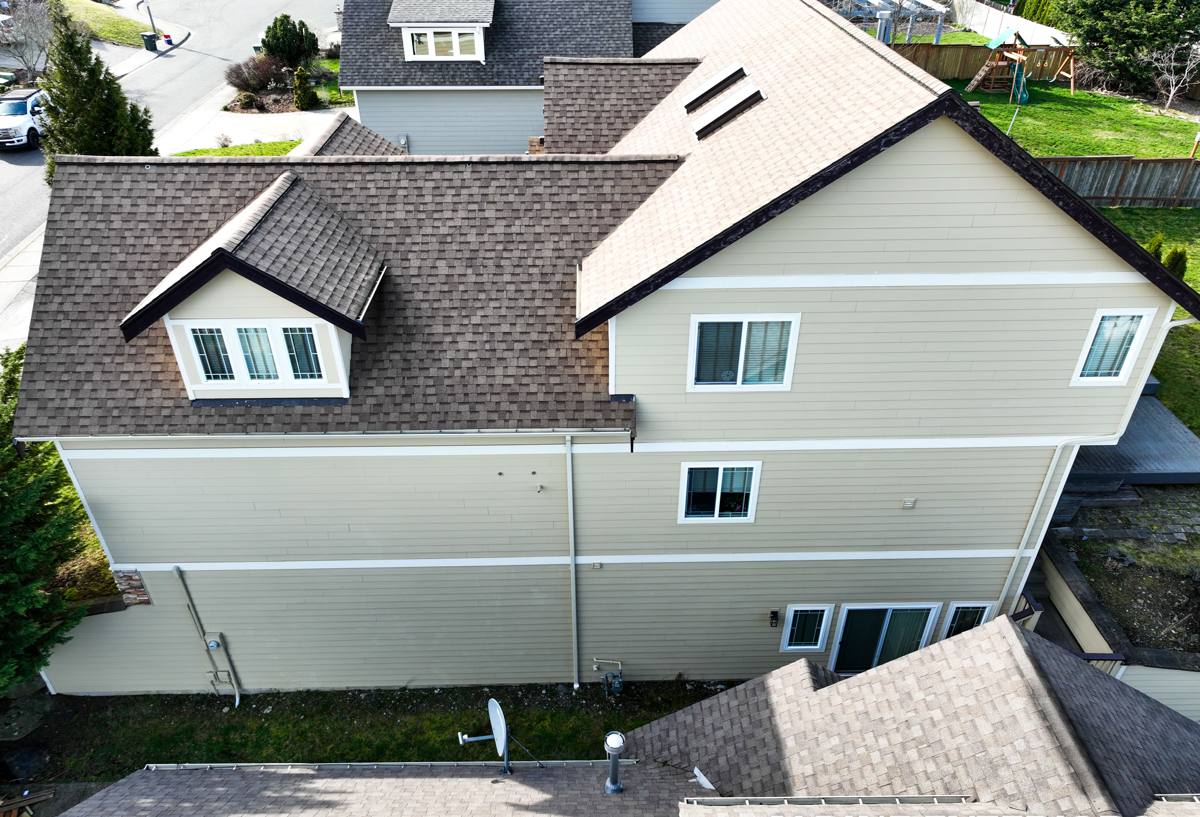
What Pinellas Park's Climate Actually Does to a Roof
Every roofing decision on this page traces back to three environmental stresses that are constant in this part of Pinellas County. Understanding them is the difference between a roof that lasts and one that fails early in ways that were entirely predictable.
Wind
Tropical systems and seasonal storms push sustained winds and gusts through this area most years, and wind doesn't just push on a roof — it pulls. Uplift at the edges, ridges, and corners is what tears roofing systems apart, and it's almost always a fastening or flashing failure, not a failure of the panel or shingle material itself. A metal roof is only as wind-resistant as its weakest attachment point.
UV and Heat
Florida sun is intense and nearly constant, and it doesn't just fade color — it degrades sealants, breaks down cheaper underlayments, and stresses any material that wasn't specified for long-term UV exposure. A roof that looks fine after year one can have underlayment that's already brittle by year five if the wrong product was used underneath the metal.
Salt Air and Moisture
Being close to the Gulf means airborne salt is a constant, low-grade corrosive presence, even well inland from the water. Combined with wind-driven rain that gets forced sideways and upward under poorly lapped seams or loose flashing, this is where fastener quality and coating specification start to matter far more than they would in a drier, inland climate.
Metal Roofing Systems We Install
Not every metal roof is the same product wearing different clothes. The two systems homeowners in Pinellas Park most often choose have real differences in how they're built, fastened, and how they perform in wind and rain. We'll walk through both plainly so you know what you're choosing between.
| Feature | Standing Seam | Metal Shingle / Panel |
|---|---|---|
| Fastening | Concealed clips, no exposed fasteners on the field | Fasteners typically exposed or partially exposed, sealed at installation |
| Wind performance | Very strong when clips and seams are correctly spaced and locked | Strong, but performance depends heavily on fastener pattern and sealing quality |
| Look | Clean vertical panel lines, modern or classic Florida coastal look | Can mimic shingle, shake, or tile profiles |
| Maintenance over time | Very low — no exposed fasteners to re-seal | Exposed fasteners may need inspection and occasional resealing over the roof's life |
| Typical cost tier | Higher upfront | Moderate |
Neither system is "wrong" — the right choice depends on the home's roofline, the homeowner's budget, and how the roof will be detailed at penetrations and edges. What matters more than the product line is whether it's matched to a wind-rated assembly and installed to that assembly's actual specifications, not shortcuts.
What a Correct Metal Roof Installation Involves
Most metal roof problems we get called to fix in this area didn't start with the metal — they started with something underneath it or around it. A correct installation covers four things in order.
Deck Prep and Underlayment
The roof deck gets inspected for soft spots, rot, and proper fastening before anything goes down. Underlayment matters more in this climate than almost anywhere else in the country — it's the last line of defense against wind-driven rain that works its way under seams, and it needs to be a product rated for prolonged heat and UV exposure at the edges where it's briefly uncovered during install.
Fastening and Panel Layout
Panel or shingle layout starts with correct spacing and squaring, then moves to fastening patterns that are actually tightened to wind-uplift requirements — not just "close enough." This is where the difference between a roof that survives a bad storm season and one that doesn't gets decided, and it's the step that's easiest to rush and hardest to inspect after the fact.
Flashing, Penetrations, and Edges
Every pipe boot, vent, valley, and roof edge is a place water wants to get in. Metal roofing depends on flashing details being done right the first time, because metal systems don't forgive a sloppy penetration the way some other roofing materials can mask for a while.
Ventilation
A metal roof over a poorly ventilated attic traps heat and moisture, which shortens the life of the decking underneath and can void manufacturer warranties on the metal itself. Proper intake and exhaust ventilation is part of doing the job right, not an optional add-on.
Wind Ratings, Permits, and Pinellas County Code
Pinellas Park is not in Florida's High-Velocity Hurricane Zone (that designation applies further south, in Miami-Dade and Broward), but Pinellas County still enforces its own wind-uplift and product-approval standards through the building permit process. Any metal roofing system installed here needs to be a tested, approved assembly rated for local wind speeds — not just a metal product that happens to look similar to one that's rated. Permitting also typically requires documentation tying the specific fastening pattern and underlayment to that approval, which is one more reason installation details matter as much as the material itself.
Our Process, Start to Finish
- Free on-site inspection of the existing roof, deck condition, and any problem areas (valleys, penetrations, past leak history)
- Straightforward written estimate covering material choice, wind-rated assembly, and scope — no pressure, no hard sell
- Permitting handled before work starts, matched to Pinellas County requirements
- Tear-off (if needed) and deck inspection, with any rot or soft decking addressed before underlayment goes down
- Underlayment and metal installation following the fastening and flashing specifications for the chosen system
- Final walkthrough and cleanup, including magnetic sweep for stray fasteners and debris removal
Living With a Metal Roof: Maintenance and Longevity
One of the real advantages of a correctly installed metal roof is how little it asks of you afterward. There's no granule loss to worry about, no algae streaking the way some other materials show in humid climates, and standing seam systems in particular have no exposed fasteners to loosen over time. That said, "low maintenance" isn't "no maintenance" — an occasional visual check after major storms, keeping gutters and valleys clear of debris, and having penetrations and sealant points looked at every few years will catch small issues before Pinellas Park's wind and rain turn them into bigger ones.
Why a Crew That Already Works in Pinellas Park Matters
A roofing crew that regularly works this specific area brings something a traveling or out-of-town installer can't match: familiarity with Pinellas County's permitting process, an understanding of how local wind exposure and salt air actually affect material choices here versus inland Florida, and accountability, because we're not leaving the area once the truck pulls away. Seminole Siding Installer works Pinellas Park and the surrounding communities regularly, which means we're not learning the local code requirements or climate demands on your project — we already know them.
Signs It's Time to Consider a Metal Roof
Metal roofing tends to make the most sense for Pinellas Park homeowners in a specific set of situations. A few honest signs it's worth a look:
- Your current roof is approaching or past its expected service life and due for a major repair or replacement anyway
- You've had repeated wind damage or lifted material after storms
- You're tired of the maintenance cycle that comes with some other roofing materials in this climate
- You're planning to stay in the home long-term and want to reduce major roofing costs down the road
- You want a roofing system with strong wind-uplift performance for hurricane season peace of mind
If any of that sounds familiar, it's worth getting a straight answer on whether metal roofing fits your home, your roofline, and your budget. We're happy to take a look and put together a free, no-pressure estimate — use the form below to get started.