 Seminole Siding
 Roof Replacement Built for Redington's Barrier Island Conditions
Redington sits out on the Gulf beaches west of Seminole, on a strip of land that takes weather most inland Pinellas County homes never see at full strength. A roof out here isn't dealing with one seasonal stress — it's dealing with hurricane-force wind events, sun that beats down on the same shingles or tiles twelve months a year, rain that gets driven sideways into flashing and vents during storms, and salt-laden air that never really stops working on exposed metal. Any one of those on its own is manageable. All four at once, on a barrier island roof with direct Gulf exposure, is what actually determines how long a roof lasts and whether it fails quietly or all at once during the next named storm.
This page is about one thing: what a correct roof replacement looks like for a home in Redington specifically, not a generic reroof anywhere in Florida. The material choices, the underlayment, the flashing details, and the fastening pattern all need to answer to this particular stretch of coastline, and that's the standard we hold every replacement to out here.
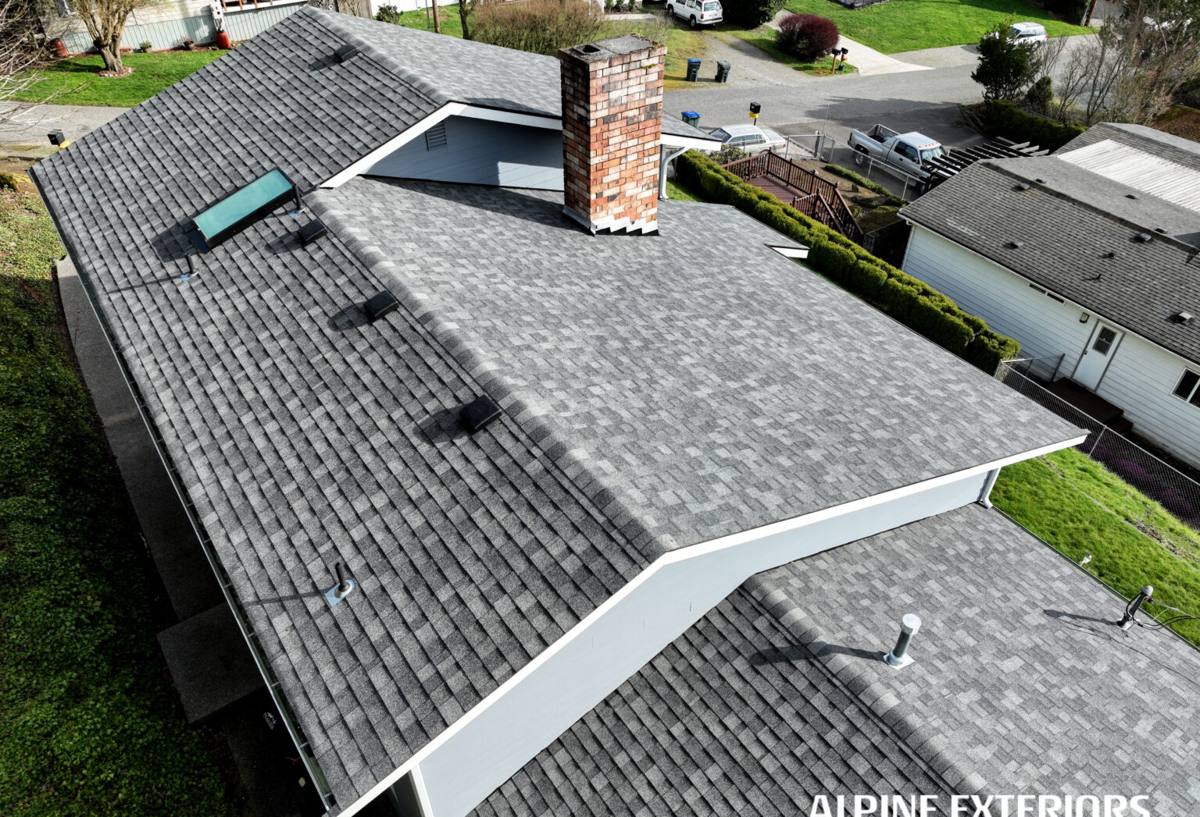
What Redington's Climate Actually Does to a Roof
Hurricane-Force Wind
Wind is the single biggest structural stress a Redington roof faces, and it's not just about the named storms. Sustained onshore wind and gusting squalls put uplift pressure on every shingle tab, tile, and ridge cap year-round, and that pressure is highest at the edges, corners, and ridgelines of the roof — the exact spots where a rushed installation is most likely to cut corners. A roof covering that isn't fastened and rated for this exposure doesn't necessarily fail the first year. It fails a little at a time, with lifted edges and loosened fasteners, until a strong enough gust finally takes advantage of the weak point.
Intense Year-Round UV
There's no off-season for sun exposure on a Gulf-facing roof. Constant UV breaks down asphalt shingle oils, dries out sealant and mastic, and fades or chalks lower-grade roofing materials faster than they'd wear in a more moderate climate. A roof rated for "25 years" in a lab test doesn't necessarily get 25 years out of a Redington roof plane that faces direct sun for most of the day, every day.
Wind-Driven Rain
Storms off the Gulf don't just drop rain — they push it sideways and force it up under shingle tabs, tile laps, and roof-to-wall transitions. That's a different kind of stress than straight-down rainfall, and it's exactly the kind of moisture that finds a gap in flashing or underlayment that a calmer climate would never test. It's also why a roof that looks fine after a light rain can still leak during a real wind event.
Salt Air
Salt-laden air off the Gulf accelerates corrosion on every piece of exposed metal on a roof — fasteners, flashing, vent boots, drip edge. It's a slow, constant process rather than a storm-event problem, and it works whether or not a hurricane ever makes landfall that year. Lower-grade or standard-coating hardware corrodes noticeably faster this close to the water, and a corroded fastener or flashing seam is one of the more common root causes we find when we're called out to a leak that "came out of nowhere."
Signs a Redington Roof Needs Replacement, Not Just a Repair
Roofs rarely fail all at once, and on a barrier island, the warning signs often show up a season or two before a real leak does. Knowing what to look for is often the difference between a planned replacement and an emergency one.
- Multiple past repairs in different areas of the roof, rather than one isolated issue
- Shingles that are curling, cracking, cupping, or losing granules faster than expected for their age
- Cracked, slipped, or missing tiles, or visible movement in the tile field after wind events
- Rusted or visibly corroded flashing, vent boots, or drip edge
- Soft spots in the roof deck, or staining on interior ceilings near valleys, chimneys, or penetrations
- A roof that's approaching or past the manufacturer's rated service life for this climate, not the lab-test number
- Difficulty getting affordable insurance coverage or a wind mitigation credit because of the roof's age or condition
Any one of these on its own might point to a repair. Several of them together, especially on a roof that's already a decade or more old, usually means a full replacement is the more honest answer than another round of patchwork.
What a Correct Roof Replacement Involves
Full Tear-Off and Deck Inspection
We remove the old roofing down to the deck rather than layering over it, because that's the only way to find rot, soft spots, or hidden moisture damage that's been developing underneath — damage that's common on older barrier island roofs that have taken years of wind-driven rain at the edges and penetrations. Any deck damage gets repaired before anything new goes down, not sealed over.
Secondary Water Barrier
A sealed or taped roof deck gives the home a real second line of defense if the outer roof covering is ever compromised during a wind event — a detail that matters a lot more on a Gulf-facing roof than it would further inland. We treat this as a standard part of a Redington reroof, not an upgrade to talk you into.
Underlayment
Synthetic or self-adhered underlayment, rated for wind-driven rain, goes down across the full deck, with self-adhered membrane at eaves, valleys, and other high-risk transitions where water is most likely to find a way in during a storm.
Flashing at Valleys, Walls, and Penetrations
Most roof leaks in this area don't start in the open field of shingles or tile — they start at flashing. Valleys, chimneys, skylights, vent penetrations, and roof-to-wall transitions all need flashing that's properly lapped, integrated with the underlayment, and corrosion-resistant, not caulked over after the fact.
Fastening and Wind Rating
Nail or fastener pattern, count, and placement follow the manufacturer's specification for the wind rating your roof needs to meet — not a faster shortcut method. That's the detail that decides whether a roof covering stays locked down under real gust load or starts lifting at the edges within a few storm seasons.
Ventilation
Balanced intake and exhaust ventilation keeps the underside of the roof deck dry, which extends the life of the roofing material and reduces moisture buildup that can rot decking from below. A roof can look fine from the street and still be shortening its own service life because of poor attic airflow nobody's checked in years.
Choosing a Roofing Material for a Redington Home
There's no single "right" material for every home out here — the right choice depends on the home's structure, budget, and how much long-term maintenance the owner wants to take on.
| Material | Typical Lifespan | Fit for Redington's Coastal Exposure |
|---|---|---|
| Architectural Asphalt Shingle | 20-25 years in this climate | Good value and wide color range; needs a high wind rating and quality underlayment to hold up to Gulf-facing exposure |
| Concrete or Clay Tile | 30-50 years | Strong wind and UV performance; heavier roof structure needs to support the load, and individual tiles can crack from impact or foot traffic |
| Standing Seam Metal | 40-50+ years | Excellent wind uplift resistance and low maintenance against salt air, at a higher upfront cost than shingle or most tile systems |
For a lot of Redington homes, the deciding factor isn't which material performs best in isolation — it's what the existing roof structure was built to carry, and how the budget lines up against the maintenance the owner is willing to keep up with over the decades that follow. We'll walk through the honest trade-offs for your specific home rather than pushing one material for every job.
Permits, Code, and Insurance Considerations
Redington sits within Pinellas County's wind-borne debris region under the Florida Building Code, which sets minimum requirements for wind rating, underlayment, and secondary water barrier on a reroof this close to the coast — these aren't optional add-ons on a barrier island property, they're the baseline. A permitted reroof also means inspections at key stages, which is part of what protects you if a warranty or insurance question ever comes up later.
A new roof is also one of the biggest factors in a home's wind mitigation inspection, which insurers use to set windstorm premiums. Roof covering, roof deck attachment, roof-to-wall connections, and secondary water barrier are all line items on that report, and a correctly built replacement can meaningfully improve the credits a homeowner qualifies for. We build to a standard that holds up to that inspection, not just to the minimum code requirement.
Practical Checklist Before You Sign a Roofing Contract
- Is a full tear-off with deck inspection included, not a layover?
- Does the estimate specify underlayment type, secondary water barrier, and wind rating, not just "new roof"?
- Is flashing work at valleys, walls, and penetrations explicitly written into the bid?
- Is the job permitted and inspected, with the paperwork you'll need for a wind mitigation report afterward?
- Does the contractor carry current Florida roofing licensure, liability insurance, and workers' compensation?
- Does the bid separate the manufacturer's material warranty from the contractor's own workmanship warranty?
Cost Factors for a Redington Roof Replacement
| Factor | What It Affects |
|---|---|
| Roof size and pitch | Material quantity, labor time, and staging or safety requirements |
| Material choice | Upfront cost versus expected lifespan and long-term maintenance |
| Deck condition | Whether rot or soft-spot repair is needed once the old roofing comes off |
| Wind rating required | Fastening pattern, underlayment grade, and material specification for the exposure |
| Flashing scope | How thoroughly valleys, walls, chimneys, and penetrations are addressed |
| Ventilation upgrades | Long-term moisture control and how long the new roof actually lasts |
These are general drivers, not a quote. Two bids for the same Redington roof can come in far apart, and the gap is usually real scope — tear-off versus layover, underlayment grade, flashing detail — not one contractor simply padding a number. We walk the roof in person before putting a real figure on the work, and we're glad to explain, line by line, what's included in ours.
How Our Process Works
- In-person inspection: We get up on the roof and into the attic ourselves rather than estimating from a photo or a satellite view, and document what we actually find.
- Written estimate: A clear, itemized bid covering tear-off, deck repair, underlayment, secondary water barrier, flashing, wind-rated fastening, and cleanup.
- Permitting: We pull the required permit and schedule the inspections that come with it, so the finished roof has the paperwork behind it.
- Scheduling around weather: We build reasonable flexibility into the timeline, since storm-season delays are a normal part of working on the Gulf beaches, not an excuse we reach for later.
- Tear-off and deck repair: Old roofing comes off completely, and any deck damage we find gets addressed before anything new goes down.
- Underlayment, flashing, and roof covering installation: Each layer goes on to manufacturer and code specification, with extra attention at valleys, penetrations, and wall transitions.
- Final walkthrough and cleanup: We review the finished roof with you in person and do a full site and magnetic nail sweep before we call the job done.
Why Hiring a Crew That Already Works Redington Matters
A crew that regularly works roofs on the Redington barrier island has already seen firsthand how salt air corrodes underspecified hardware, how wind-driven rain finds its way through improperly lapped flashing, and which fastening details actually hold up to sustained Gulf wind exposure versus just meeting the code minimum on paper. That's earned knowledge, and it shows up in dozens of small decisions over the course of a job — decisions a crew that mostly works inland might not think to make at all.
It also matters after the job is done. A workmanship warranty is only as good as the company standing behind it years later, and a contractor with an established, ongoing presence on the Pinellas County beaches is one you can actually reach if a question comes up down the road — not a name that's moved on after one storm season of work.
If your Redington roof is showing its age, took a hit in a recent storm, or you're just planning ahead of hurricane season, we're glad to come take an honest, no-pressure look and put a real, itemized number on the work. Use the form below to request a free estimate.