 Seminole Siding
 Board & Batten Siding for Ridgecrest Homes
Ridgecrest sits in one of the more established residential pockets of Seminole, Florida, and it's the kind of neighborhood where board and batten siding shows up a lot — on porch gables, accent walls, garage fronts, and increasingly on full elevations as homeowners update their exteriors. The vertical lines and deep shadow reveals give a house real architectural presence, whether the style is coastal cottage, craftsman, or a more modern farmhouse look. But in Pinellas County, board and batten is also one of the least forgiving siding profiles if it's built with the wrong material or installed loosely. The vertical battens and wide flat panels behind them create more seams, more fastener points, and more surface exposed directly to sun and rain than a standard lap profile. Get the material and the install right, and it's one of the most durable, best-looking options available. Get it wrong, and it's one of the first things to fail on a house.
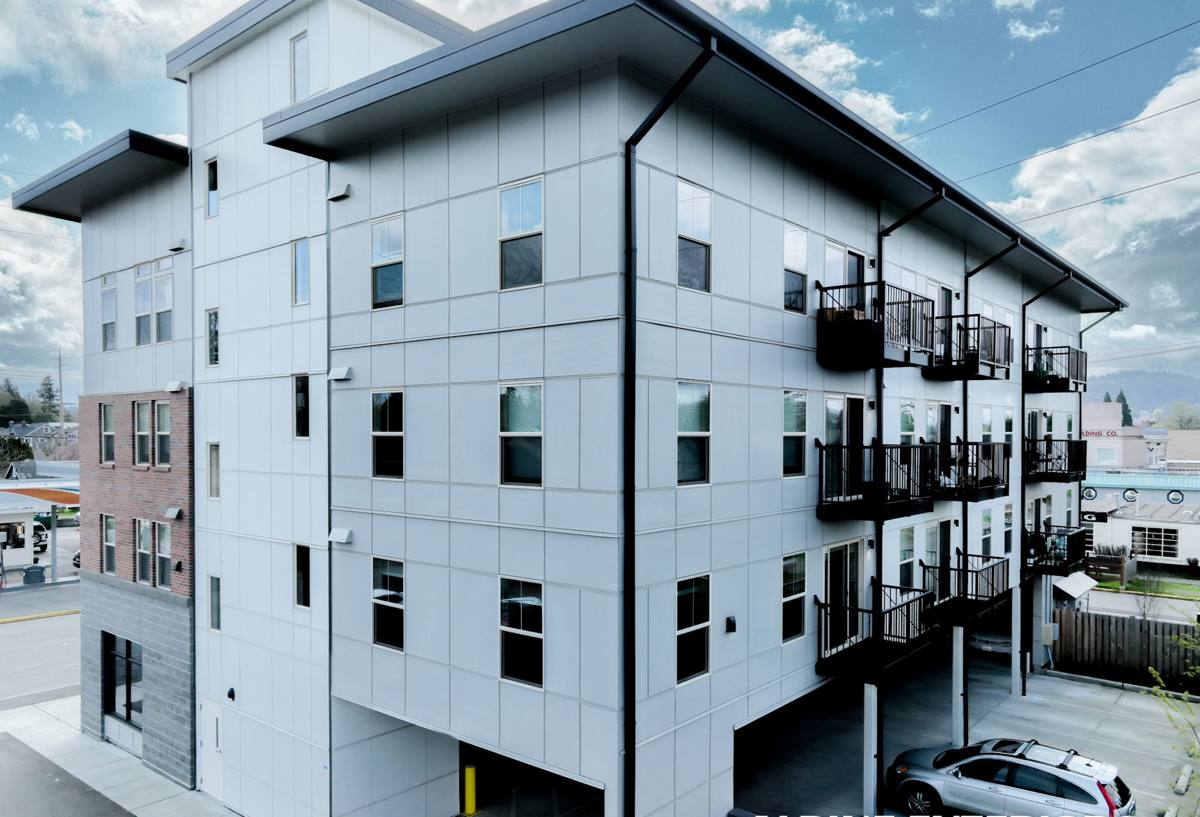
Why This Profile Is Demanding in Seminole's Climate
Seminole sits close enough to the Gulf that salt-laden air is a constant, not an occasional event, and it's paired with intense year-round UV, heavy wind-driven rain during the summer storm season, and the real possibility of hurricane-force gusts. Board and batten siding takes all four of those stresses differently than horizontal lap siding does.
Vertical Seams and Water Path
On a batten profile, water runs straight down the face of the panel and along the batten edges instead of shedding off overlapping horizontal courses. That means every seam, joint, and fastener location along those vertical runs needs correct flashing and sealant detailing, or wind-driven rain will find a way behind the panel over time. This matters more in Ridgecrest during the active tropical season, when rain doesn't fall straight down — it's pushed sideways into the wall.
UV and Panel Face Exposure
Wide flat batten panels expose more continuous surface area to direct sun than narrow lap boards do. Cheaper composite or wood-based products can show fading, chalking, or surface checking on those big flat faces faster than on a lap profile, simply because there's more uninterrupted material catching the sun all day.
Fastener Count and Wind Load
Battens add a second full set of fastener penetrations on top of the base panel. In a wind event, every one of those fasteners is a potential failure point if it's undersized, spaced wrong, or driven into the wrong substrate. Correct batten fastening schedules matter more here than almost anywhere else in the exterior envelope.
What a Correctly Built Board & Batten Wall Includes
A board and batten assembly that's actually built for a Ridgecrest exterior isn't just panels with strips nailed over the seams. It's a layered system:
- A weather-resistive barrier installed and lapped correctly behind the panels, not just stapled up quickly
- Proper flashing at every horizontal transition — window heads, roof lines, and the base of the wall
- Panel joints backed by solid framing or blocking, not floating in open cavities
- Battens fastened on a schedule that matches the panel manufacturer's wind-load engineering for our zone
- Factory-finished material on both the panel and the batten strip, so color and sealing are consistent across the whole assembly
- Correct clearance at the base of the wall to keep the bottom edge away from standing water and irrigation overspray
Skip any one of those steps and the wall might look right for a year or two before problems start showing at the seams.
Why We Use James Hardie for Board & Batten
We install James Hardie fiber cement exclusively, and board and batten is one of the profiles where that decision matters most. Hardie's board and batten systems — available in both vertical panel and individual plank configurations — are engineered as fiber cement from the start, not adapted from a lap product. The panels and battens are non-combustible, dimensionally stable in Florida humidity swings, and finished with Hardie's ColorPlus factory coating, which is baked on and warrantied against fading and peeling far beyond what field-applied paint typically holds up under this much sun.
We won't install board and batten in engineered wood, primed spruce, or vinyl on a Seminole exterior. Engineered wood and primed spruce both rely on paint and caulking to keep moisture out of a profile that already has more seams than a standard lap wall — a maintenance burden that only grows in salt air and wet-season conditions. Vinyl board and batten, meanwhile, is a thin material relying on interlocking track systems that can rattle, bow, or pull loose under sustained hurricane-force gusts, and it doesn't hold color or rigidity the way fiber cement does over a Florida summer.
Comparing Board & Batten Materials for This Climate
| Factor | James Hardie Fiber Cement | Engineered Wood / Primed Spruce | Vinyl |
|---|---|---|---|
| Moisture behavior | Resists swelling and rot; won't absorb water at seams | Absorbs moisture if paint/caulk fails; prone to swelling | Doesn't rot but seams can trap water behind panels |
| UV/fade resistance | ColorPlus factory finish rated for long-term color retention | Field paint fades and chalks faster in intense UV | Can fade and become brittle after years of sun exposure |
| Wind performance | Engineered fastening schedules rated for high-wind zones | Performs adequately if sealed and fastened correctly, but seams are vulnerable | Panels can flex, rattle, or detach under sustained gusts |
| Salt air durability | Fiber cement composition unaffected by salt exposure | Salt accelerates coating breakdown and wood degradation | Generally stable but can become brittle near the coast |
| Maintenance | Occasional wash; repaint only if desired, not required for protection | Regular repainting and caulk inspection required | Low maintenance but limited repair options once damaged |
Our Process for a Ridgecrest Board & Batten Project
Every board and batten job we do in Ridgecrest starts with a walk of the exterior to look at existing siding condition, moisture points, window and door flashing, and any areas where past water intrusion has left a mark. From there:
- Assessment and measurement — we document elevations, note any sheathing or framing issues that need addressing before new siding goes on, and identify where flashing details need special attention
- Material selection — we walk through Hardie's board and batten panel and plank options, reveal widths, and ColorPlus color choices so the finished look fits the house and the neighborhood
- Substrate prep — any damaged sheathing gets replaced, and the weather barrier goes on correctly lapped before a single piece of siding is hung
- Installation — panels and battens go up to Hardie's fastening and clearance specifications, with flashing integrated at every horizontal transition
- Final inspection — we check seams, fastener lines, and clearances before calling the job complete
Why Local Experience in This Neighborhood Matters
Ridgecrest homes share a lot of the same exposure conditions — proximity to the Gulf, mature tree canopy in some areas, similar lot drainage patterns, and the same wind and storm history as the rest of Seminole. A crew that's already worked this neighborhood knows what tends to go wrong here: where irrigation systems typically overspray onto lower wall sections, how afternoon storm patterns hit certain elevations harder than others, and which older homes have sheathing or framing quirks worth checking before new siding goes up. That local pattern recognition doesn't replace a proper inspection, but it does mean fewer surprises once the old siding comes off.
Signs Your Current Board & Batten Siding Needs Attention
- Soft or spongy spots when you press on the panel or batten face
- Visible gapping or separation at the seams between panels
- Peeling, bubbling, or chalking paint, especially on south- and west-facing walls
- Staining or streaking below batten joints after rain
- Battens that feel loose or have visible fastener backing out
- Any soft trim or fascia near the top of the wall where the siding meets the roofline
Catching these early usually means a repair. Waiting on them usually means a full replacement, since moisture that's gotten behind a batten wall tends to spread before it becomes visible from the outside.
What Board & Batten Costs to Consider
Board and batten typically runs somewhat higher than standard lap siding on a per-square-foot basis, mainly due to the added batten material and labor for the extra fastening and detail work. Exact pricing depends on wall complexity, how much of the exterior is getting the treatment (full elevation versus accent areas), substrate condition, and color selection. We provide a firm, itemized quote after seeing the property in person rather than guessing over the phone.
If you're considering board and batten siding for a home in Ridgecrest, we're happy to walk the property, look at what you're working with, and put together a straightforward, no-pressure estimate using James Hardie fiber cement built for what this part of Seminole actually deals with each year.