 Seminole Siding
 Windows Built for the Ridgecrest Climate
Homes in and around Ridgecrest sit in one of the more demanding window environments in the country. You've got intense, near year-round UV exposure baking window frames and glass coatings, wind-driven rain that finds its way through the smallest installation gaps, salt-laden air drifting in off the Gulf that corrodes hardware faster than most manufacturers plan for, and the ever-present risk of hurricane-force winds during storm season. A window that performs fine in a mild inland climate can fail here within a few years if it wasn't selected and installed with this specific combination of stresses in mind.
Energy-efficient windows done right in this part of Seminole aren't just about lowering your electric bill, though that matters. They're about keeping moisture out of your wall cavities, keeping UV from prematurely aging your interior finishes and the window components themselves, and keeping the whole assembly structurally sound when Pinellas County gets hit with tropical weather. Get the product or the installation wrong, and you're not just losing efficiency — you're inviting water intrusion and long-term damage.
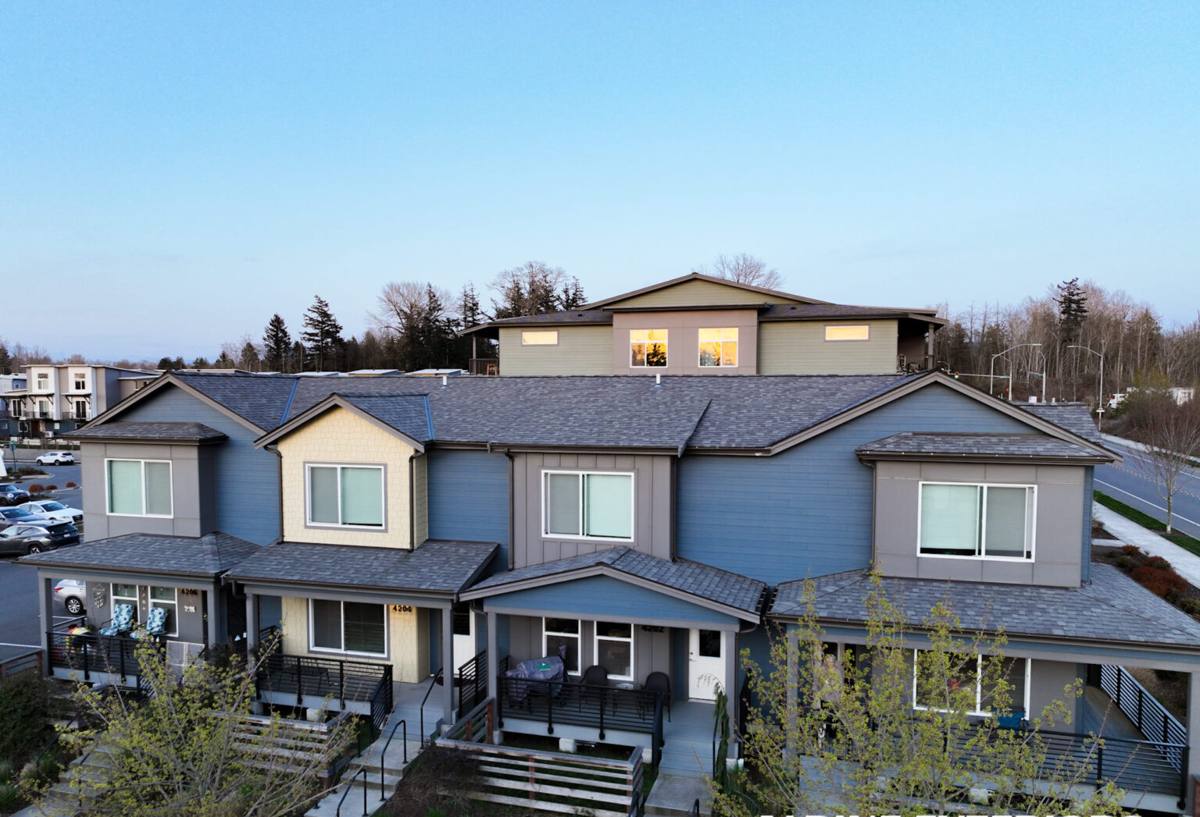
What Ridgecrest Homes Actually Need From a Window
Heat and UV Performance
Florida sun is relentless, and it hits window glass from a low, direct angle for much of the day during parts of the year. Without the right glass package, a window becomes a heat-gain liability — driving up air conditioning costs and fading flooring, furniture, and window treatments from the inside out. Low-E coatings and the right tint or glazing combination cut both heat gain and UV transmission substantially, without making the home feel dark or cave-like.
Wind-Driven Rain Resistance
A lot of water intrusion problems around here don't come from a window leaking straight through the glass — they come from rain being pushed sideways and even upward by wind, finding its way through poorly sealed frame joints or a rough opening that wasn't flashed correctly. This is an installation issue as much as a product issue. The best window in the world will leak if the flashing, sealant, and fastening schedule aren't done to a standard that accounts for wind-driven rain, not just vertical rainfall.
Salt Air and Hardware Corrosion
Even homes that aren't right on the water get salt air drift in this part of Pinellas County. Cheap fasteners, low-grade hinges, and unprotected aluminum components corrode faster than homeowners expect, sometimes within a handful of years. That corrosion isn't just cosmetic — it affects how well a window locks, seals, and operates over time. Hardware and frame material selection should account for this from day one, not get discovered as a problem down the road.
Wind Load and Impact Considerations
Seminole sits in a wind-borne debris region, which means window products and installation methods need to be rated appropriately for the pressures and impact risks that come with hurricane season. This isn't optional upgrade territory for a lot of homes — it's a baseline requirement that shapes which products are even appropriate to install.
What a Correct Installation Actually Involves
Energy-efficient windows are only as good as the opening they're installed into. A high-performance window set into a poorly prepared rough opening will underperform and can fail structurally or let water in, regardless of its factory rating. Here's what we treat as non-negotiable on every job:
- Removing the old window and fully inspecting the rough opening for rot, prior water damage, or framing issues before anything new goes in
- Correcting any substrate problems found — installing over hidden damage just locks the problem behind a new window
- Proper flashing integration with the home's existing water management (housewrap, sheathing, etc.) so water is directed out, not trapped in the wall
- Continuous, correctly rated sealant beads at all critical joints — not a bead here and there where it's convenient
- Fastening to the manufacturer's specified schedule and substrate type, sized for the local wind load requirements
- Shimming and leveling so the window operates smoothly and doesn't rack or bind over time as the house settles slightly
- Interior and exterior trim-out that maintains the weather seal rather than just covering gaps cosmetically
Any one of these steps done poorly can undercut everything else. This is why window installation quality varies so much between crews even when they're installing the identical product.
Our Process for Ridgecrest Window Projects
1. On-Site Assessment
We walk the home, evaluate each window opening individually (they're rarely all in the same condition), and check for existing moisture damage, settling, or framing issues that need to be addressed before installation.
2. Product Selection Based on Exposure
Not every window on a home faces the same conditions. A west-facing window catching afternoon sun all day has different priorities than a covered opening on a shaded side. We factor in sun exposure, wind exposure, and how each window is used before recommending a glass package and frame type.
3. Precise Measurement and Ordering
Undersized or oversized units create installation problems that compromise the seal no matter how skilled the installer is. We measure carefully and account for the specific opening conditions of an older home, which are rarely perfectly square.
4. Removal and Opening Prep
Old units come out carefully to avoid unnecessary damage to surrounding finishes, and we address any substrate issues found before the new window goes anywhere near the opening.
5. Installation to Manufacturer and Wind-Load Spec
Flashing, fastening, shimming, and sealing are done according to the manufacturer's installation instructions and appropriate local wind requirements — not shortcuts based on "how we usually do it."
6. Final Inspection and Operation Check
Every window is checked for smooth operation, proper locking engagement, and a clean, weathertight seal before we consider the job finished.
Comparing Common Window Options for This Climate
| Factor | Standard Double-Pane | Low-E Insulated Package | Impact-Rated Insulated |
|---|---|---|---|
| UV/Heat Reduction | Limited | Strong | Strong |
| Wind-Driven Rain Resistance | Depends heavily on install | Depends heavily on install | Generally higher frame/seal integrity |
| Storm Debris Protection | None | None unless rated | Built in |
| Typical Upfront Cost | Lower | Moderate | Higher |
| Long-Term Value in Coastal Pinellas County | Lower — more exposure risk | Better efficiency, same storm exposure | Best combined protection |
There's no universally "right" answer here — it depends on the home, the budget, and whether the homeowner is also solving for storm protection or focused mainly on comfort and energy costs. We'll walk through the honest trade-offs for your specific situation rather than pushing the most expensive option by default.
Cost Factors Worth Understanding
Window project costs vary widely based on a handful of factors, and it's worth understanding what drives the number before you start comparing quotes:
- Number and size of openings — larger and more numerous windows increase material and labor costs directly
- Glass package — Low-E coatings, gas fills, and impact-rated laminated glass all add cost over basic glazing
- Frame material — vinyl, fiberglass, and aluminum have different price points and different long-term performance in salt air
- Condition of the existing opening — hidden rot or framing damage discovered during removal adds repair cost that's hard to quote sight-unseen
- Access and complexity — second-story windows, unusual shapes, or tight site access affect labor time
We give straightforward, itemized estimates so you can see what you're paying for, rather than a single lump number that hides which choices are driving the cost.
Why a Crew That Knows This Area Matters
A crew that regularly works Seminole and the surrounding Pinellas County neighborhoods has already seen how homes in this specific environment age and where they typically fail. That means knowing which frame materials hold up to salt air over the long haul, understanding how local wind exposure should factor into fastening and sealing decisions, and recognizing early signs of moisture or rot in rough openings before they become bigger problems. It also means being realistic with homeowners about what a given home actually needs, instead of applying a one-size-fits-all approach that might be fine somewhere inland but falls short here.
Local experience also shows up in the small decisions — how a crew sequences work around Florida's afternoon storm patterns, how they protect a home's interior during a multi-window project, and how they communicate timelines honestly when weather causes delays, which it periodically will.
Maintaining Your Windows After Installation
Even a well-installed, high-quality window benefits from basic upkeep in this climate. A few habits go a long way:
- Rinse accumulated salt residue off frames and glass periodically, especially on homes closer to the water
- Inspect exterior caulking and sealant annually and touch up any cracking before the next rainy season
- Keep weep holes (the small drainage openings at the base of the frame) clear of debris so water can exit as designed
- Operate locks and hardware occasionally even on windows you don't open often, so mechanisms don't seize
- Have a professional inspect the seals after any major storm event, even if you don't see obvious damage
None of this is labor-intensive, but skipping it is how small issues turn into bigger ones over a few years.
Get a Straightforward Estimate
If you're weighing your options for energy-efficient windows on a Ridgecrest-area home, we're happy to take a look and give you honest, specific recommendations for your property — no pressure, no inflated upsells. Fill out the form below to schedule a free estimate.