 Seminole Siding
 Siding in Largo: A Different Kind of Job Than Siding Inland
Largo sits close enough to the Gulf and to Boca Ciega Bay that homes here take a different kind of beating than a house forty miles inland. The combination is specific: hurricane-force wind gusts during the active season, intense sun nearly every day of the year, wind-driven rain that gets pushed sideways into wall assemblies, and a steady dose of salt-laden air moving in off the water. None of these things is unusual on its own. Together, and year-round, they add up to a siding job that has to be planned differently than a generic install.
We install siding for homeowners across Seminole and the surrounding Pinellas County communities, and Largo comes up constantly because it shares the same housing stock and the same exposure profile: a mix of older concrete block homes with wood or old fiber-cement siding on gables and additions, and newer construction that's already showing wear faster than the warranty paperwork suggested it would. This page is about what a correct siding installation looks like for a Largo home specifically, not siding in general.
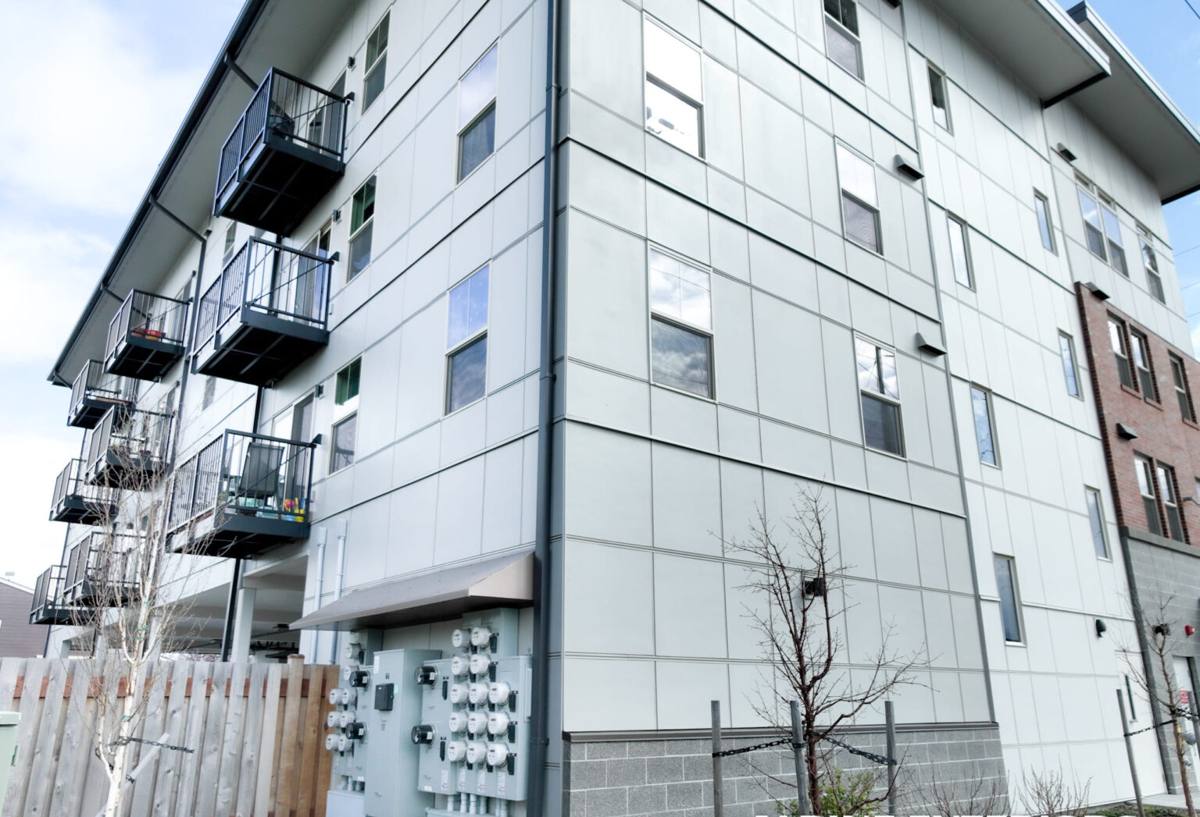
What Largo's Climate Actually Does to Siding
Wind Load
Pinellas County sits in a high-wind coastal zone, and Largo is no exception. Every storm season brings the possibility of sustained tropical-storm or hurricane-force gusts. Siding doesn't usually fail because the material itself blows apart — it fails because it was fastened incorrectly, because starter strips and corners weren't detailed to spec, or because the underlying wall wasn't properly prepped to hold fasteners under repeated wind-load cycling. A panel that looks fine in still air can still be a liability if it wasn't installed to the fastening schedule the product actually requires.
UV Exposure
Florida sun is relentless, and it's not seasonal here the way it is in much of the country. Siding faces near-constant UV exposure twelve months a year. Paint-grade products and site-applied finishes chalk, fade, and break down faster under this kind of exposure than they would in a milder climate. This is one of the biggest reasons factory-applied finishes matter more in Largo than they would somewhere with a real winter.
Wind-Driven Rain
Rain in Largo rarely just falls straight down during a storm — it gets pushed horizontally into walls, seams, and penetrations. That means water management behind the siding (house wrap, flashing, proper lapping, correct clearances) matters as much as the siding itself. A beautiful siding job with a compromised water-resistive barrier underneath is still a future moisture problem.
Salt Air
Largo isn't oceanfront, but it's close enough to the bay and Gulf that airborne salt is a real factor, especially on homes closer to the water or exposed to prevailing onshore winds. Salt accelerates corrosion of fasteners and trim metal and contributes to finish breakdown on materials that aren't built to handle it.
Why We Standardized on James Hardie Fiber Cement
We install one siding system: James Hardie fiber cement, in the HZ product lines engineered for high-humidity, storm-prone climates like ours. We don't install vinyl, LP SmartSide, Cemplank, Allura, primed spruce, or cedar. That's not a marketing line — it's a standard we hold to because of what we see on Gulf Coast homes over time.
Vinyl softens and can deform in sustained high heat and is more vulnerable to wind uplift at the panel edges. Wood and primed wood products need consistent repainting and sealing to survive our humidity and rain exposure, and any lapse in that maintenance shows up fast as swelling, rot, or paint failure. Other fiber cement brands may perform reasonably, but we've built our installation training, flashing details, and warranty relationship around one manufacturer's system, and we'd rather be excellent at one product than average across several. James Hardie's fiber cement is non-combustible, holds a factory-baked ColorPlus finish that resists the fading and chalking our sun causes, and the HZ5 formulation is specifically engineered for climates like Florida's. It also carries a strong transferable warranty that matters if you ever sell the home.
What a Correct Installation Involves in Largo
Substrate and Prep
Before any siding goes up, the wall sheathing gets inspected for rot, delamination, or prior water damage — common on homes that had gaps or failures in their old siding. Any compromised sheathing gets replaced, not covered over. Covering a problem is the single most common shortcut that turns into a callback two years later.
Water-Resistive Barrier and Flashing
A code-compliant house wrap goes on with correctly lapped seams (always shingled so water sheds downward and outward), and flashing gets installed at every window, door, and penetration. Given how much of Largo's rain arrives sideways, this layer does more long-term work than the visible siding itself.
Fastening to Spec
James Hardie publishes specific fastener types, spacing, and clearance requirements for high-wind zones, and those specs exist because of counties exactly like ours. We follow the fastening schedule for our wind zone rather than a generic one, and we use corrosion-resistant fasteners appropriate for coastal-influenced air.
Clearances and Ventilation
Siding needs proper clearance from grade, roofing, and decking — typically several inches — so water doesn't wick up into the bottom edge of the panel. This is a detail that's easy to shortcut and hard to notice until moisture damage shows up behind the wall.
Caulking and Joint Treatment
Butt joints, trim intersections, and penetrations get sealed with a sealant rated for the product and for sustained UV and moisture exposure — not just whatever caulk happens to be on the truck.
Our Process for a Largo Siding Job
- On-site assessment — we walk the exterior, check the current siding and sheathing condition, and note wind exposure, drainage patterns, and any existing moisture issues.
- Written estimate — a clear scope covering product line, color, trim details, and what's included, so there's no ambiguity before work starts.
- Tear-off and sheathing inspection — old siding comes off and the wall is inspected before anything new goes up.
- Repairs as needed — any damaged sheathing or framing gets addressed and documented before we move forward.
- Water barrier and flashing installation — the moisture-management layer goes in correctly, not as an afterthought.
- Hardie panel or plank installation — installed to manufacturer spec for our wind zone, with proper fastening and clearances.
- Trim, caulking, and final detailing — joints sealed, trim finished, site cleaned up.
- Final walkthrough — we go over the finished job with you before calling it done.
Comparing Siding Materials for Largo's Climate
| Material | UV / Fade Resistance | Moisture Behavior | Wind Performance (installed to spec) | Maintenance Burden |
|---|---|---|---|---|
| James Hardie fiber cement (HZ5) | Factory ColorPlus finish, engineered against fading/chalking | Non-combustible, dimensionally stable, doesn't rot | Strong when fastened per Hardie's wind-zone schedule | Low — occasional rinse, repaint on ColorPlus cycle only if desired |
| Vinyl siding | Prone to fading and chalking under sustained sun | Can trap moisture behind panels if not detailed well | More vulnerable to deformation and edge uplift in high heat/wind | Low upfront, but panel replacement common after storm damage |
| Wood / primed spruce / cedar | Requires repainting to resist UV breakdown | Vulnerable to rot and swelling in humid, wet conditions | Performance depends heavily on maintenance state | High — regular painting and sealing required |
| Other fiber cement brands | Varies by manufacturer finish system | Generally durable if installed correctly | Depends on manufacturer's published specs and installer adherence | Moderate — varies by product line |
What Drives the Cost of a Largo Siding Job
| Factor | Why It Matters |
|---|---|
| Sheathing condition | Hidden rot or water damage found during tear-off adds repair scope before new siding goes up |
| Home size and wall complexity | More corners, dormers, and trim detail means more labor and material cutting |
| Product line and profile | Plank vs. panel style, and specific HZ product selected, affects material cost |
| Color and finish | ColorPlus factory finishes vs. field-painted options carry different price points |
| Access and site conditions | Landscaping, fencing, and building height affect labor time |
| Existing siding removal | Full tear-off versus a simpler re-side affects scope and disposal costs |
We give a firm written number after the on-site assessment — we don't quote sight-unseen over the phone, because the sheathing condition alone can change the scope significantly.
Signs a Largo Home Needs New Siding Now
- Soft, spongy, or visibly warped panels, especially near the bottom edges or around window trim
- Paint that's peeling, bubbling, or chalking heavily despite regular upkeep
- Visible gaps, cracking, or separated seams at corners and joints
- Interior signs of moisture — musty smell, staining, or soft drywall near exterior walls
- Siding that's noticeably faded or discolored compared to when it was installed
- Previous storm damage that was patched rather than properly repaired
- Rising energy bills that suggest the wall assembly is no longer performing as insulation
Why Hiring a Crew Already Working in Seminole and Largo Matters
A crew that's currently working homes across Seminole, Largo, and the rest of Pinellas County knows the wind zone requirements without having to look them up mid-job, knows what sheathing condition to expect from the area's housing stock and age range, and has already made the fastening, flashing, and clearance decisions that our climate demands on dozens of similar homes. That's different from a crew that occasionally travels in from another region and treats every coastal detail as a special case. Consistency in these details — the flashing lap, the fastener spacing, the clearance from grade — is what separates siding that holds up through multiple storm seasons from siding that needs attention again in a few years.
We also only install one product system, which means our crews aren't switching between installation methods, fastening schedules, and manufacturer specs from one job to the next. Every Largo job gets the same level of attention to the same set of details, because it's the only system we install.
Keeping Your New Siding Performing Long-Term
- Rinse siding periodically to remove salt residue and airborne grime, especially on homes closer to the water
- Inspect caulking and trim joints once a year, particularly after storm season
- Keep sprinklers and landscaping from spraying directly onto siding long-term
- Address any impact damage (lawn equipment, storm debris) promptly rather than letting it sit exposed
- Watch for any soft spots or discoloration near ground level or under windows
James Hardie's ColorPlus finish is built to reduce how much of this maintenance falls on you, but no siding is maintenance-free in a climate like ours — a little attention once or twice a year goes a long way.
If your Largo or Seminole home's siding is showing its age, or you're planning ahead before the next storm season, we're happy to take a look and give you a straightforward, no-pressure estimate — just fill out the form below.