 Seminole Siding
 Redington Beach Sits Right at the Edge of the Gulf — and Its Siding Knows It
Redington Beach is a barrier island community, which means the exterior of every home there is doing a job most inland houses in Pinellas County never have to deal with. Salt-laden air moves through constantly, sun exposure is intense and nearly year-round, and when a storm rolls in off the Gulf, wind-driven rain hits siding sideways instead of falling straight down. Add in the occasional hurricane-force wind event, and you have a combination of stressors that wears down exterior materials faster than almost anywhere else in the region.
That's why "siding repair" on a Redington Beach home isn't quite the same task as siding repair a few miles inland. The failure patterns are different, the moisture risks are higher, and the margin for a sloppy patch job is thinner. This page covers what local homes actually need from a repair, what a correct job looks like, and why the crew doing the work matters as much as the material.
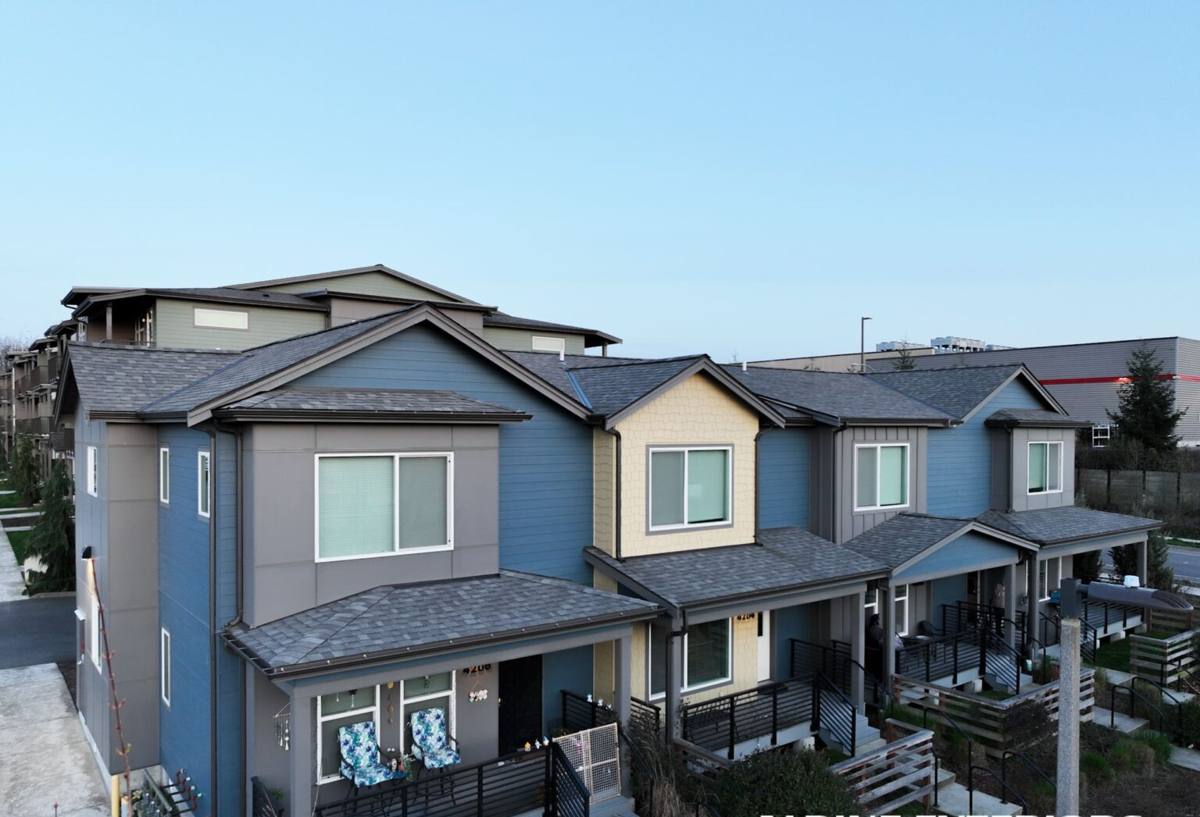
How Salt Air, Sun, and Storm Wind Actually Damage Siding
Salt Air Attacks Fasteners and Finishes Before You See It in the Panels
Airborne salt doesn't just sit on the surface — it works its way into fastener heads, seams, and any place two pieces of trim meet. Over time it accelerates corrosion in metal fasteners and flashing, which is often the real reason a siding panel starts to work loose or a seam starts to open up, even when the siding material itself still looks fine from the street.
UV Exposure Breaks Down Caulk and Paint Long Before It Breaks Down Fiber Cement
Florida sun is hard on anything exposed to it every day. Caulk joints around trim, window returns, and panel seams dry out, shrink, and crack well before a quality siding substrate would ever fail on its own. Once a caulk joint fails, it's an open door for wind-driven rain — which is exactly the next problem on this list.
Wind-Driven Rain Finds Every Gap
Normal rain falls and runs off. Wind-driven rain — the kind Redington Beach gets during tropical systems and even regular Gulf storms — gets pushed sideways and upward, forcing water into laps, seams, and fastener penetrations that were never designed to handle standing water pressure. This is how a small, cosmetic-looking gap turns into rot or moisture damage behind the siding.
Wind Load and Flying Debris
Hurricane-force winds put direct pressure on siding panels and can drive debris into a wall hard enough to crack, chip, or dislodge a section. Even in years without a direct hit, sustained high wind events stress fastening systems and can loosen panels that were installed with inadequate nailing patterns.
Signs a Redington Beach Home Needs Siding Repair
- Cracked, chipped, or punctured panels, especially on the sides of the house facing open water or prevailing wind
- Caulk joints around trim, corners, or window returns that have shrunk, cracked, or pulled away
- Soft or discolored areas near the bottom of walls, around hose bibs, or below window sills — often a sign of moisture getting behind the siding
- Panels that look slightly warped, bowed, or no longer sit flush against the wall
- Visible rust streaks below fastener heads or metal trim
- Paint or finish that's chalking, fading unevenly, or peeling in patches rather than uniformly
- Gaps opening up at seams, corners, or where siding meets window and door trim
Any one of these on its own might just need a straightforward patch. Several showing up together, especially on the same wall, usually points to a moisture or fastening problem underneath that needs to be opened up and checked before anything gets patched over.
Repair or Replace? How We Make the Call
Not every damaged section needs a full re-side, and not every "small" crack is actually small once you look behind it. Our approach is to diagnose before we quote:
- Isolated impact damage (a cracked or punctured panel with no surrounding moisture issue) — usually a straightforward panel-level repair.
- Failed caulk and trim joints with no rot behind them — re-sealed and, where needed, trim is replaced to restore a proper water-shedding detail.
- Moisture intrusion with soft sheathing or framing behind the siding — this isn't a cosmetic fix. The affected siding and any damaged substrate need to come off, the wall needs to dry and be assessed, and the repair has to rebuild the water management layer correctly, not just cover it back up.
- Widespread wear across an entire elevation — repairing panel by panel on a wall that's failing broadly usually costs more over time than replacing that elevation properly. We'll tell you honestly when that's the better financial call.
What a Correct Siding Repair Involves
A repair that just swaps in a new panel over an unaddressed moisture path will fail again — often faster than the original damage took to appear. A correct repair on a coastal Pinellas County home addresses the whole assembly, not just the visible surface:
1. Open It Up and Check the Water-Resistive Barrier
Before any new siding goes on, we check the condition of the weather barrier and flashing behind the damaged area. If water got behind the original siding, there's a good chance it compromised the barrier or the sheathing underneath, and that has to be corrected first.
2. Correct Any Rot or Substrate Damage
Damaged sheathing or framing gets replaced — not painted over, not patched with filler. This is the step that gets skipped in a lot of quick, cheap "repairs," and it's the reason those repairs don't last.
3. Re-Flash and Re-Seal Properly
Flashing at windows, doors, and horizontal trim gets restored to shed water outward and downward, not toward the framing. This matters more in wind-driven rain conditions than it does in calmer inland climates, because the water pressure pushing against these details is higher.
4. Fasten to Spec for Wind Exposure
Fastener type, spacing, and embedment all affect how a panel holds up under wind load. We fasten repairs to the same standard we'd use on a full installation, not a shortcut pattern just to get the piece back on the wall.
5. Match the Existing Siding as Closely as Possible
Where the existing siding is James Hardie with a factory ColorPlus finish, we match profile and color as closely as the product line allows. Where a repair area will always show some difference in finish age, we're upfront about that before starting, not after.
Why We Only Repair and Rebuild in James Hardie Fiber Cement
We're a James Hardie-only siding contractor. We don't install vinyl, LP SmartSide, Cemplank, Allura, or primed wood siding — and that standard shapes how we approach repair work too. When we're opening up a wall on a Redington Beach home, here's what that distinction means in practice:
- Vinyl can look fine and still have deformed or brittle sections from prolonged heat and UV exposure that make clean patch-matching difficult, and it has real limits under high wind loads compared to fiber cement.
- Untreated or primed wood-based products are more vulnerable to the kind of moisture intrusion this climate produces, especially once a coating has aged past its service life.
- Other fiber cement brands may perform reasonably, but we've standardized our crews, fastening specs, and warranty process around one product system so every repair we do meets the same standard as a full installation.
James Hardie's fiber cement is non-combustible, engineered for high-moisture, high-UV climates through its HZ5 product line, and finished with a factory-applied ColorPlus finish that resists fading and holds up to salt air better than field-applied paint. When we repair a section of Hardie siding, we're extending a system that was built for exactly this kind of exposure — not patching a material that was already fighting an uphill battle against the climate.
If your current siding is a different material and it's failing broadly rather than needing a targeted repair, we'll talk honestly about whether patching it is worth it or whether that section of the home is a better candidate for a Hardie replacement down the road.
Our Repair Process, Start to Finish
- On-site inspection. We look at the damage, the surrounding siding, and check for signs of moisture intrusion behind the affected area — not just the panel that's visibly cracked or missing.
- Honest scope and estimate. We tell you whether this is a contained repair or something bigger, and what drives the price either way.
- Careful removal. Damaged siding and trim come off without unnecessarily disturbing sound material around it.
- Substrate and barrier repair, if needed. Any rot, damaged sheathing, or compromised weather barrier gets corrected before new siding goes back on.
- Reinstallation to spec. New siding, flashing, and fasteners go in to the same standard as a full installation — matched as closely as possible to the existing siding.
- Final seal and cleanup. Joints are sealed correctly for this climate's wind-driven rain exposure, and the site is left clean.
What Drives the Cost of a Siding Repair
| Factor | Why It Matters |
|---|---|
| Extent of visible damage | A single cracked panel costs far less to address than damage spread across a wall or elevation |
| Condition behind the siding | If moisture reached the sheathing or framing, that repair adds real cost but isn't optional |
| Height and accessibility | Second-story or hard-to-access areas, common on multi-level coastal homes, take more time and equipment |
| Color and profile matching | Matching an existing ColorPlus finish and panel profile precisely may involve specific product ordering |
| Trim and flashing scope | A repair that also requires new trim or corrected flashing costs more than a siding-only patch, but skipping it invites a repeat failure |
We give a firm, itemized estimate before any work starts, so you know exactly what you're paying for and why — not a vague number that grows once the wall is opened up.
A Quick Checklist Before You Hire Anyone for This Job
- Do they inspect behind the damaged siding before quoting, or just quote off what's visible from the ground?
- Do they explain what caused the damage, or just offer to cover it up?
- Will they replace any rotted sheathing or framing they find, not just patch around it?
- Can they match your existing siding's profile and finish, or will the repair area stand out permanently?
- Do they carry proper insurance and are they comfortable putting the scope of work in writing?
- Have they worked on barrier island or immediate coastal properties before, where wind and salt exposure are more severe than average?
Why Local Experience in Redington Beach Specifically Matters
A contractor who mostly works farther inland in Pinellas County may not think twice about corrosion-resistant fastener choices, extra attention to flashing at wind-exposed corners, or the faster breakdown of caulk and finishes this close to open Gulf water. A crew that regularly works Redington Beach and the surrounding barrier island communities builds those details into every repair by default, because the consequences of skipping them show up faster here than almost anywhere else in the county.
That local pattern recognition is also what keeps a repair from turning into a return visit. Knowing which details fail first on a home exposed to constant salt air and direct Gulf wind means we address those details proactively during the repair, not after they've caused a second round of damage.
Get a Straight Answer on What Your Siding Needs
If you're looking at cracked, discolored, or loosening siding on a Redington Beach home, the honest first step is a proper inspection — not a guess from the driveway. We'll tell you plainly whether you're looking at a contained repair, a larger fix, or a candidate for replacement, and what it will take to make it hold up against this stretch of coast. Reach out for a free, no-pressure estimate using the form below.