 Seminole Siding
 Asphalt Shingle Roofing on a Barrier Island
Treasure Island sits on a narrow strip of sand between the Gulf and the Intracoastal Waterway, and that location changes what a roof has to survive. Homes here take on more than a typical inland Pinellas County property: salt-laden air moving off the water, near-constant sun exposure, and wind loads that spike hard during tropical systems. An asphalt shingle roof can absolutely handle that environment, but only when it's specified, installed, and maintained with those conditions in mind. A roof that would perform fine a few miles inland in Seminole can fail early on Treasure Island if it was installed to a generic standard instead of a coastal one.
This page covers what asphalt shingle roofing means specifically for Treasure Island properties — the wear patterns we see, the materials and details that matter most, and how we approach the job when we're working this close to the water.
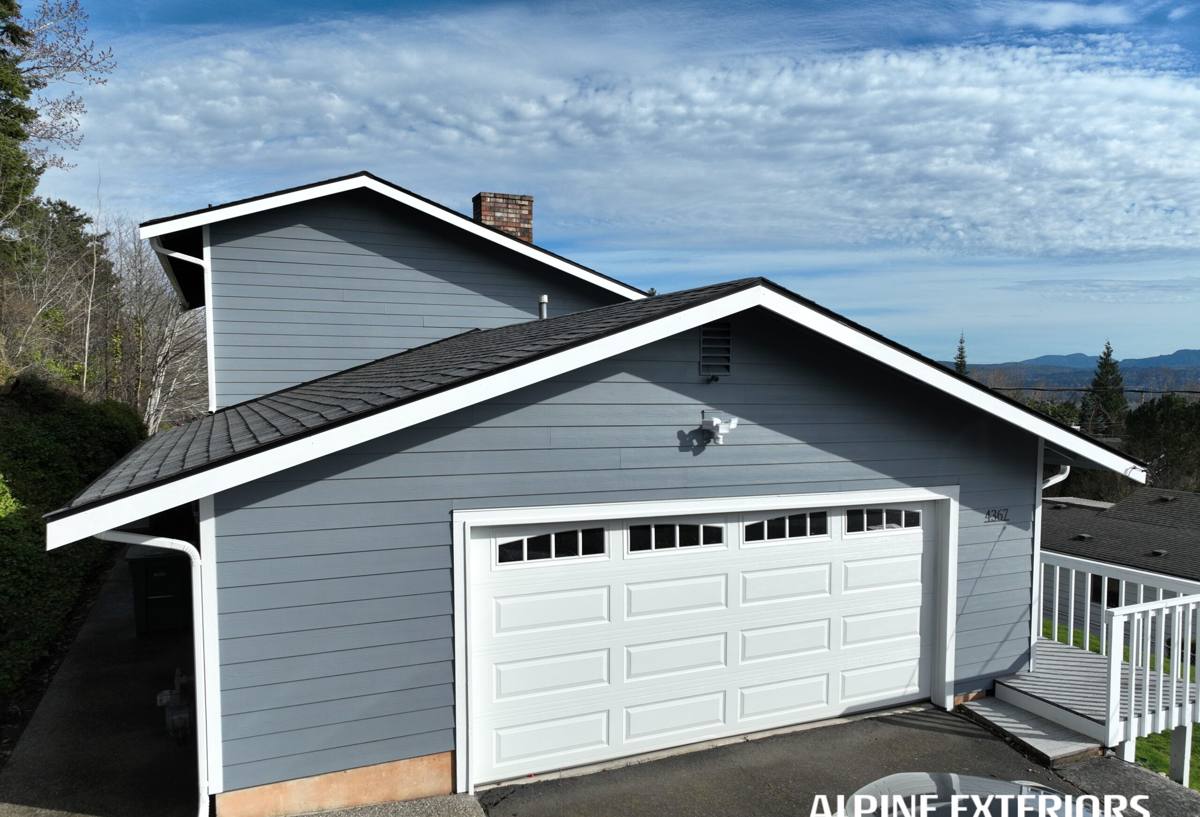
What the Coastal Environment Does to a Shingle Roof
Salt Air and Corrosion
Salt in the air doesn't just affect metal railings and pool cages — it settles on roofing components too. Nails, flashing, drip edge, and vent housings are all exposed to airborne salt, and lower-grade fasteners or flashing metals corrode faster here than they would inland. Corroded fasteners lose holding power, and corroded flashing develops pinholes that let water in long before the shingles themselves show any wear.
Wind Exposure
Being this close to open water means fewer windbreaks and more direct exposure during storms. Wind doesn't just push on a roof, it gets underneath edges and shingle tabs and pries upward. The first shingles to go are almost always at the perimeter — eaves, rakes, and ridge — which is exactly why edge detailing and fastening pattern matter more here than material choice alone.
UV and Heat
Florida sun is intense everywhere, but a beachfront roof gets reflected heat and glare off the water in addition to direct exposure. That accelerates the breakdown of asphalt oils in the shingle mat over time, which is what eventually leads to granule loss, brittleness, and cracking.
Wind-Driven Rain
During storms, rain here rarely falls straight down — it's pushed sideways under wind pressure. That means water finds its way into gaps and laps that would stay dry in a calm rain. Underlayment quality and flashing details end up mattering as much as the shingle itself when wind-driven rain is a regular part of the weather pattern.
What a Correct Installation Looks Like Here
A shingle roof done right for Treasure Island isn't a different product line — it's the same asphalt shingle system installed with coastal-specific attention to the details that fail first in this environment.
- Shingles rated for high wind speeds, with a manufacturer-specified nailing pattern actually followed (not just "close enough")
- Corrosion-resistant fasteners and flashing metals suited to salt air exposure, not standard-grade materials
- A synthetic underlayment as full secondary water protection, not just a code-minimum layer
- Sealed, reinforced edge details at eaves and rakes, since that's where wind uplift starts
- Proper ridge and soffit ventilation, so heat and moisture don't build up under the deck in a climate that offers no real "cool season" relief
- Flashing at every penetration and wall intersection checked and replaced as needed, not just reused from the old roof
None of these are exotic upgrades. They're standard best practice that happens to matter a lot more on a barrier island than it does a few miles inland — which is also why they're the first things skipped by a crew that doesn't normally work this close to the water.
Repair, Recover, or Full Replacement
Not every roof on Treasure Island needs full replacement, and we don't default to recommending one. Here's how we think through the decision:
| Situation | Typical Approach | Why |
|---|---|---|
| Isolated wind or storm damage on an otherwise sound roof | Targeted repair | Deck and underlayment are still good; no reason to replace the whole system |
| Widespread granule loss, brittleness, or shingles curling at edges | Full replacement | The mat has aged out; patching won't stop the next failure |
| Roof is mid-life but flashing or edge details were done poorly originally | Flashing and edge repair, reassess timeline | Fixing the weak points can extend the roof's usable life without a full tear-off |
| Roof is near or past its expected lifespan and has storm exposure history | Full replacement | Coastal wear shortens the safe margin for pushing an aging roof further |
We inspect before we quote, and we tell you honestly which category your roof falls into — including when a repair is the right call even though a replacement would be the bigger job for us.
Our Process for Treasure Island Jobs
Inspection First
We start on the roof, not from a photo or a satellite estimate. We check the deck condition, flashing, ventilation, and the perimeter details that tend to show coastal wear first, and we walk you through what we find in plain terms.
Straightforward Scope and Pricing
You get a written scope that spells out materials, fastening approach, flashing work, and ventilation — not just a single lump-sum number. If there's a range depending on what we find once the old roofing comes off (deck condition is the usual variable), we explain that upfront rather than surprising you mid-job.
Access and Logistics on the Island
Treasure Island properties often come with tighter lots, limited staging space, and closer proximity to neighbors than a typical inland job. We plan material staging, dumpster placement, and daily cleanup with that in mind so the job doesn't spill over onto neighboring property or block access on narrow streets.
Cleanup and Final Walkthrough
Nail and debris cleanup matters everywhere, but it matters more on a barrier island property near sand, pool decks, and pavers. We do a magnetic sweep and a final walkthrough with you before we consider the job done.
Why Local Coastal Experience Matters
Anyone with a nail gun can install shingles. The difference on Treasure Island shows up years later, in the details that don't get attention from a crew that mostly works inland jobs: fastener grade, flashing metal choice, edge sealing, and ventilation sized correctly for a hot, humid, salt-exposed environment. A crew that regularly works Pinellas County's beach communities has already seen what fails first out here and builds around it as standard practice, not as an afterthought.
We also know the practical side of working this close to the Gulf — weather windows during storm season, HOA or condo association coordination that's more common on the barrier islands, and the realities of tighter lots and limited staging space. That local familiarity translates into fewer surprises and a roof that's actually built for where it sits, not just built to code minimums.
Maintaining a Shingle Roof on Treasure Island
Coastal asphalt shingle roofs benefit from a little more attention than inland roofs, not a lot more:
- A visual check after any significant wind event, focusing on the eaves, rakes, and ridge
- Keeping gutters and valleys clear so wind-driven rain has somewhere to go
- Rinsing off accumulated salt residue and debris periodically, especially on lower-slope sections
- Having flashing and sealant at penetrations checked every few years rather than waiting for a leak to show up inside
- Confirming attic ventilation isn't blocked, since heat buildup accelerates shingle aging faster in this climate than in milder ones
None of this requires a maintenance contract or constant attention — it's a short seasonal habit that catches small issues before they become interior damage.
What Homeowners Should Ask Before Hiring
Given how much the coastal environment affects long-term performance, it's worth asking any roofing contractor a few direct questions before signing a contract for Treasure Island work:
- What fastener and flashing materials do you use, and are they rated for salt air exposure?
- What wind rating is the shingle product, and will the nailing pattern match the manufacturer's high-wind specification?
- How do you handle ventilation, and will you inspect the existing setup rather than just reinstalling what's there?
- Do you carry the licensing and insurance required to work in Pinellas County, and can you provide proof?
- What's included in the written warranty, and what specifically voids it?
A contractor who answers these plainly and specifically, without vague reassurances, is one who actually thinks about coastal performance rather than treating every roof the same.
Get a Straightforward Estimate
If you're dealing with storm damage, an aging roof, or just want an honest read on where your roof stands, we're glad to take a look. The estimate is free, there's no pressure to commit, and you'll get a clear explanation of what we find and what your real options are — use the form below to get started.