 Seminole Siding
 Decking Built for a Barrier Island, Not Just "Florida"
Treasure Island sits right on the Gulf, and that changes what a deck actually needs to survive. A composite deck built the same way you'd build one in a landlocked suburb will show it within a couple of seasons out here — fasteners bleeding rust, boards fading unevenly, railing hardware seizing up. We treat Treasure Island decking as coastal work first and Pinellas County work second, because the salt air off the Gulf is the variable that separates a deck that looks good at year one from one that still looks good at year eight.
This page is specifically about composite decking for homes in and around Treasure Island. We're not going to rehash generic decking advice — we're going to walk through what this material needs to do differently this close to the water, how we actually build it, and what to check before you hire anyone to do it.
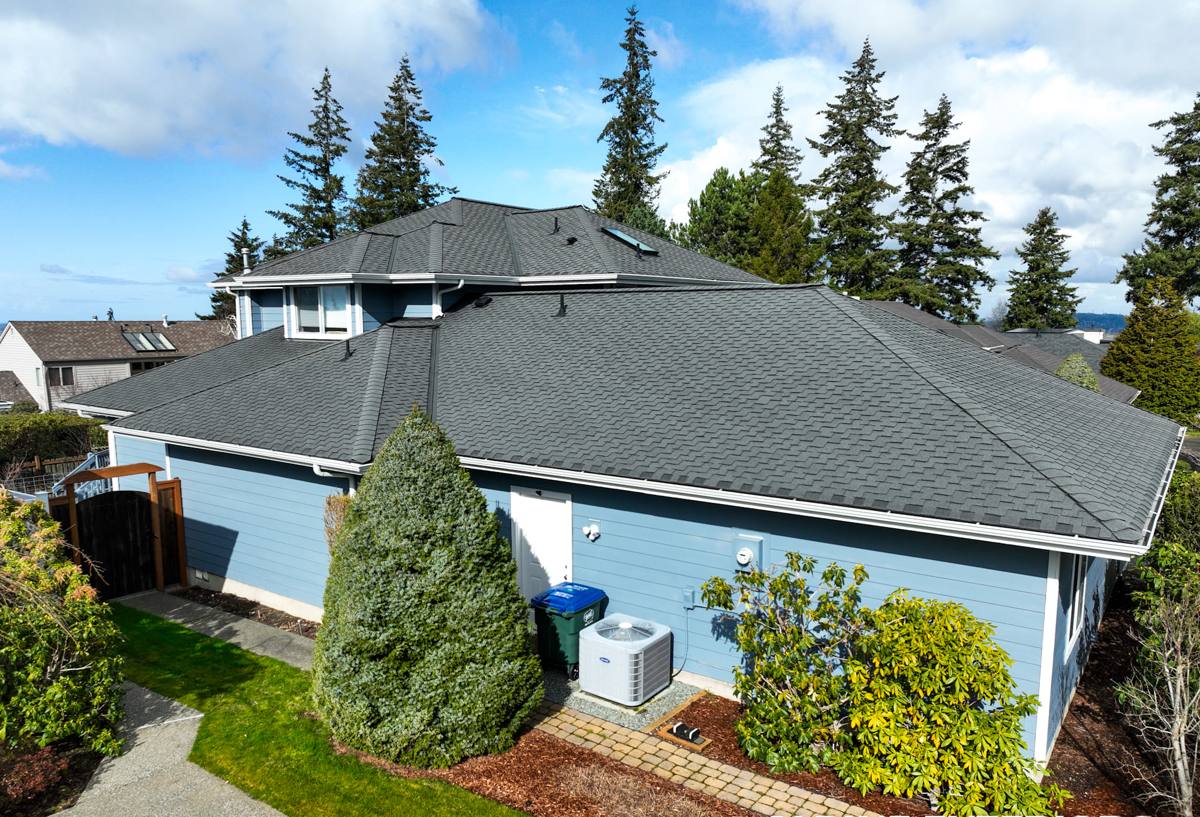
What Salt Air, Sun, and Storms Do to a Deck Out Here
Three things wear on a deck in this part of Pinellas County, and they compound each other:
- Salt air corrosion — airborne salt settles on every exposed surface and accelerates corrosion on fasteners, brackets, and railing hardware far faster than it would inland. Standard coated deck screws are not enough this close to the Gulf.
- Intense, near year-round UV — composite boards are engineered to resist fading, but not all capping and color formulations resist it equally. Cheaper or older-generation composite products can chalk, fade unevenly, or lose surface texture faster under Florida sun than their warranty literature suggests.
- Wind-driven rain and moisture cycling — a deck here gets soaked, dries out, gets soaked again, sometimes several times a week. The substructure and every fastening point has to handle that cycling without trapping water, because trapped moisture is what causes rot in the framing underneath a perfectly good-looking composite surface.
None of this means composite decking is a bad choice for Treasure Island — it's actually one of the better choices, since it doesn't rot or splinter the way wood does. It means the installation details matter more here than they would somewhere with a milder climate.
Why Installation Quality Matters More on a Barrier Island
Composite boards themselves are fairly consistent — the manufacturer controls the material. What's inconsistent is the framing underneath, the fasteners used, the spacing, and the flashing at the house connection. Those are all installer decisions, and on a barrier island exposed to Gulf weather, a shortcut that would be a minor issue in an inland neighborhood becomes the reason a deck fails early here.
The Ledger Board Connection
Where the deck attaches to the house is the single most important structural detail on any deck, and it's the spot most likely to be done wrong. It needs proper flashing to keep water from getting behind the ledger board and into the house's wall framing, and lag bolts or through-bolts rated for the load — not just nailed on. Wind-driven rain off the Gulf finds any gap in this connection eventually.
Fasteners and Hardware
We use stainless steel or coated fasteners rated for coastal exposure, not the standard hardware that comes bundled with a big-box framing package. This is one of the cheapest parts of a deck by material cost and one of the most consequential if it's wrong — a rusted-out joist hanger or corroded post bracket is a structural problem, not a cosmetic one.
Substructure Spacing and Ventilation
Composite boards need tighter joist spacing than solid wood in many cases, because they can flex differently under load and heat. We follow the manufacturer's span tables for the specific board profile being installed, not a generic "16 inches on center" assumption carried over from wood framing. We also make sure there's airflow underneath the deck so moisture doesn't sit trapped against the framing after a storm.
Our Process for a Treasure Island Composite Deck
- On-site assessment — we look at the existing structure (if there is one), grade and drainage around the footprint, proximity to the water, and sun exposure across the day.
- Framing plan — post spacing, footing depth, and joist layout sized to the board manufacturer's coastal-exposure specifications, not just code minimums.
- Ledger and flashing detail — proper flashing at the house connection before any decking goes down, since this is the hardest thing to fix later.
- Fastener and hardware selection — stainless or coastal-rated hardware throughout, including hidden fastener systems where the board profile supports them.
- Board installation — correct gapping for thermal expansion, which matters more here given the temperature swings between a hot afternoon and a cooler evening off the water.
- Railing and edge details — railing posts anchored into the framing itself, not just through the deck boards, and edge fascia installed to hide cut ends and fastener heads.
- Final walkthrough — we check board spacing, fastener seating, and railing rigidity with you before we call it done.
Comparing Decking Approaches for This Climate
| Factor | Standard Wood Deck | Composite Deck (Standard Build) | Composite Deck (Coastal-Detailed Build) |
|---|---|---|---|
| Fastener corrosion risk near Gulf salt air | High over time | Moderate | Low — coastal-rated hardware used throughout |
| UV fading / surface wear | Requires regular refinishing | Some fading possible with lower-grade boards | Minimized with quality capped boards and correct board selection |
| Moisture handling at substructure | Depends heavily on maintenance | Framing can still trap moisture if under-ventilated | Framing ventilated and flashed to shed water |
| Ongoing maintenance | Sanding, staining, sealing every 1-2 years | Periodic cleaning | Periodic cleaning |
| Typical structural lifespan here | Shorter without diligent upkeep | Solid if installed correctly | Longest, because the failure points (hardware, ledger, ventilation) are addressed up front |
The point of this table isn't to sell fear about "standard" installs — it's to show that the material choice (composite vs. wood) matters less than the installation details when you're this close to the Gulf. A composite deck built without coastal-specific attention to hardware and ventilation can still end up with the same underlying problems as a poorly maintained wood deck, just hidden under a surface that looks fine.
Choosing a Board: What Actually Matters
Not every composite board is built the same way, and homeowners are often sold on brand names without a clear explanation of what's actually different. A few things worth understanding before you pick a product:
Capped vs. Uncapped Composite
Fully capped boards have a protective polymer shell wrapped around the wood-plastic composite core, which resists moisture absorption and staining far better than uncapped or partially-capped boards. In a high-moisture, high-UV environment like this one, we generally steer homeowners toward fully capped products — the extra upfront cost is usually worth it given how much more exposure this location sees compared to inland installs.
Color and Heat
Darker composite colors get noticeably hotter underfoot in direct Gulf sun than lighter colors. This is a comfort issue as much as a durability one — we talk through color choice with homeowners who plan to use the deck barefoot in summer, since it affects daily usability more than most people expect going in.
Board Profile and Grip
Grooved-edge boards (for hidden fastener systems) versus solid-edge boards each have trade-offs in cleaning and surface texture. Wind-driven rain means this deck will get wet often, so slip resistance is worth weighing alongside appearance.
A Practical Pre-Project Checklist
Before signing a contract for composite decking on Treasure Island or anywhere along this stretch of the Pinellas coast, it's worth confirming the following with any contractor you're considering:
- Are fasteners and structural hardware rated for coastal/salt-air exposure, specifically named in the estimate?
- Is the ledger board flashing detail explained, not just assumed?
- Is the framing spec matched to the specific composite board's span tables, not a generic wood-framing layout?
- Is there a plan for ventilation under the deck, especially if it sits low to the ground?
- Does the estimate specify capped vs. uncapped board, and which manufacturer warranty applies?
- Is there a written scope covering permits, inspections, and cleanup?
Permitting and Local Considerations
Decking projects in Pinellas County, including Treasure Island, typically require permitting and inspection, and elevation or flood-zone considerations can come into play this close to the water. We handle the permitting process as part of the job rather than leaving it to the homeowner to sort out, and we build to pass inspection the first time rather than treating the inspector as an obstacle.
Why a Local Crew That Already Works This Area Matters
A contractor who works Treasure Island and the surrounding barrier islands regularly has already seen which fasteners hold up here and which don't, which framing details fail after a couple of storm seasons, and how the permitting process runs in this jurisdiction. That's not something a crew coming from well inland picks up on the first job — it's the difference between a deck that's built to code and one that's built for this specific environment. We'd rather build it right the first time than come back in three years to explain why the hardware corroded.
If you're weighing composite decking for a Treasure Island property, we're happy to walk the site, look at what you're working with, and give you a straight answer on what it'll take — no pressure, no upsell. Use the form below to request a free estimate.