 Seminole Siding
 Asphalt Shingle Roofing Built for Belleair's Coastal Climate
Belleair sits close enough to the water that every roof on it is doing double duty: shedding heavy rain during summer storms and standing up to salt-laden air and sun exposure the other nine months of the year. A shingle roof installed the way it's installed inland doesn't hold up the same way here. We install and repair asphalt shingle roofs for homes in and around Belleair and Seminole, and this page covers what actually matters for this specific location — not a generic rundown of shingle roofing in general.
Asphalt shingles remain the most common roofing material in Pinellas County for good reason: they're proven, repairable, available in wind-rated products that meet Florida Building Code, and priced within reach for most homeowners. The difference between a roof that lasts and one that fails early almost never comes down to the shingle brand. It comes down to wind rating selection, underlayment choice, fastening pattern, ventilation, and flashing detail — the parts of the job that don't show up in a walkthrough but decide whether the roof survives the next named storm.
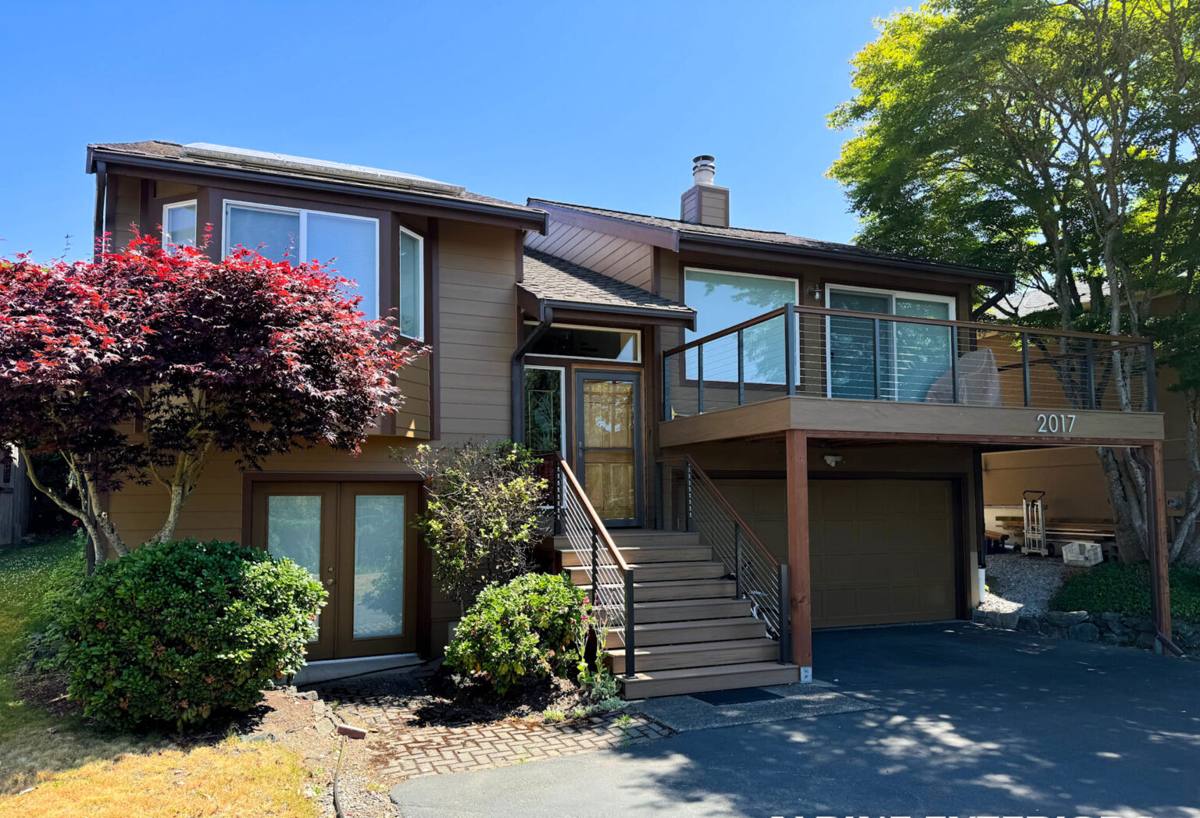
What This Climate Actually Does to a Roof
Four things wear on Belleair and Seminole roofs harder than they do further inland, and a correct installation accounts for all four, not just the ones that are easy to point at.
Hurricane-Force Wind
Wind uplift is what tears shingles off — not the storm's rain. Uplift forces concentrate at roof edges, ridges, and corners first, which is why those areas need tighter nailing patterns and starter strip detail, not just a higher-rated shingle in the field of the roof.
Year-Round UV Exposure
Central Florida sun is intense for most of the year, not just summer. UV breaks down the asphalt in shingles over time, drying out the mat and causing granule loss. Roofs here age faster under sun exposure than the same product would in a northern climate, which is part of why manufacturer warranties often assume conditions this area doesn't have.
Wind-Driven Rain
Rain that comes in sideways during a storm doesn't behave like normal rainfall. It can drive up under shingle tabs and find its way past standard underlayment at valleys, penetrations, and edges. This is a flashing and underlayment problem more than a shingle problem, and it's where a lot of leaks that "shouldn't happen" actually start.
Salt Air
Proximity to the Gulf means metal components — flashing, nail heads, vent stacks, drip edge — corrode faster than they would inland. A roof built with the wrong metal, or metal that isn't properly coated, can develop leaks around penetrations years before the shingles themselves are worn out.
What a Correct Installation Involves
A shingle roof is a system, not a single product. Every layer has to be right for the roof to perform as a whole. Here's what we consider non-negotiable for a Belleair installation:
- Wind-rated shingles matched to the current Florida Building Code wind speed requirements for this part of Pinellas County — not whatever rating happens to be in stock
- Enhanced or sealed underlayment (not just standard felt) as a second line of defense against wind-driven rain
- Corrosion-resistant metal flashing and drip edge at every valley, wall, and penetration
- A nailing pattern that meets or exceeds manufacturer and code requirements, with extra attention at eaves, rakes, and hips
- Balanced intake and exhaust ventilation so heat and moisture don't get trapped under the deck
- Proper starter strip and ridge cap installation — two details that get rushed on low-bid jobs and are the first place wind failure starts
None of this is exotic. It's the difference between following manufacturer installation instructions to the letter and doing "close enough" work that looks the same on the day it's finished.
Shingle Options for Belleair Homes
Most homeowners in this area are choosing between a handful of shingle categories. The right one depends on budget, the home's roof pitch and exposure, and how long you plan to be in the home.
| Shingle Type | Typical Wind Rating | Best For | Trade-Offs |
|---|---|---|---|
| 3-Tab (standard) | Lower end of code-compliant range | Budget-conscious re-roofs, rental properties | Shorter lifespan in this climate; less impact resistance |
| Architectural / Dimensional | Higher wind ratings available | Most owner-occupied Belleair and Seminole homes | Higher upfront cost than 3-tab; worth it for durability |
| Impact-Resistant (Class 4) | High wind and impact rated | Homes seeking insurance premium credits | Highest material cost; not always available in every color line |
We'll walk through which category fits your roof during the estimate rather than steering everyone toward the same product. A steep, heavily shaded roof has different needs than a low-slope roof in full sun, even on the same street.
How Our Process Works
The process for a Belleair re-roof or new installation follows the same order every time, because skipping steps or doing them out of order is where problems get built in permanently.
- Inspection and estimate. We look at the existing roof, deck condition, ventilation, and any signs of past leaks before quoting anything.
- Tear-off and deck evaluation. Old material comes off down to the deck so we can check for rot or soft spots — problems that can't be seen or fixed over an existing layer.
- Underlayment and flashing. This is installed before a single shingle goes down, because it's the layer that actually keeps water out if a shingle is ever damaged.
- Shingle installation. Installed to manufacturer specification with wind-appropriate nailing, starting at the eave and working up.
- Ridge, hip, and penetration detail. The parts most likely to fail in a storm get the most attention, not the least.
- Final walkthrough. We review the finished roof and ventilation with you before calling the job done.
Permitting and inspection requirements apply to roofing work in Pinellas County, and we handle that as part of the job rather than treating it as optional paperwork.
Ventilation and the Details That Get Skipped
Attic ventilation is the part of a roofing job that has nothing to do with keeping water out and everything to do with how long the roof lasts. Without balanced intake (soffit) and exhaust (ridge or box vents) ventilation, heat and moisture build up under the deck. In this climate, that means the underside of the shingles is baking from above and from below at the same time, which shortens their life regardless of how good the shingle itself is.
The other detail worth understanding is flashing at transitions — where the roof meets a wall, chimney, skylight, or lower roofline. These are the most common leak points on any roof, coastal or not, and they're also the easiest place for a rushed crew to cut corners because the work is slower and less visible than laying field shingles.
Maintenance and Warning Signs
A correctly installed shingle roof still needs periodic attention in this climate. Watch for these signs between inspections:
- Granules collecting in gutters or at downspouts — a sign of accelerating UV wear
- Curling, cracking, or lifted shingle edges, especially after a windy stretch
- Dark streaking or algae growth, which is cosmetic but worth monitoring
- Soft spots or sagging when walking the roof (or visible from the ground)
- Rust staining around vent stacks, flashing, or metal penetrations
- Any interior ceiling stains, even small ones, after heavy rain
Catching these early is almost always a repair, not a replacement. Waiting on them turns a small fix into deck damage or interior repair costs.
What Affects the Cost of a Belleair Re-Roof
Pricing varies by home, and we won't quote a number without seeing the roof, but these are the factors that actually move the price:
| Factor | Why It Matters |
|---|---|
| Roof size and pitch | Steeper roofs take longer and require more safety setup |
| Deck condition | Rotted or soft decking found at tear-off adds material and labor |
| Number of penetrations and valleys | Each one needs individual flashing work, not just shingle coverage |
| Shingle category chosen | 3-tab, architectural, and impact-rated products differ significantly in material cost |
| Layers to remove | Tear-off of multiple existing layers adds disposal and labor time |
| Ventilation upgrades needed | Adding proper intake/exhaust venting is sometimes required to bring an older roof up to standard |
Why It Matters That We Already Work in Belleair
A crew that regularly works Belleair and the surrounding Seminole area already knows the wind exposure differences between a waterfront lot and one set back a few blocks, what Pinellas County permitting and inspection actually require, and how local roofs tend to fail when they're not installed correctly the first time. That's not something a crew based an hour away picks up on a single job. It shows up in smaller decisions — how tight the nailing pattern is at a windward corner, which flashing metal holds up near salt air, whether the ventilation is sized right for this humidity — that don't show up on a quote sheet but show up in how the roof performs during the next storm season.
It also means we're accountable locally. If something needs a follow-up look after a storm, we're not a phone number in another market.
Insurance and Wind Mitigation Considerations
Many homeowners in this area are also thinking about their insurance premiums when they re-roof. A wind mitigation inspection after a qualifying roof replacement can document features — roof shape, deck attachment, roof covering, and secondary water resistance — that insurers use to calculate windstorm discounts. We install to specifications that support that documentation, but the inspection and any premium change go through your insurer or a licensed wind mitigation inspector, not through us. It's worth asking your agent what your policy requires before the work starts, so we can make sure the installation details line up with it.
If you're weighing a repair against a full replacement, roof age, the extent of existing damage, and how much useful life is left in the current shingles all factor in — we'll give you an honest read on that during the inspection rather than defaulting to whichever option costs more.
If you're in Belleair or the surrounding Seminole area and want a straight answer on what your roof needs — repair, partial replacement, or full re-roof — request a free, no-pressure estimate using the form below.