 Seminole Siding
 Asphalt Shingle Roofing Built for Kenneth City's Climate
Kenneth City sits in the middle of Pinellas County, close enough to the Gulf that salt-laden air, hurricane-force wind gusts, and long stretches of intense UV exposure all reach every roof in town, whether it's a block away from the water or several miles inland. Asphalt shingles remain the most practical roofing material for most Kenneth City homes because they handle this mix of stress well when they're installed correctly — but "correctly" is doing a lot of work in that sentence. A shingle roof that would hold up fine in a milder climate can fail early here if the underlayment, fastening, and ventilation weren't matched to local conditions.
This page covers what an asphalt shingle roof actually needs to perform in Kenneth City, what our installation process looks like, and how to tell when repair is enough versus when replacement makes more sense.
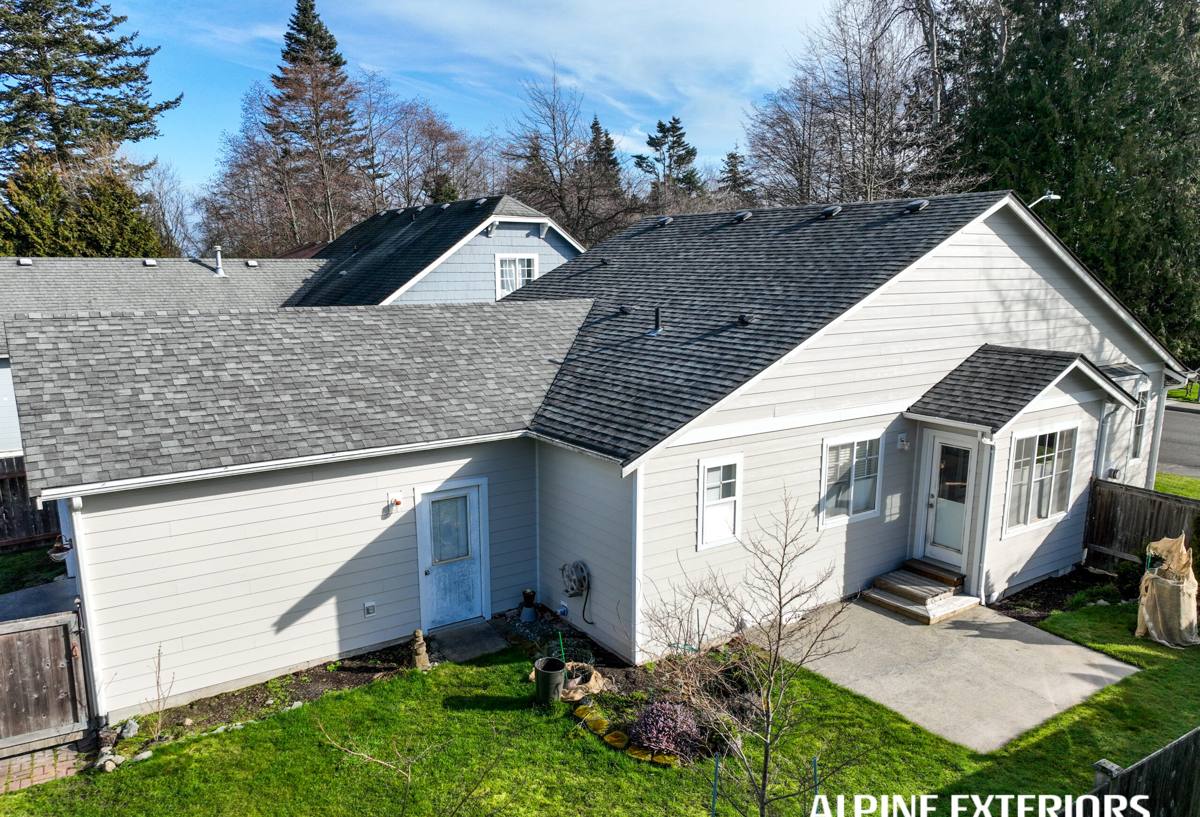
What Kenneth City Roofs Are Up Against
Pinellas County sees a predictable seasonal pattern that's hard on shingles: a hot, humid, high-UV summer followed by a hurricane season that can bring sustained wind and wind-driven rain with little warning. Over years, that combination breaks roofs down in a few specific ways.
UV and Heat Cycling
Florida sun bakes the asphalt in shingles, drying out the oils that keep them flexible. Combined with daily heat-up-and-cool-down cycles on the roof deck, this accelerates granule loss and makes shingles brittle years before they'd wear out in a cooler climate.
Wind and Uplift
Hurricane-force gusts don't need to be a named storm to do damage — a strong summer squall line can pull at shingle edges and ridge caps just as effectively. Once wind gets under a single lifted shingle, it can peel back a much larger section in seconds.
Wind-Driven Rain
Florida storms rarely fall straight down. Wind pushes rain sideways and up under shingle edges, valleys, and flashing, which means a roof's underlayment and flashing details matter as much as the shingles themselves.
Salt Air
Even away from the immediate coastline, salt carried on Gulf breezes accelerates corrosion on exposed metal — nails, flashing, vent stacks, and drip edge. Corroded fasteners and flashing are a common hidden cause of leaks on roofs that otherwise look fine from the ground.
What a Correct Installation Looks Like Here
A shingle roof that's going to hold up in Kenneth City needs a few things done right, none of which are visible once the job is finished:
- Wind-rated shingles and matching installation method — the shingle's wind rating only holds if it's nailed with the pattern and nail count the manufacturer specifies for that rating, not a generic pattern.
- Sealed, storm-rated underlayment — a synthetic or self-adhering underlayment that stays watertight even if some shingles are damaged in a storm, buying time until repairs can happen.
- Corrosion-resistant fasteners and flashing — galvanized or better-rated metal at valleys, pipe boots, and drip edge to resist salt air over the life of the roof.
- Balanced attic ventilation — intake and exhaust venting sized to move heat and moisture out of the attic, which protects both the roof deck and the shingles from below.
- Proper starter strip and hip/ridge detailing — the edges and ridges are where wind uplift starts; skimping here is the single most common cause of early wind damage.
Signs a Kenneth City Roof Needs Attention
Most shingle roof failures don't happen all at once. They show early warning signs that are easy to miss from ground level. Worth checking for, especially after any storm with sustained wind:
- Shingles that look curled, cupped, or lifted at the edges
- Bald or shiny patches where granules have worn away
- Granules collecting in gutters or at the base of downspouts
- Cracked or missing shingles, particularly near ridges and valleys
- Rust streaks near flashing, vent stacks, or metal edges
- Soft spots or sagging when walked on (a sign of deck issues below)
- Daylight visible through the roof deck from inside the attic
- Water stains on interior ceilings, especially after wind-driven rain
Any one of these on its own might just mean a targeted repair. Several at once, or an older roof with a mix of these signs, usually means it's time to talk replacement.
Shingle Options: What Actually Differs
Not all asphalt shingles are built to the same standard, and the differences matter more in a wind- and UV-heavy market like Pinellas County than they would elsewhere. Here's how the common tiers generally compare:
| Shingle Type | Typical Wind Rating | Best Fit | Trade-offs |
|---|---|---|---|
| 3-Tab | Lower end of the range | Budget-driven projects, secondary structures | Lighter weight means less wind resistance and a shorter realistic service life here |
| Architectural (Dimensional) | Mid-to-high range | Most Kenneth City homes | Heavier, better UV and wind performance; the standard choice for this climate |
| Impact-Rated (Class 4) | High, with impact resistance rating | Homes prioritizing hail/debris resistance and possible insurance credits | Higher upfront cost, but can offset with insurance premium discounts in some cases |
We don't push the most expensive option by default — we walk through what your roof's exposure, age of the home, and insurance situation actually call for, and let you decide with real numbers in front of you.
Our Process for Kenneth City Roofs
Inspection First
We start by getting on the roof (not just looking from the driveway) to check the shingles, flashing, vent boots, and, where accessible, the attic for ventilation and moisture issues. We'll tell you plainly if a repair is realistic or if you're better off budgeting for replacement.
Deck Assessment
Before any new shingles go down, the roof deck gets checked for soft spots, rot, or fastener issues. Installing new shingles over a compromised deck just hides a problem that will resurface as a leak.
Tear-Off and Prep
Full tear-off to the deck on replacements, disposal handled as part of the job, and any damaged decking replaced before underlayment goes down.
Underlayment, Flashing, and Shingles
Storm-rated underlayment, corrosion-resistant flashing at every penetration and valley, and shingles installed to the manufacturer's high-wind nailing pattern — not a shortcut pattern that voids the wind warranty without you knowing it.
Final Walkthrough
We walk the finished roof and the property with you, confirm ventilation is intact, and make sure gutters and downspouts are clear before we call the job done.
Repair or Replace? What Actually Drives That Decision
Homeowners often ask us to just tell them a number of years, but the honest answer depends on a few specific factors:
- Age relative to material — a 3-tab roof nearing 15-18 years has different odds than an architectural roof at the same age.
- Extent of the damage — isolated storm damage to one slope is usually repairable; widespread granule loss or curling across the whole roof usually isn't worth chasing with patches.
- Deck condition — if the deck underneath is compromised in multiple spots, a repair won't hold and replacement becomes the practical choice.
- Insurance timing — if a specific storm caused documented damage, that's a different conversation than general wear and tear, and timing matters for a claim.
We'll give you our honest read on which category your roof falls into, not the answer that happens to be more profitable for us.
Permits and Local Code
Roofing work in Kenneth City falls under Pinellas County's building code requirements, which reflect Florida's high-wind building standards. That means permitted roof work gets inspected, and materials and installation methods need to meet the wind-resistance requirements for this region — not a lighter-duty standard that might apply somewhere with calmer weather. We handle the permitting process as part of the job so you're not left tracking down inspections yourself.
Why Local Experience on This Specific Job Matters
A roofing crew that regularly works in and around Kenneth City already knows the wind exposure patterns typical of this part of Pinellas County, what inspectors here expect to see, and which installation shortcuts tend to fail first in this climate. That's different from a crew that mostly works inland regions with milder wind and humidity profiles. Local experience shows up in the details — nailing patterns, flashing choices, ventilation sizing — that don't show up on an invoice but do show up in whether the roof is still tight after the next big storm.
Get a Straightforward Estimate
If your Kenneth City roof is showing wear, was recently hit by wind or storm damage, or you're just planning ahead, we're happy to take a look and give you a clear, no-pressure estimate. Use the form below to get started.