 Seminole Siding
 Windows Built for a Barrier Island, Not Just a Florida Zip Code
Belleair Beach sits right on the Gulf, and that changes what a window has to do compared to a house even a few miles inland. Homes here face salt-laden air every day, direct UV exposure with almost no shade break, wind-driven rain that finds every weak seal, and the very real possibility of a hurricane pushing debris into the glass at speed. A window that's "good enough" for a typical Pinellas County subdivision often isn't good enough for a Gulf-front or near-Gulf property. Our crew works window replacement jobs in and around Seminole regularly, including barrier island homes like the ones in Belleair Beach, and we build every job around what this specific exposure does to a window over time.
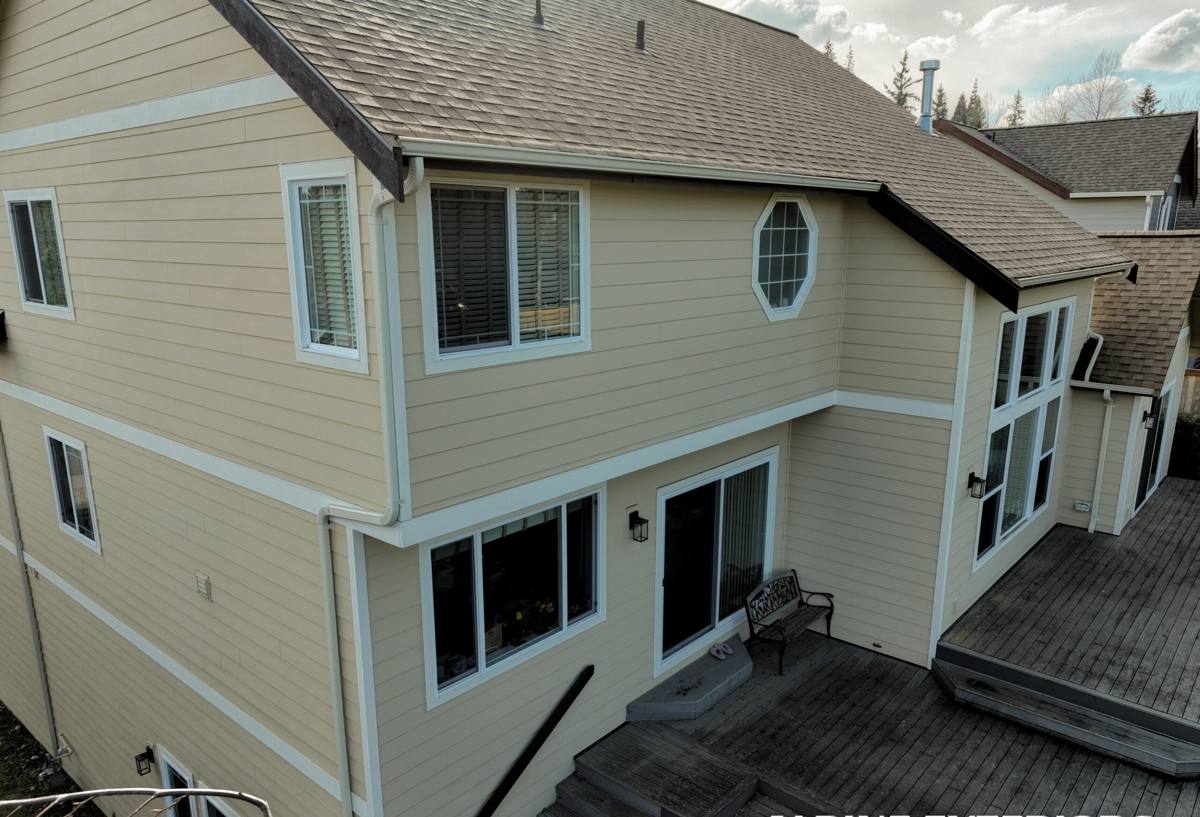
What Coastal Exposure Actually Does to a Window
It helps to understand the failure pattern before you replace anything, because it tells you what to prioritize in the new installation.
Salt Air and Metal Components
Salt in the air settles on hardware, tracks, and fasteners. Over years it corrodes cheaper metal components, pits aluminum that isn't properly coated, and eats away at screws and locking hardware faster than most homeowners expect. A window that looks fine from the street can have hardware that's seized or corroded to the point of failure. This is one of the most common reasons older windows on the barrier island stop locking or operating smoothly long before the glass itself shows any problem.
UV Degradation
Year-round, high-angle Florida sun breaks down vinyl, weatherstripping, and sealant faster here than in most parts of the country. Frames chalk and go brittle, gaskets shrink and lose their seal, and glazing compounds crack. Once a seal fails, you get air infiltration, moisture intrusion, and a spike in cooling costs, since the AC is now fighting a leak instead of a sealed envelope.
Wind-Driven Rain
Even outside of named storms, Gulf-side weather regularly pushes rain sideways. A window that isn't installed with the right flashing and sealant details will let water track behind the frame and into the wall cavity long before you ever see a drip inside the house. By the time staining shows up on drywall or trim, there's often been moisture intrusion happening for a while.
Storm-Force Wind and Debris
Pinellas County sits in Florida's wind-borne debris region under the Florida Building Code, and a Gulf-front or near-Gulf address like Belleair Beach is squarely in that exposure category. That means the window itself, or an approved protective system paired with it, has to be rated to resist both sustained high wind pressure and impact from flying debris.
Florida Building Code and What It Means for This Job
Window replacement on the coast isn't just a swap-and-caulk job. Depending on your specific location and the scope of the replacement, Florida Building Code requirements typically come into play around two things:
- Design pressure rating — the window has to be tested and labeled to withstand the wind loads calculated for your specific site and building height.
- Wind-borne debris protection — either impact-rated glass or an approved shutter/protection system that meets code for the wind-borne debris region.
We pull the correct permit for your municipality, size windows to the design pressure your home requires, and make sure the products we install carry the labeling and documentation that will hold up during inspection and, later, during an insurance review. This isn't optional paperwork — it's what determines whether the window actually performs when a storm hits, and whether your insurer treats the upgrade as a wind mitigation credit.
Choosing the Right Frame and Glass for This Exposure
There's no single "best" window for every house, but for Gulf-front and near-Gulf exposure, some choices consistently hold up better than others.
| Frame Material | How It Handles Salt Air & UV | Where It Fits |
|---|---|---|
| Vinyl | Won't corrode; UV-stabilized vinyl resists chalking and brittleness better than standard grades | Most common choice for coastal replacement — good balance of cost and durability |
| Aluminum | Strong for large openings and design pressure, but needs marine-grade coating to resist salt pitting | Larger openings, sliders, and impact-rated storefront-style units |
| Wood / wood-clad | Highest maintenance burden in salt air; finishes need frequent upkeep to prevent moisture and rot | Interior aesthetic priority only — we're upfront that this isn't the low-maintenance choice for a barrier island home |
| Fiberglass | Dimensionally stable, resists UV and salt corrosion well, but higher upfront cost | Homeowners prioritizing longevity over lowest sticker price |
For glass, laminated impact glass is the standard we recommend for Gulf-facing exposures. It holds together under debris impact instead of shattering out of the frame, it cuts UV transmission (which helps with fading and interior heat), and it does double duty as a security upgrade. Where impact glass isn't the right fit for a specific opening, code-approved shutters paired with standard glass are the alternative — but that's a decision we walk through with you based on the actual opening, not a one-size answer.
Our Window Replacement Process
- On-site assessment. We inspect existing frames, check for hidden water damage around openings, and measure for accurate design pressure requirements based on your home's exposure.
- Product selection. We go over frame material, glass package, and impact protection options in plain terms — including trade-offs on cost, maintenance, and appearance — so you're picking based on what actually matters for your house.
- Permitting. We handle the permit application with the correct wind load and impact documentation for your jurisdiction.
- Removal and inspection. Old windows come out carefully, and we check the rough opening for rot, corrosion, or moisture intrusion before anything new goes in. Hidden damage gets addressed, not covered up.
- Installation with proper flashing and sealant. This step is where most wind-driven rain problems either get solved permanently or get built back into the wall. We follow manufacturer-specified flashing details, not shortcuts.
- Final inspection and walkthrough. We confirm operation, sealing, and code compliance, and pass final inspection with the municipality.
Signs Your Windows Need Replacing, Not Just Repair
- Hardware that's corroded, seized, or won't lock securely anymore
- Visible fogging or moisture between panes on double-glazed units — a sign the seal has failed
- Frames that are soft, chalky, or crumbling at the corners
- Drafts you can feel around the frame even with the window fully closed
- Water staining on interior trim or drywall near the window after wind-driven rain
- Windows that predate current Florida Building Code wind-borne debris requirements for this area
- Noticeably higher cooling bills that track with window age, not appliance changes
Why It Matters That We Already Work This Area
A crew that's worked window replacement across Seminole and the surrounding barrier island communities knows the difference between a spec written for inland Pinellas County and one written for direct Gulf exposure. We know what corrosion looks like on a five-year-old aluminum slider here versus one twenty miles inland. We know which municipalities require what documentation for permitting, and we don't have to relearn wind load calculations for barrier island exposure on your job. That familiarity shows up in fewer surprises during the project and a finished install that's actually sized and sealed for what your house faces every day, not a generic Florida spec.
What Drives the Cost
Every home and opening is different, so we don't quote sight-unseen — but these are the factors that move the number up or down on a coastal replacement job.
| Factor | Why It Matters |
|---|---|
| Impact glass vs. standard glass + shutters | Impact glass costs more per unit but eliminates the need for separate storm protection and cuts UV/noise transmission |
| Frame material | Vinyl is typically the most cost-effective; fiberglass and marine-grade aluminum cost more upfront but hold up longer in salt air |
| Opening size and design pressure rating | Larger openings and higher wind zones require heavier-duty framing and glass, which raises material cost |
| Hidden damage at the rough opening | Rot or corrosion found during removal adds repair scope before the new window can go in correctly |
| Number of openings replaced at once | Bundling multiple windows into one project typically lowers the per-unit labor cost |
Broadly, homeowners in this area should expect coastal-grade, impact-rated replacement windows to cost more per opening than a basic inland installation — that's the nature of the products required for this exposure, not padding. We'll give you real numbers for your actual house, not a generic range that doesn't reflect your openings or code requirements.
Get a Straight Answer for Your Home
If your windows are original to the house, showing corrosion or seal failure, or you're just not confident they'd hold up in a serious blow off the Gulf, it's worth having a local crew take a look. We'll walk your home, tell you honestly what needs replacing versus what can wait, and give you a clear, no-pressure estimate based on your actual openings and exposure — use the form below to get started.