 Seminole Siding
 Bardmoor Sits Squarely in Seminole's Toughest Roofing Conditions
Bardmoor is one of Seminole's established residential neighborhoods, and like the rest of this stretch of Pinellas County, its roofs take a beating year after year from a climate that doesn't give much of a break. It sits a bit inland within Seminole rather than directly on the water, but that distance doesn't buy much protection — salt-laden air moves across this whole part of the county regardless of how many blocks a house sits from the Gulf, and the same hurricane-season wind loads, intense UV, and wind-driven rain that affect waterfront homes affect Bardmoor's homes too.
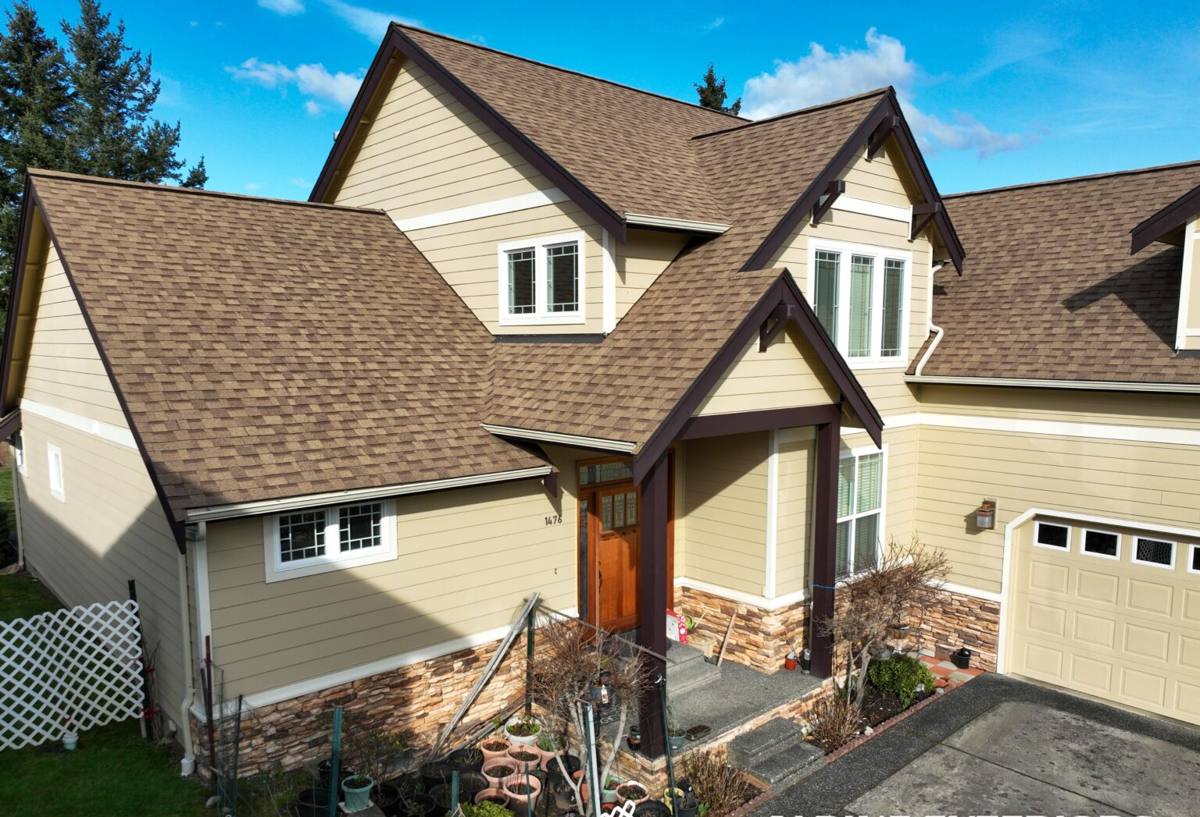
A lot of the roofs we see in this neighborhood are asphalt shingle, which makes sense — it's a proven, cost-effective material when it's specified and installed correctly for this climate. The problem is that "correctly for this climate" is doing a lot of work in that sentence. A shingle roof built to a generic national standard, or installed by a crew that doesn't work Florida's Gulf Coast regularly, tends to show its age here faster than homeowners expect. This page walks through what Bardmoor's climate actually does to an asphalt shingle roof, what a correct installation includes, and how our process works when we take on a project in this neighborhood.
What This Climate Actually Does to an Asphalt Shingle Roof
UV Load
Florida's sun angle and long day length mean a Bardmoor roof absorbs far more cumulative UV exposure per year than a roof in most of the country. That UV load breaks down asphalt's oils and the binders that hold the granules in place, which is why granule loss and premature brittleness are such common complaints on shingle roofs here — often on the same roof plane, year after year, wherever sun exposure is heaviest.
Wind Uplift
Seminole sits in a coastal wind zone that sees hurricane-force gusts most years and the real possibility of a direct hurricane hit some years. Wind doesn't just push down on a roof — it creates uplift pressure at edges, ridges, and any spot where a shingle's seal has weakened. A roof that looks fine in a light rain can lose shingles fast once sustained gusts get underneath a compromised edge or a poorly sealed tab.
Wind-Driven Rain
Straight-down rain is easy for almost any roof to shed. Rain pushed sideways by 40, 50, or 60-plus mph wind is a different problem — it drives up under shingle edges, into valleys, and around flashing details that would stay dry in a calm storm. That's exactly where roofs with aging underlayment or marginal flashing start to leak, often well before the shingles themselves look obviously worn.
Salt Air
Airborne salt settles on every exterior surface in this part of Pinellas County, Bardmoor included, even away from the immediate waterfront. Salt accelerates corrosion on exposed metal — flashing, vent stacks, fasteners — and that corrosion is a slow, cumulative process rather than a dramatic one. It's a real factor in how we specify metal components on any roof in this area.
Heat Cycling and Humidity
Hot afternoons followed by warm, humid nights put shingles through constant expansion and contraction, and high humidity means roof surfaces rarely get a long stretch to fully dry out between rain events. That combination accelerates wear on lower-grade materials and makes proper attic ventilation more important here than it would be in a drier, more temperate climate.
What a Correctly Installed Asphalt Shingle Roof Includes
Most shingle roof failures we see in this area don't trace back to bad shingles — they trace back to shortcuts underneath the shingles that don't show up until years later, usually right after a storm.
Shingle Wind Rating and Sealing
Shingles sold for Florida markets are rated for wind resistance under industry test standards, and that rating only holds up if the shingle is fastened with the correct nail pattern and count, and if the self-sealing strip has had a chance to properly bond. Installing a wind-rated shingle with a code-minimum fastening schedule undermines the rating before the roof ever sees its first storm.
Underlayment and Deck Protection
The underlayment is what actually keeps a roof dry if wind ever lifts or damages shingles during a storm, which is why we don't treat it as a place to save money. Self-adhering membrane at eaves, valleys, and other water-prone areas matters as much here as anywhere in the country, arguably more, given how often this area sees wind-driven rain during hurricane season.
Flashing at Every Penetration
Chimneys, vent pipes, skylights, and roof-to-wall transitions are where the large majority of roof leaks actually start, not out in the open field of shingles. Flashing has to be properly lapped, integrated with the underlayment in the right order, and sealed — not just caulked over as an afterthought.
Ventilation
A shingle roof needs a balanced intake and exhaust system so heat and moisture can escape the attic instead of baking the underside of the roof deck and the shingles from below. Poor ventilation shortens shingle life and can void manufacturer warranties, and it's one of the most commonly skipped details on lower-bid roofing jobs.
Comparing Asphalt Shingle Options for a Bardmoor Roof
| Shingle Type | Wind Performance | Typical Lifespan Here | Relative Cost |
|---|---|---|---|
| 3-tab strip shingle | Lower wind rating; more prone to edge lift in sustained gusts | 12-18 years in this climate | Lowest |
| Architectural (laminate) shingle | Higher wind rating when properly fastened; thicker, more rigid tab | 18-25 years in this climate | Moderate |
| High-wind / impact-rated shingle | Built and tested for higher sustained wind and impact resistance | 20-25+ years in this climate | Higher, sometimes offset by insurance discounts |
Lifespan ranges are realistic estimates for this climate specifically — sun, salt air, and storm exposure all shorten the numbers you'd typically see quoted for a shingle roof in a milder part of the country. We'll walk through which option makes sense for your roof's pitch, exposure, and budget, and whether the upfront cost difference for a higher-wind-rated product is likely to pay off given how the insurance side often treats those products.
How Our Process Works on a Bardmoor Roof
We start with a full inspection, not a quick look from the driveway — checking the condition of the existing shingles, the state of the decking underneath where accessible, flashing at every penetration, and attic ventilation. Bardmoor has a mix of home ages, so we see everything from original roofs well past their service life to roofs that have already been through one replacement with mixed results from a prior contractor.
What a Typical Project Includes
- Full roof and attic inspection before any tear-off begins, including a check for existing leaks or deck damage
- Complete removal of old shingles and underlayment down to the roof deck
- Repair or replacement of any deteriorated or water-damaged decking found during tear-off
- Self-adhering waterproof membrane installed at eaves, valleys, and other vulnerable areas
- New underlayment across the full roof deck, rated for this climate's moisture exposure
- Properly lapped and sealed flashing at every chimney, vent, skylight, and roof-to-wall transition
- Shingles installed to manufacturer specification and the correct fastening schedule for our wind zone
- Attic ventilation checked and corrected if intake or exhaust is inadequate
- Final walkthrough covering warranty paperwork, cleanup, and what to watch for after the first storm season
Signs a Bardmoor Roof Needs a Closer Look
- Shingles that are curling, cupping, or cracking, especially on sun-exposed roof planes
- Heavy granule loss showing up in gutters or at the base of downspouts
- Missing or lifted shingles after a windstorm, even if the roof looks fine from the ground
- Water staining on interior ceilings, especially near exterior walls, chimneys, or skylights
- Visible daylight through the roof deck when viewed from inside the attic
- Rust streaks or corrosion around flashing, vent stacks, or exposed fasteners
- A roof nearing or past 20 years old with no documented replacement or major repair history
None of these signs mean a full replacement is automatically necessary, but each one is worth a professional look before the next storm season rather than after water has already worked its way into the decking.
Permits and Pinellas County Wind Requirements
Roofing work in Seminole falls under Florida Building Code wind provisions for this coastal wind zone, which affect everything from fastening schedules to the underlayment and flashing details required for permit approval. A roof permitted and inspected correctly isn't just a paperwork formality — it's documentation that the work was done to the standard the county actually requires, which matters both for storm performance and for insurance and resale down the road. We pull permits and build to those requirements rather than assuming a generic out-of-state standard applies here.
Why a Crew That Already Works Bardmoor Matters
A roofing crew that works this part of Pinellas County regularly has already seen how UV, wind-driven rain, and salt air play out on real roofs here over years, not just how a shingle performs on a manufacturer's data sheet. That experience shows up in practical decisions on install day — how much attention a given roof's valleys and penetrations need based on its orientation and pitch, which fastening details are worth the extra time, and what a Bardmoor attic actually needs for ventilation given the home's age and construction. It also means a crew that isn't learning the local wind code and inspection process on your project.
Roofing Alongside Siding, Windows, and Decks
A roof rarely fails in isolation from the rest of the home's exterior. We handle siding, windows, and decks in addition to roofing, because the same wind and moisture problems that show up at a roof-to-wall transition often connect directly to siding and flashing issues at that same joint. When we look at a roofing project, we're looking at how it interacts with the rest of the building envelope, and we'll tell you honestly if something else needs attention at the same time rather than treating the roof as a separate problem.
If you're in Bardmoor and thinking about your roof — whether you've got a specific concern or you're planning ahead of the next storm season — we're glad to come take a look and give you a straightforward, no-pressure estimate using the form below.