 Seminole Siding
 Roofing in Bardmoor: A Neighborhood With Its Own Set of Demands
Bardmoor is one of the more established residential communities in the Seminole area of Pinellas County, and roofs here take on a lot over the years. This part of Florida isn't gentle on a roof system: hurricane-force wind events, relentless year-round UV exposure, wind-driven rain that finds every weak seam, and a steady dose of salt air moving in off the Gulf all work against the materials on top of your house. None of that is unique to any one street or subdivision, but it does mean a roof repair here has to account for conditions that a lot of national roofing guidance simply wasn't written for.
When we talk about "roof repair" for Bardmoor homes, we're talking about fixing what's actually failing — not using a repair call as an excuse to upsell a replacement, and not patching something in a way that quietly sets up the next leak. This page walks through what that looks like in practice.
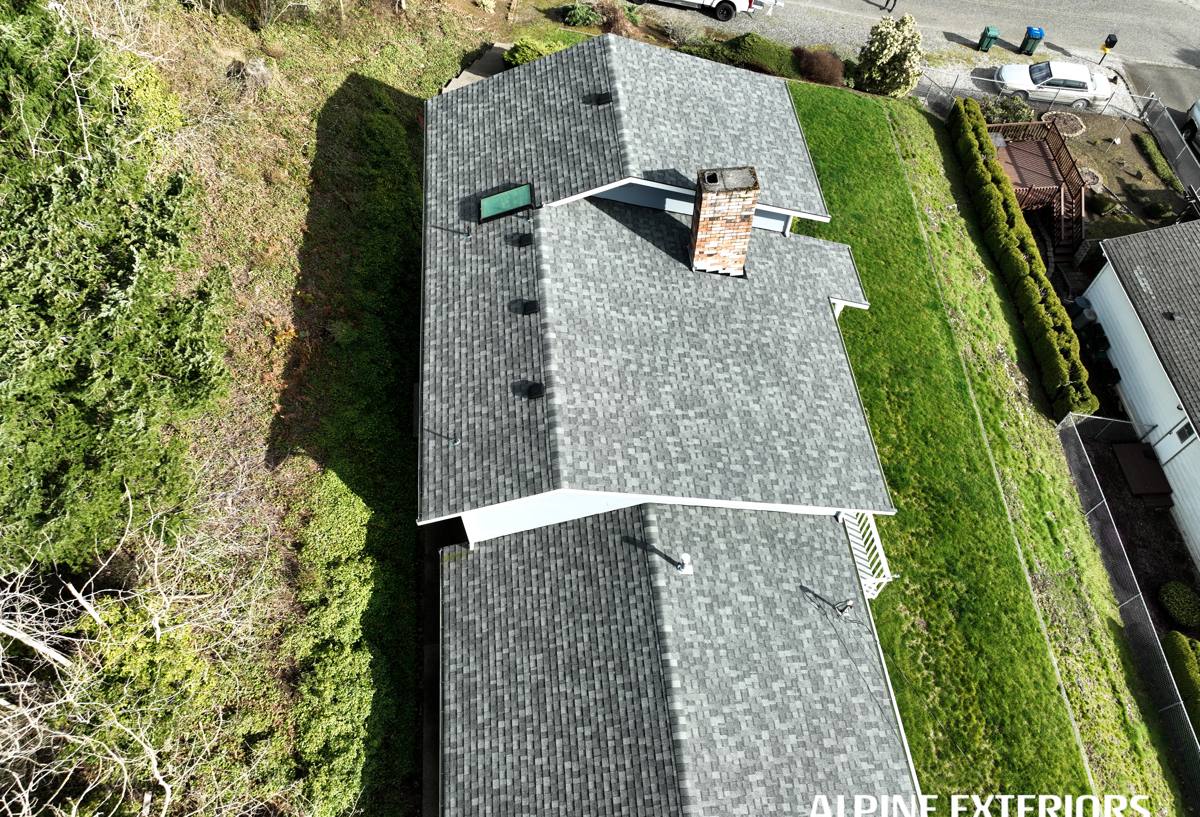
Why Local Climate Conditions Shorten Roof Life
Every roofing material has a rated lifespan, but that number assumes a certain climate. Pinellas County isn't that climate. A few specific mechanisms are worth understanding because they explain almost every repair call we get:
UV Breakdown
Florida sun is intense and consistent almost every month of the year. Asphalt shingles rely on granules and oils in the mat to stay flexible and reflective. Constant UV exposure bakes those oils out faster than in most of the country, which is why shingles here often show granule loss, curling, or brittleness well before their rated age.
Wind-Driven Rain
A straight-down rainstorm and a wind-driven one behave very differently on a roof. Wind pushes water sideways and upward under shingle tabs, around flashing edges, and into any gap that a calm-weather roof would never expose. Most of the leaks we trace back start at a flashing detail or a seam that was fine under normal rain but opened up under wind pressure.
Hurricane and Tropical Storm Wind Loads
Even when a storm doesn't cause obvious damage, repeated wind loading stresses fasteners, lifts shingle tabs, and can loosen ridge caps and flashing over time. Damage from one storm season sometimes doesn't show up as a leak until the next one.
Salt Air Corrosion
Being close enough to the Gulf to get salt-laden air affects metal components specifically — flashing, fasteners, vent stacks, and gutter hardware. Standard steel fasteners and uncoated metal flashing corrode faster here than inland, which is a detail that matters when a repair is done with the wrong hardware.
Common Roof Problems We See on Bardmoor Homes
Roof age, tree coverage, and roof design all play a role, but a handful of issues come up again and again on repair calls in this area:
- Cracked, curled, or missing shingles after wind events, especially near ridges and roof edges where uplift pressure is highest
- Flashing failures around chimneys, skylights, and roof-to-wall transitions where two different materials meet
- Deteriorated pipe boot seals — the rubber collars around plumbing vents are one of the most common leak sources on any Florida roof
- Nail pops and lifted shingle tabs from repeated wind stress
- Granule loss and UV-related brittleness on older shingle roofs
- Soft or damp decking discovered during a repair, indicating a leak has been active longer than the visible symptoms suggested
- Clogged or damaged valleys, where the largest volume of water concentrates during heavy rain
What a Correct Roof Repair Actually Involves
A roof repair that actually holds up isn't just "find the hole, cover the hole." It's a diagnostic process first, and a repair second. Here's what we consider non-negotiable steps, regardless of how small the visible problem looks:
1. Find the Real Source, Not Just the Symptom
Water travels. A stain on a ceiling can be several feet away from where water is actually entering the roof, especially along rafters or decking seams. Repairing at the visible stain instead of the actual entry point is one of the most common reasons a "fixed" leak comes back.
2. Check the Decking, Not Just the Surface
If water has been getting in for any length of time, the plywood or OSB decking underneath may be softened or delaminating. Covering damaged decking with new shingles without addressing it underneath is a shortcut that fails.
3. Match Materials and Fastening to Local Wind Codes
Pinellas County follows Florida Building Code wind provisions, and repairs to an existing roof still need to be done with the right nailing pattern, flashing method, and sealant for high-wind zones — not generic techniques that might be fine in a milder climate.
4. Use Corrosion-Resistant Hardware
Given the salt air exposure in this part of Pinellas County, we use fasteners and flashing rated for coastal-adjacent conditions rather than standard-grade hardware that will corrode faster here.
5. Confirm the Repair Blends and Seals Properly
A patch that stands out or sits slightly proud of the surrounding roofline is more than a cosmetic issue — it's often a sign the seal underneath isn't flush either.
Our Repair Process, Step by Step
- Inspection and diagnosis. We get on the roof (not just a ground-level look) to trace the actual entry point and check surrounding areas for early-stage damage.
- Honest assessment. We tell you plainly whether this is a repair, whether it's the first sign of a bigger issue, or whether the roof's age and condition mean a repair is a short-term fix at best.
- Written scope and price. You know what's being done and what it costs before work starts — no surprises mid-job.
- The repair itself. Damaged materials removed, decking assessed and replaced if needed, correct underlayment and flashing detail restored, new materials matched as closely as possible to your existing roof.
- Cleanup and check. Job site cleared of debris and nails, and the repair area reviewed with you before we consider the job done.
Repair vs. Replace: How We Help You Decide
Not every roof problem calls for a full replacement, and not every repair is a good long-term investment. The table below outlines the factors that typically tip the decision one way or the other.
| Factor | Leans Toward Repair | Leans Toward Replacement |
|---|---|---|
| Roof age | Under 12-15 years, single localized issue | Approaching or past the material's rated lifespan |
| Extent of damage | Isolated to one area (flashing, a section of shingles) | Widespread granule loss, curling, or multiple leak points |
| Decking condition | Solid, dry decking under the damaged section | Soft or delaminated decking in multiple areas |
| Storm history | Minor wind damage from a recent, isolated event | Cumulative damage across several storm seasons |
| Insurance and resale timing | Repair resolves the issue without a claim | Damage or age already affects insurability or a pending sale |
We'll always give you our honest read on which side of this table your roof falls on — including telling you when a repair is genuinely the right call, even if a replacement would be a bigger job for us.
Materials We Use — and Why
For repair work, we prioritize materials that hold up specifically under Gulf Coast conditions rather than whatever is cheapest or most generic. That means corrosion-resistant flashing and fasteners for salt air exposure, underlayment rated for wind-driven rain rather than basic felt, and shingle or tile matching that accounts for UV fading so a repair doesn't stand out as an obvious patch. When manufacturer specifications call for a particular sealant, nailing pattern, or flashing method to preserve a warranty, we follow that spec rather than a faster shortcut — a repair that voids your roof's warranty coverage isn't a repair that's actually saving you money.
Why Working With a Crew That Knows This Area Matters
Roofing in a coastal Pinellas County community isn't the same job as roofing somewhere without hurricane wind loads or salt air. Crews that primarily work inland or in milder climates sometimes default to techniques and materials that are adequate elsewhere but undersized here. A crew that regularly works in and around Seminole and the Bardmoor area already knows the wind code requirements that apply, has a feel for how local tree coverage and roof orientation affect wear patterns, and isn't guessing at what "normal" damage looks like for a roof that's weathered several storm seasons in this exact climate. That familiarity shows up in fewer repeat callbacks and repairs that are sized correctly the first time.
Simple Maintenance That Extends Your Roof's Life
Between repairs, a few habits go a long way toward reducing how often you need one:
- Have your roof visually inspected after any significant wind or storm event, even if you don't see obvious damage from the ground
- Keep gutters and valleys clear of debris so water isn't pooling or backing up under shingles
- Trim back overhanging branches that can abrade shingles or drop debris into valleys
- Check attic spaces periodically for signs of moisture, staining, or daylight coming through the decking
- Address small issues — a lifted shingle, a cracked pipe boot — promptly rather than waiting for a leak to show up inside
- Schedule a professional inspection every couple of years, even on a roof that seems problem-free
Ready to Get Your Roof Looked At?
If you're dealing with a leak, storm damage, or just want a second opinion on your roof's condition, we're happy to take a look. Reach out for a free, no-pressure estimate — we'll give you a straight answer on what your roof actually needs, whether that's a repair, a bit of preventive maintenance, or nothing at all.