 Seminole Siding
 Why Belleair Beach Homes Ask Different Questions About Windows
Belleair Beach sits right on the barrier island strip of Pinellas County, with the Gulf of Mexico on one side and the Intracoastal Waterway on the other. That location is a big part of why homeowners here live in Florida in the first place — and it's also why windows on this stretch of coastline work harder than windows almost anywhere else in the region. A homeowner a few miles inland in Seminole is dealing with heat and humidity. A homeowner in Belleair Beach is dealing with heat, humidity, salt-laden air, near-constant UV exposure, and wind loads that inland construction never has to plan for. Energy-efficient windows here have to solve two problems at once: keep conditioned air in and heat out, while surviving the specific abuse of a barrier-island environment.
This page is about that combination — what "energy-efficient" actually means for a home in this location, what a correct installation involves, and why the details matter more here than they do a few miles away.
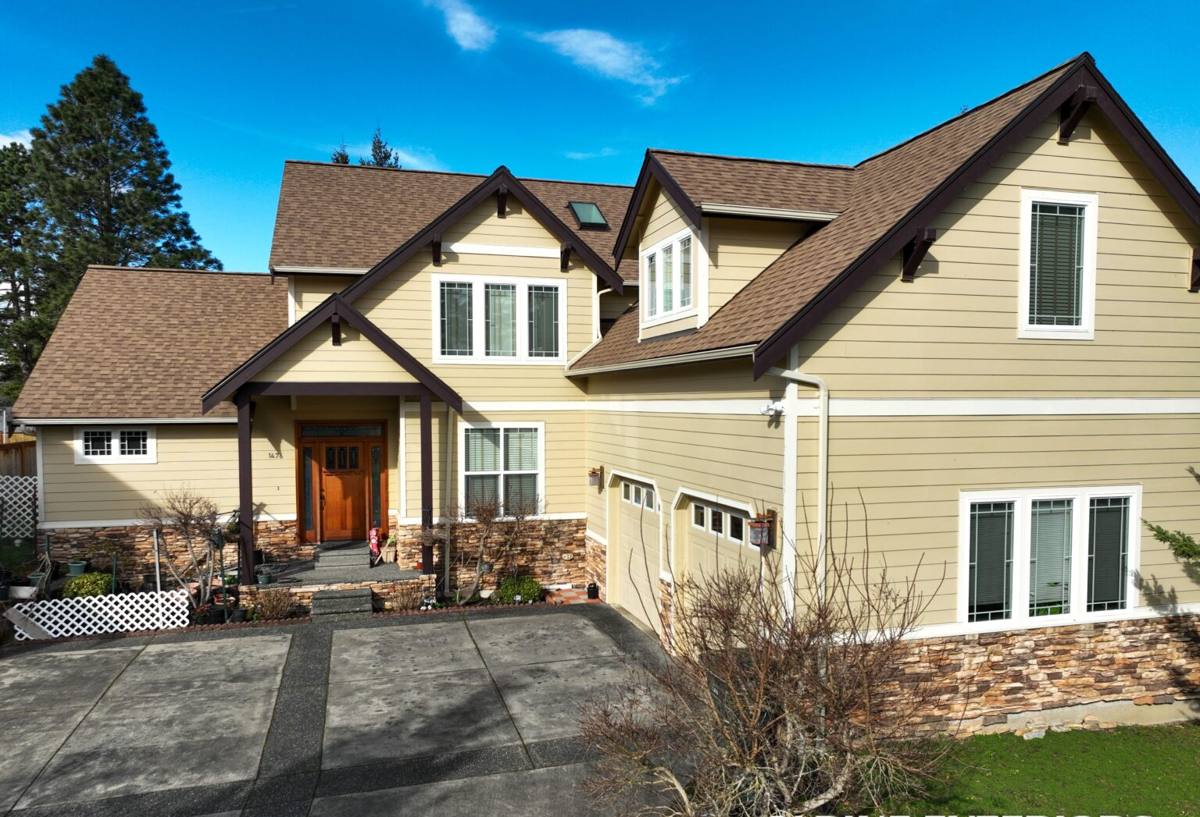
What Coastal Exposure Actually Does to a Window
Most window failures we see on barrier-island homes aren't dramatic. They're slow. Salt air is corrosive, and it doesn't stop at the glass — it works on hardware, fasteners, weatherstripping, and metal reinforcement inside the frame. Once corrosion starts on hinges, locks, or balance mechanisms, a window stops sealing the way it was designed to, and an otherwise good window starts leaking air and losing efficiency years before it should.
UV exposure is the other constant here. Florida sun breaks down vinyl, degrades seals, and yellows or clouds lower-grade glazing over time. A window rated for a moderate climate somewhere else in the country often isn't built with the UV and salt exposure of a Gulf-front property in mind.
Then there's wind-driven rain. During tropical storms and lesser wind events — not just named hurricanes — water gets pushed sideways with real force. A window that isn't properly rated and properly installed for that condition doesn't just lose efficiency; it lets water into the wall cavity, which leads to problems well beyond the window itself.
The Practical Result
- Hardware and seals wear out faster than the manufacturer's general climate rating assumes
- Energy performance quietly degrades years before a window visibly fails
- Poorly sealed or under-rated windows are a common source of hidden moisture intrusion
- Frame materials and finishes that work fine inland can underperform within a mile or two of saltwater
What "Energy-Efficient" Actually Means for This Climate
Energy-efficient windows are usually marketed around a few core ratings, and in a hot, humid, sun-heavy climate like Pinellas County, they don't all matter equally.
| Rating | What It Measures | Why It Matters Here |
|---|---|---|
| U-Factor | How well the window resists heat transfer | Relevant, but less dominant here than in cold climates — still worth keeping low |
| SHGC (Solar Heat Gain Coefficient) | How much solar heat passes through the glass | Often the most important number in Florida — a low SHGC directly reduces AC load |
| Air Leakage Rating | How much air passes through the assembly | Directly tied to comfort, humidity control, and utility bills |
| Visible Transmittance | How much natural light comes through | Balances energy performance against wanting a bright interior |
Gas-filled insulated glass (typically argon) and low-E coatings are what move these numbers in the right direction. The coating reflects solar heat while still letting visible light through, and the gas fill slows heat transfer between the panes. None of this is exotic — it's standard in a properly specified modern window. The mistake we see most often isn't the absence of these features, it's a window that was chosen for a generic "hurricane zone" spec sheet without weighing SHGC and air leakage specifically for a west-facing, sun-exposed coastal elevation.
Energy Efficiency and Wind Resistance Are Two Different Jobs
It's worth being clear about something homeowners often assume is one topic: impact resistance and energy efficiency are separate performance categories, tested and rated differently, even though a good window needs to deliver both.
Belleair Beach, like other barrier-island communities in Pinellas County, falls within Florida's wind-borne debris region. That means replacement windows generally need to meet impact standards — either impact-rated glass and framing, or an approved protective system — as part of code compliance, not as an optional upgrade. The good news is that impact-rated glass packages today are built with the same low-E coatings and gas fills used in standard energy-efficient units, so meeting the wind and debris requirement doesn't mean giving up efficiency. But it does mean the product has to be selected correctly the first time, with documentation (Florida product approval or Miami-Dade NOA) that matches what the local permitting authority requires.
What a Correct Installation Actually Involves
The window unit itself is maybe half the equation. The other half is installation, and this is where efficiency gains are won or lost on a coastal home.
The details that matter most here:
- Flashing and water management — the opening has to be flashed so any water that gets past the window sheds outward, not into the wall assembly
- Sealant selection — coastal installations need sealants rated for UV and salt exposure, not a generic caulk that chalks and cracks within a couple of seasons
- Fastening per the product approval — impact-rated windows are only rated as tested, which means the fastener type, spacing, and anchoring into the substrate have to match the approval documentation exactly
- Shimming and squaring — a window installed slightly out of square won't seal or operate correctly no matter how good the unit is
- Interior and exterior sealing as two separate steps — one air seal and one water seal, not one bead of caulk doing both jobs
Skip any one of these and you can end up with a highly rated window that still leaks air, lets in water, or fails prematurely — while looking fine from the outside for a year or two.
Choosing Frame Materials Near Saltwater
Frame material matters more on a barrier island than it does a few miles inland, mainly because of how each material handles salt exposure and UV over time.
| Frame Material | Coastal Performance | Trade-Offs |
|---|---|---|
| Vinyl | Good corrosion resistance; won't rust or pit | Quality varies widely — UV-stabilized, reinforced vinyl performs very differently than budget-grade vinyl |
| Fiberglass | Strong, stable, handles temperature swings and UV well | Higher upfront cost than vinyl |
| Aluminum | Strong for large impact-rated openings | Prone to corrosion near salt air unless properly coated and maintained; conducts heat more than vinyl or fiberglass |
| Wood/Wood-Clad | Attractive, but a poor fit for direct coastal exposure | Higher moisture and maintenance burden; we generally steer coastal clients away from exposed wood frames |
Hardware finish is worth a mention too — look for corrosion-resistant hardware and coatings specifically called out for coastal or marine-grade use, not just the manufacturer's standard option.
Our Process for Belleair Beach Window Projects
Every home on the island is a little different depending on elevation, orientation, and how exposed it is to direct salt spray versus more sheltered lots, so we start with an actual look at the property rather than a generic recommendation.
- On-site assessment — we check existing window condition, framing, orientation to sun and wind exposure, and note anything (moisture staining, soft framing, corroded hardware) that affects the plan
- Product selection — we match window ratings (SHGC, U-factor, impact approval) to the specific elevation and exposure, not a one-size-fits-all spec
- Permitting — replacement windows in this area require permitting; we handle the documentation and product approval paperwork so it matches what the local building department expects
- Removal and prep — old units come out, openings are inspected and repaired if there's hidden damage before anything new goes in
- Installation — proper flashing, fastening to the tested approval, and separate air and water seals
- Final inspection and walkthrough — operation, seal, and cleanup checked before we call it done
What Drives Cost
Every project is different, but the factors that move price up or down are consistent. Broad ranges depend heavily on window size, quantity, and site conditions, so treat this as a guide to what affects your number, not a quote.
| Factor | Effect on Cost |
|---|---|
| Impact-rated glass package | Higher than standard energy-efficient glass, but often replaces the need for separate shutters |
| Frame material (vinyl vs. fiberglass vs. aluminum) | Fiberglass and impact-rated aluminum typically cost more than standard vinyl |
| Number and size of openings | Larger and more numerous openings increase material and labor cost |
| Condition of existing framing | Hidden rot, moisture damage, or out-of-square openings add repair time |
| Permitting complexity | Most jurisdictions in Pinellas County require permits for window replacement, adding time and a fee |
Questions Worth Asking Any Contractor Before You Sign
- Is the proposed window rated for our wind-borne debris zone, and can you show the product approval documentation?
- What are the SHGC and U-factor numbers, and were they chosen for this home's sun exposure?
- What sealant and flashing method will be used, and is it rated for coastal/salt exposure?
- Who pulls the permit, and is that included in the price?
- What's the warranty on the glass, the frame, and the labor — and are those separate?
Why Local Experience in This Area Matters
Window replacement rules and expectations aren't identical everywhere in Pinellas County. Wind-borne debris requirements, permitting steps, and in some cases community architectural guidelines all factor into what's allowed and what performs well on a specific lot. A crew that regularly works barrier-island properties around Belleair Beach and the broader Seminole area already knows which product approvals hold up to local permitting review, which frame materials actually last in direct salt exposure, and which installation details get scrutinized during inspection. That experience shows up less in the sales pitch and more in whether the windows are still sealing correctly five or ten years from now.
If you're weighing window replacement for a home in Belleair Beach, we're happy to take a look and walk through what makes sense for your specific exposure, budget, and goals. There's no pressure and no obligation — just use the form below to request a free estimate.