 Seminole Siding
 New-Construction Windows on a Barrier Island
Belleair Beach sits on a narrow strip of land between the Intracoastal Waterway and the Gulf of Mexico, just south of Seminole in Pinellas County. It's one of the more active teardown-and-rebuild markets on the county's beach communities — older cottages and low-set block homes are steadily being replaced with new elevated construction, and additions or full-gut renovations are common on lots that never got touched by the last wave of building. All of that work shares one thing in common: it needs new-construction windows, not the insert-style replacement units used when you're swapping glass into an existing frame that stays put.
New-construction windows have a nailing fin (or flange) around the perimeter that gets fastened directly to the framing and integrated into the wall's weather-resistant barrier before siding, stucco, or trim goes on. That makes them the right choice any time the opening is stripped down to the studs — new builds, additions, and full-frame replacements where the old frame is coming out entirely. Get this step right and the window becomes part of a sealed building envelope. Get it wrong and you've built a leak path into the wall that won't show itself until there's already damage behind the finish.
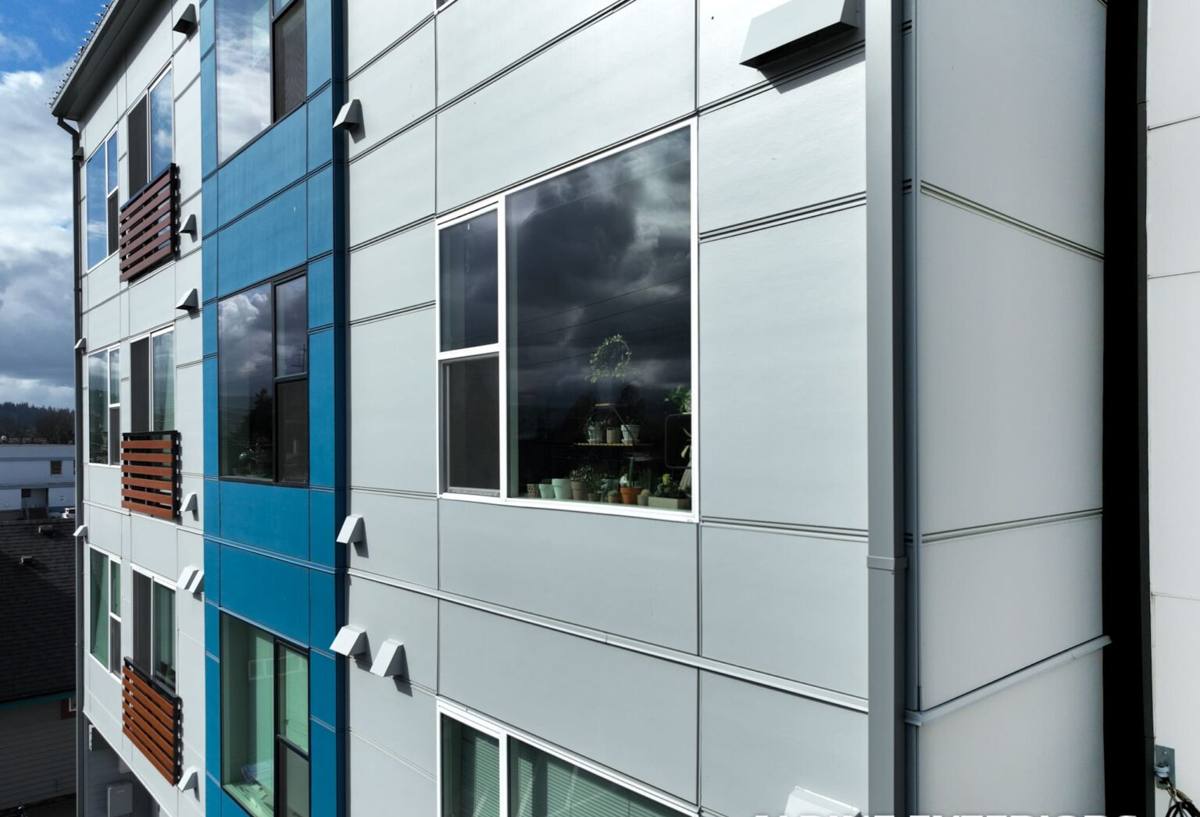
What Belleair Beach's Climate Puts a Window Through
A window on a Gulf-front barrier island earns its keep differently than one a few miles inland. Four conditions drive almost every decision we make on a Belleair Beach installation.
Hurricane-Force Wind and Wind-Borne Debris
Pinellas County's coastal lots fall within the state's wind-borne debris region, and barrier island properties like Belleair Beach sit at the higher end of the county's wind pressure range under the Florida Building Code. That means the window itself — not just the wall around it — has to be rated to resist both sustained wind pressure and impact from flying debris, and it has to be installed with a fastening schedule that actually delivers the rating it's sold with.
Intense Year-Round UV
Florida's sun doesn't take an off-season. Constant UV exposure breaks down poor-quality vinyl, fades interior finishes, and pushes cooling loads up in homes with undersized glazing performance. Low-E coatings and the right glass package matter more here than in most parts of the country.
Wind-Driven Rain
Tropical storms and summer squalls off the Gulf don't just drop rain straight down — they drive it sideways, under eaves and into any gap in the flashing. A window opening that would stay dry in a calm rain event can leak badly in wind-driven rain if the sill pan and flashing laps aren't sequenced correctly.
Salt Air Corrosion
Being this close to the Gulf means salt is in the air every day, not just during storms. It attacks unprotected fasteners, low-grade hardware, and certain metal frame finishes faster than most manufacturers' standard warranties assume, which is why hardware selection gets its own section below.
New-Construction vs. Insert Windows: Which Applies to Your Project
Homeowners often ask for "replacement windows" when what they actually need — because the wall is open to the studs — is a new-construction window. The table below covers the practical difference.
| Factor | New-Construction Window | Insert (Replacement) Window |
|---|---|---|
| When it applies | New builds, additions, full-frame tear-outs | Existing frame stays in place and is sound |
| How it attaches | Nailing fin fastened to framing, integrated with the wall's water barrier | Fits inside the existing frame, no fin |
| Flashing control | Full control — sill pan and flashing built from scratch | Limited to whatever water management the original frame allows |
| Best fit for Belleair Beach | Teardown rebuilds, additions, storm-damage full-frame replacement | Sound older homes not undergoing a gut renovation |
If you're not sure which category your project falls into, that's a normal question to bring to an estimate — it usually comes down to whether the opening will be stripped to bare framing or not.
What a Correct Installation Involves
Opening Preparation
The rough opening gets checked for square, level, and the correct size for the specified unit before anything goes in. On new construction this also means confirming the opening matches what was submitted for permit, since window size and glazing spec are tied to the structural and wind-load calculations for the home.
Flashing and Water Management Sequence
This is the step that decides whether the window leaks in five years or never. A sill pan goes in first to catch and direct any water that gets past the glazing. Jamb flashing and head flashing follow in a shingle-lap order — each layer overlapping the one below it — so water always sheds downward and outward, never into the wall cavity. On a barrier island lot exposed to wind-driven rain, skipping or rushing this sequence is the single most common cause of the water damage we get called to diagnose in older homes.
Fastening Schedule and Sealants
Impact-rated and high-velocity-wind-rated windows are only as good as the fastening pattern that holds them in. Manufacturers specify a fastener type, spacing, and embedment depth as part of their product approval, and that schedule has to be followed exactly — not approximated — for the window to perform at its rated pressure. Sealant selection matters too: it needs to be compatible with the frame material and rated for exterior, UV-exposed use.
Glazing and Impact Rating
Homes in Pinellas County's wind-borne debris region need either impact-rated glazing or an approved shutter system on every opening. Impact glass — typically a laminated interlayer between two panes — is the more common route on new construction because it protects the opening without adding a separate shutter system to install, store, and deploy before every storm.
How We Approach a New-Construction Window Job in Belleair Beach
The process is straightforward, but each step exists for a reason:
- Site assessment and measurement. We confirm rough opening sizes, review the plans or existing structure, and note anything specific to the lot — exposure to prevailing wind, proximity to the water, existing drainage.
- Product selection matched to the wind zone and permit requirements. We match window pressure and impact ratings to what the project actually requires under the Florida Building Code for this location, not a generic statewide default.
- Coordination with your builder or general contractor. On new builds and additions, window installation has to sequence correctly with the house wrap, siding, and trim trades — we coordinate timing so nothing gets covered up before it's inspected.
- Installation following the flashing and fastening sequence above. No shortcuts on sill pans, laps, or fastener schedules.
- Final check and documentation. We verify operation, seal integrity, and that everything matches what was specified for permit sign-off.
Frame and Hardware Choices That Hold Up to Salt Air
Frame material and hardware grade matter more on a Gulf-front lot than almost anywhere else in the county. Quality vinyl frames with UV-stabilized formulations resist the fading and brittleness that lower-grade vinyl develops under constant sun. Fiberglass and some aluminum frames also perform well, but aluminum needs a finish genuinely rated for coastal exposure — untreated or poorly coated aluminum hardware corrodes noticeably faster this close to the water. We use stainless steel or otherwise corrosion-resistant fasteners rather than standard-grade hardware, because that's one of the cheapest details to get right up front and one of the most expensive to fix after the fact once corrosion has started staining the frame or seizing a hinge.
Why a Crew That Already Works This Island Matters
Belleair Beach is a small, tightly built barrier island — narrow streets, limited staging space, and in many cases HOA or architectural review on top of the county's standard permitting. A crew that already works here knows the local permitting process for wind-zone glazing and impact ratings, has already coordinated with the inspectors who sign off on these jobs, and understands the site logistics of getting materials onto a barrier island lot without disrupting a construction site or a quiet residential block. That familiarity shows up as fewer surprises mid-project — not as anything you'd notice if the job goes smoothly, which is the point.
Before You Sign a Contract: A Quick Checklist
- Confirm the contractor is licensed and insured in Florida, and ask to see current documentation
- Ask whether your project needs new-construction or insert windows, and why
- Confirm the specified wind and impact rating matches what's required for your specific lot, not a generic minimum
- Ask what flashing method and sequence they use, and why
- Confirm the fastener type and hardware grade specified for coastal/salt-air exposure
- Get the permit and inspection process in writing, including who pulls the permit
What Affects the Cost
Pricing on new-construction window projects in Belleair Beach depends mainly on the number and size of openings, the glazing package (impact-rated glass generally costs more than standard glass plus a shutter system, but eliminates the shutter as an ongoing expense and hassle), frame material, and how much flashing and water-management work each opening requires. A full-frame teardown rebuild with a dozen openings prices very differently than a single addition window, so an accurate number really does require seeing the specific opening and plans rather than a blanket per-window estimate.
If you're planning new construction, an addition, or a full-frame replacement in Belleair Beach, we're happy to walk the site, look at your plans, and put together a straightforward, no-pressure estimate. Use the form below to get started.