 Seminole Siding
 Custom Windows Built for Belleair Bluffs, Florida
Belleair Bluffs sits on a narrow stretch of high ground between Clearwater Harbor and the Gulf of Mexico, and that location comes with a very specific set of demands on a house. Homes here take on salt-laden air, long stretches of direct sun, and the wind-driven rain and gusts that come with every named storm that tracks through Pinellas County. Windows are one of the first things to show that wear — sticking sashes, foggy double-pane glass, chalky or pitted frames, and drafts that show up long before a storm ever gets close. Custom window work in this neighborhood means fitting the right product to the opening, the exposure, and the age of the house, not just swapping in whatever is on the truck.
This page covers what we look at when we install or replace windows for Belleair Bluffs homeowners, what a correct installation actually involves, and why local experience matters as much as the window itself.
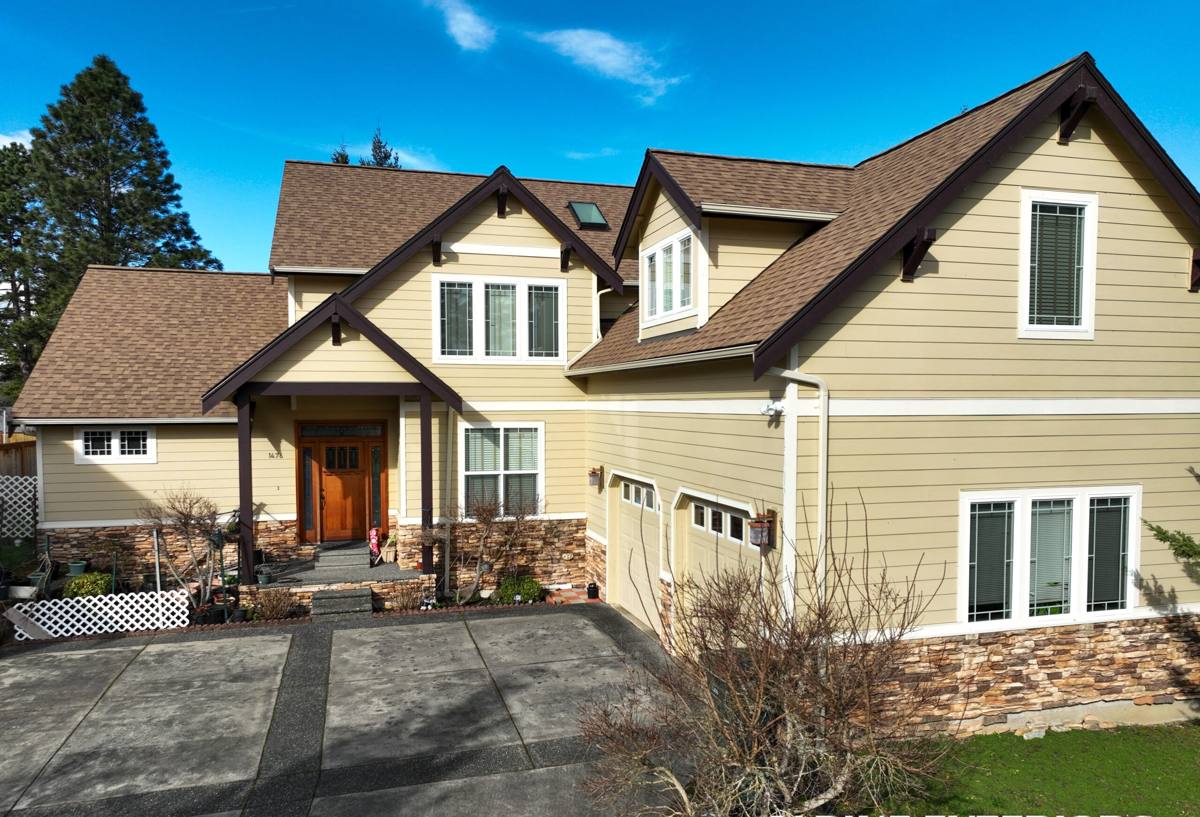
What Coastal Pinellas County Weather Does to Ordinary Windows
A window in Belleair Bluffs works harder than a window in most of the country. Four factors do most of the damage over time, and any custom window plan for this area has to account for all of them at once.
Hurricane-Force Wind and Windborne Debris
Pinellas County sits inside Florida's windborne debris region, which means new and replacement windows have to meet a wind pressure and impact standard set by the Florida Building Code — not a generic national spec. A window that's rated for a calmer inland climate can flex, leak, or fail under the pressure changes that come with a close-passing storm, even without a direct debris strike.
Year-Round UV Exposure
Florida sun is intense nearly twelve months a year. UV breaks down vinyl frames, dries out old glazing seals, and fades interior finishes near south- and west-facing glass. Low-E coatings and UV-stable frame materials aren't a luxury upgrade here — they're what keeps a window looking and performing the same in year eight as it did in year one.
Wind-Driven Rain
Storms in this area rarely bring straight-down rain. Wind pushes water sideways and up under trim, and a window that isn't flashed and sealed correctly will leak long before the frame itself ever fails. Most of the water intrusion we find at older homes isn't a bad window — it's a window that was never properly integrated with the wall's water management in the first place.
Salt Air
Being close to Clearwater Harbor and the Gulf means airborne salt settles on everything, including window hardware. Cheap fasteners, hinges, and locking mechanisms corrode faster here than almost anywhere inland, which is why hardware quality matters as much as glass quality on a coastal job.
Signs It's Time to Replace Your Windows
Not every window problem means full replacement, but several signs point to windows that are past the point of caulk-and-patch fixes:
- Fogging or a visible haze between panes of double-pane glass (a sign the seal has failed)
- Frames that are soft, discolored, or pitted, especially on the sun-facing side of the house
- Windows that are hard to open, close, or lock, or that no longer sit flush in the frame
- Visible daylight or a draft around the frame when the window is closed
- Water staining on interior trim or the wall below a window after heavy rain
- Rising energy bills with no other explanation
- Single-pane or older aluminum-frame windows with no impact or wind-rated protection
If you're seeing more than one of these on the same window, it's usually more cost-effective to replace it correctly than to keep patching around the underlying problem.
Choosing the Right Window for a Belleair Bluffs Home
There's no single "best" window for every house — the right choice depends on the home's exposure, age, and how much of the storm protection you want built into the glass itself versus handled separately with shutters or panels. Here's how the common options compare for this area:
| Option | Wind/Impact Protection | Maintenance | Best Fit |
|---|---|---|---|
| Impact-rated windows (laminated glass) | Built into the glass — no separate storm prep needed | Low; occasional hardware and seal checks | Homes wanting permanent protection without shutters |
| Non-impact windows + storm shutters/panels | Protection only when panels are installed | Moderate; panels stored, tracks maintained, must be deployed before a storm | Budget-conscious projects or homes with existing shutter systems |
| Vinyl frame | Depends on glass package, not frame material | Low; won't corrode from salt air, minimal painting | Most coastal homes; good UV and salt resistance |
| Aluminum frame | Depends on glass package, not frame material | Higher near the coast; needs corrosion-resistant hardware and finish | Homes wanting a slimmer sightline or matching existing aluminum-frame construction |
Cost varies by opening size, glass package, and frame material, and runs anywhere from a modest per-window investment for standard replacements up to a considerably higher figure for large custom shapes or full impact-glass packages. We walk through the real numbers for your specific openings during the estimate rather than quoting a one-size-fits-all price.
What a Correct Custom Window Installation Involves
The window product only does half the job. The other half is how it's installed, and this is where most of the long-term problems we see in older Belleair Bluffs homes actually started.
Opening Preparation
Before a new window goes in, we check the rough opening for square, level, and soundness. Wood or wall material that's soft, rotted, or water-damaged from years of prior leaks gets addressed before the new window is set — installing a good window into a compromised opening just hides the problem for a while.
Flashing and Sealing
This is the step that determines whether a window leaks in a wind-driven storm. Proper flashing directs water up and out and around the opening rather than trapping it against the framing. We use sealants and flashing methods suited to coastal, high-UV conditions, not generic caulk that chalks and cracks within a couple of Florida summers.
Fastening and Shimming
Impact and wind-rated windows are only rated for the wind loads they're tested at if they're fastened according to the manufacturer's specification and the local building code — correct fastener type, spacing, and embedment into sound framing. Shimming has to hold the frame square without distorting it, since a racked frame can bind hardware or compromise the seal over time.
Interior and Exterior Finish
Trim, sill pans, and interior finish work get put back cleanly, and exterior caulking and paint lines are finished so the new window looks intentional, not patched in.
Permits, Wind Load, and Florida Building Code
Window replacement in Pinellas County generally requires a permit, and the window itself has to carry a Florida Product Approval or Miami-Dade Notice of Acceptance rating appropriate for the design wind speed and windborne debris requirements of this area. This isn't paperwork for its own sake — it's what confirms the window was actually tested to hold up under the wind pressures a coastal Pinellas County home can see. We handle the permitting process as part of the job so you're not left tracking down inspections or documentation on your own, and so the finished work is tied to your home's permit record if you ever sell or need it for insurance purposes.
Our Process, From Estimate to Final Walkthrough
- On-site assessment. We look at each opening, check for existing water damage or framing issues, and talk through what you want from the windows — storm protection, energy performance, appearance, or all three.
- Product and pricing walkthrough. We go over frame material, glass package, and impact versus non-impact options with real trade-offs, not a sales script.
- Permitting. We pull the required permit and confirm the product approval documentation matches what's being installed.
- Removal and opening prep. Old windows come out carefully, and any framing or water damage found underneath gets addressed before anything new goes in.
- Installation. Windows are set, shimmed, fastened, and flashed to spec.
- Finish work. Interior and exterior trim, caulking, and cleanup.
- Final walkthrough and inspection. We confirm the windows operate correctly, and the job closes out with the required inspection sign-off.
Why Hiring a Crew That Already Works Belleair Bluffs Matters
A window contractor who mostly works inland doesn't necessarily think about salt-air hardware corrosion, wind-driven rain flashing, or the specific product approval requirements that apply along this stretch of the Pinellas coast. Working in and around Seminole and the surrounding Belleair-area communities day to day means we're used to:
- Sizing openings and matching trim on the older housing stock common in this part of the county
- Knowing what wind speed and impact rating documentation the local permitting process expects
- Flashing and sealing details that hold up against sideways, wind-driven rain rather than just vertical rainfall
- Specifying hardware and fasteners that resist salt-air corrosion instead of failing within a few seasons
- Scheduling around storm season so protection is in place before it's needed, not during a scramble
That local pattern-recognition is the difference between a window that looks right on installation day and one that's still performing correctly five or ten Florida summers later.
Caring for Your New Windows
A correctly installed, properly rated window still needs basic upkeep in this climate. A short seasonal routine goes a long way:
- Rinse frames and glass periodically to clear salt residue, especially after windy weeks with onshore breeze
- Check and lightly lubricate locks, hinges, and rollers so hardware doesn't seize or corrode unnoticed
- Inspect exterior caulking once a year and touch up any cracked or separated sealant before rainy season
- Test that every window still opens, closes, and locks fully — a locked, sealed window is part of your storm protection
- Keep an eye on interior sills and trim after heavy storms for any sign of new moisture
None of this takes long, but skipping it is how a well-installed window ends up needing early attention that could have been avoided.
Get a Free, No-Pressure Estimate
If your windows are original to the house, showing wear, or you just want to know whether they'd hold up in the next storm, we're happy to take a look. Use the form below to request a free estimate for custom window work in Belleair Bluffs — no pressure, just a straight assessment of what your home actually needs.