 Seminole Siding
 Why Belleair Bluffs Siding Has to Work Harder Than Most
Belleair Bluffs sits in one of the more exposed pockets of Pinellas County — close enough to the Intracoastal and the Gulf that salt-laden air reaches every home in the neighborhood, not just the ones with a water view. Add in the sun exposure of a Florida summer, the wind-driven rain that comes with our seasonal storms, and the real possibility of hurricane-force gusts, and you have a set of conditions that will find every weakness in a home's exterior. Siding here isn't just a cosmetic layer. It's the first line of defense against water intrusion, wood rot, and wind damage, and it has to hold up to all of it at once, year after year.
We work this neighborhood regularly as part of our broader service area around Seminole, and the pattern is consistent: homes with the wrong siding material, or siding that was installed without attention to water management, show problems years before they should. Homes with the right product installed correctly hold their color, their shape, and their seal for decades.
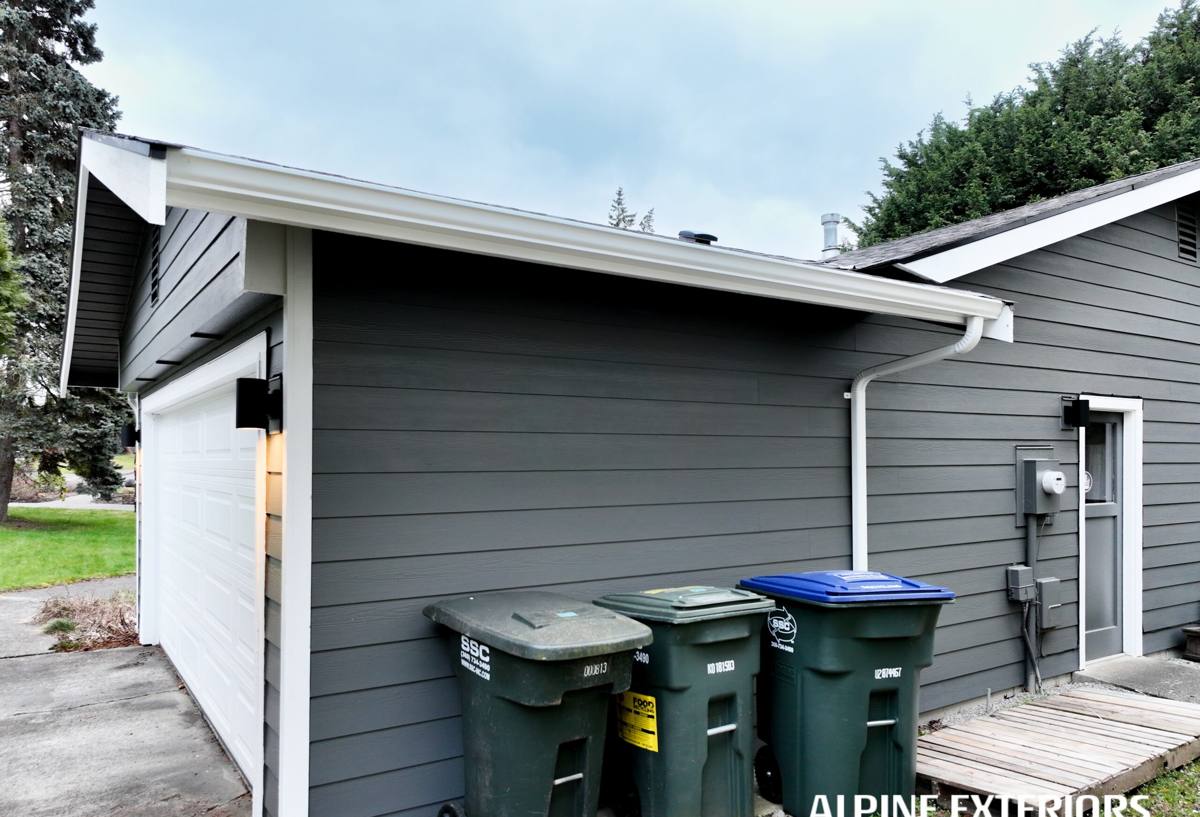
What Coastal Pinellas County Weather Does to the Wrong Siding
Every siding material reacts differently to sun, salt, and moisture, and none of those reactions are kind if the material isn't built for this climate.
- Wood siding and trim absorb moisture at seams and end cuts, and once rot starts underneath a painted surface it's often invisible until the damage is structural.
- Vinyl siding softens, warps, or deforms under sustained high heat and direct sun, especially on south- and west-facing walls, and it can crack in wind-driven debris during storms.
- Unfinished or field-painted wood-based products need repainting on a short cycle to keep water out, and skipping a cycle in a humid, salt-air environment shortens the material's life fast.
- Fasteners, trim, and flashing that aren't corrosion-resistant degrade faster near the coast, which can compromise the whole assembly even if the siding panel itself is intact.
None of this is a knock on any one brand — it's just physics. Salt air, UV, and wind-driven rain are relentless, and a siding system either accounts for them or it doesn't.
Why We Install Only James Hardie Fiber Cement
We made a decision a long time ago to install one siding system: James Hardie fiber cement. We don't install vinyl, LP SmartSide, primed wood, cedar, or other fiber cement brands, and that's a deliberate standard, not a limitation of what we're capable of doing. Fiber cement is a blend of cement, sand, and cellulose fibers, which makes it non-combustible and dimensionally stable — it doesn't expand, contract, warp, or soften the way vinyl and wood-based products can in Florida heat.
James Hardie also builds region-specific product lines through its HZ5 engineering, which is formulated for the exact combination of humidity, moisture cycling, and temperature swings that hit the Gulf Coast. On top of that, most of what we install uses Hardie's ColorPlus factory finish — baked-on color applied under controlled conditions, backed by its own finish warranty, rather than field-applied paint that has to fight Florida sun and salt air from day one. Between the substrate and the finish, it's a system built specifically for the conditions Belleair Bluffs homes actually face, and it comes with a strong transferable warranty when installed to Hardie's specifications — which is the other half of the equation.
What a Correct Fiber Cement Siding Installation Actually Involves
Fiber cement is only as good as the installation behind it. A quality product installed poorly will still fail — usually at the seams, the flashing, or the fastening — well before the material itself would have given out.
Water Management Behind the Siding
Everything starts with the water-resistive barrier and flashing details, because siding is the visible layer of a system that's actually designed to shed water that gets past it. Flashing at windows, doors, and roof-to-wall transitions has to be layered correctly — upper courses over lower courses — so water is directed out and down, never trapped behind the panel. This is the step that's easiest to rush and hardest to inspect once the siding is up, which is exactly why it matters most.
Fastening, Gaps, and Clearances
James Hardie specifies fastener type, spacing, and placement, along with minimum clearances from rooflines, decks, and grade. Panels also need proper gapping at butt joints and trim to allow for the material's minor moisture-driven movement — tight-butted joints with no room to move are a common cause of cracking and paint failure down the line, and it's a shortcut that isn't visible from the ground.
Factory Finish vs. Field-Painted Siding
When ColorPlus prefinished siding is cut, the cut edges need to be sealed with the manufacturer's touch-up product to keep raw material from absorbing moisture. Skipping this step is a small labor savings that shows up later as staining or deterioration right at the cut lines — usually around windows, corners, and trim, which are also the spots most exposed to wind-driven rain.
How Our Process Works in Belleair Bluffs
Because we work this part of Seminole and the surrounding Pinellas County coastline regularly, our process is built around what actually holds up here, not a generic national install.
- On-site assessment. We look at the existing siding, sheathing, and any trouble spots — window and door flashing, roof-to-wall transitions, areas showing past water intrusion — before we ever talk product or price.
- Removal and substrate check. Old siding comes off and we inspect the sheathing underneath. Any rot or damage gets addressed before new siding goes on; covering a compromised substrate just hides the problem.
- Water-resistive barrier and flashing. We install or verify the house wrap and flashing at every penetration and transition, since this layer does the real waterproofing work.
- Hardie panel and trim installation. Panels, trim, and accessories go on to manufacturer spec — correct fastening, correct gapping, correct clearances — matched to the HZ5 product line suited to our climate.
- Finish detailing. Cut edges are sealed, caulking is applied where specified, and every seam and transition is checked before we consider the job finished.
- Final walkthrough. We go over the completed work with the homeowner, not just to point out the finished product but to explain what was done and why.
Comparing Siding Materials for Belleair Bluffs Homes
Homeowners comparing siding materials for a coastal Pinellas County property are usually weighing the same handful of factors. Here's how the main options stack up against the conditions this neighborhood actually deals with.
| Factor | James Hardie Fiber Cement | Vinyl Siding | Wood / Primed Wood-Based |
|---|---|---|---|
| Heat and UV stability | Dimensionally stable, factory-finish resists fading | Can soften or warp in high heat | Prone to fading, cracking, and checking |
| Wind-driven rain and moisture | Engineered for climate, non-combustible | Seams and panels vulnerable to wind uplift | Absorbs moisture at joints and end cuts |
| Salt air exposure | Not corroded by salt; finish holds up well | Can become brittle over time near the coast | Accelerated rot and paint failure |
| Maintenance cycle | Occasional wash; no repainting with ColorPlus | Low maintenance but limited repair options | Regular repainting and sealing required |
| Fire resistance | Non-combustible | Combustible | Combustible |
What Drives the Cost of a Fiber Cement Job
Every home is different, so we don't quote firm numbers without seeing the property, but the same factors move the price up or down on almost every job we look at in this area.
| Cost Factor | Why It Matters |
|---|---|
| Home size and wall complexity | More square footage and more corners, gables, and trim details mean more material and labor |
| Substrate condition | Rotted sheathing found during removal has to be repaired before new siding goes on |
| Panel style and profile | Lap width, shingle-style panels, and trim details vary in material and labor cost |
| Factory finish vs. custom color | ColorPlus finishes carry their own pricing versus standard color options |
| Site access and existing siding removal | Tear-off and disposal of the old siding adds labor time |
What to Look For in a Belleair Bluffs Siding Contractor
Fiber cement installation is unforgiving of shortcuts, and a lot of the mistakes that cause problems later aren't visible on the day the job is finished. Here's what's worth confirming before you hire anyone:
- Ask specifically how they handle flashing at windows, doors, and roof-to-wall transitions — this is where most water problems start.
- Confirm they follow James Hardie's published fastening and clearance specifications, not a generic installation method.
- Ask whether cut edges get sealed with manufacturer-approved touch-up product, especially around trim and openings.
- Find out if they're familiar with wind-load and code requirements for Pinellas County, since hurricane-zone installation standards aren't optional here.
- Ask how they handle substrate repair if they find rot or damage once old siding comes off — and make sure that's addressed before new siding goes up, not covered over.
- Get clarity on what's covered under the manufacturer's warranty versus the installer's workmanship warranty, and what could void either one.
Caring for Fiber Cement Siding After It's Installed
One of the real advantages of a correctly installed James Hardie system is how little upkeep it asks for compared to wood or repainted surfaces. An occasional rinse to clear salt residue and dust keeps the ColorPlus finish looking as intended, and there's no repainting cycle to plan around. That said, it's worth doing a simple visual check after major storms — looking for any panels that seem loose, caulking that's separated, or trim that's come away from the wall — since catching a small issue early is a lot less costly than letting wind-driven rain find its way behind the siding over a full season.
If you're weighing siding options for a home in Belleair Bluffs or anywhere nearby in Seminole, we're happy to take a look and walk you through what we'd recommend and why — no pressure, no obligation. Use the form below to request a free estimate.