 Seminole Siding
 Custom Windows Built for What Belleair Actually Deals With
Belleair sits right up against the Gulf, which means the homes here take a different kind of beating than houses even a few miles inland. Salt-laden air moves through constantly, summer storms bring wind-driven rain at angles that find every weak seam, and the sun is intense enough, year-round, to break down materials that would last decades somewhere with real seasons. Windows are one of the first things on a house to show that wear, and one of the most expensive things to get wrong. A custom window job here isn't just about picking a style out of a catalog — it's about matching the product, the installation method, and the detailing to a coastal Pinellas County environment that doesn't forgive shortcuts.
This page covers what we actually look at when we're doing custom window work in Belleair specifically: what the climate does to windows over time, what a correct installation involves, how our process works, and why local experience matters more here than it does in most parts of the country.
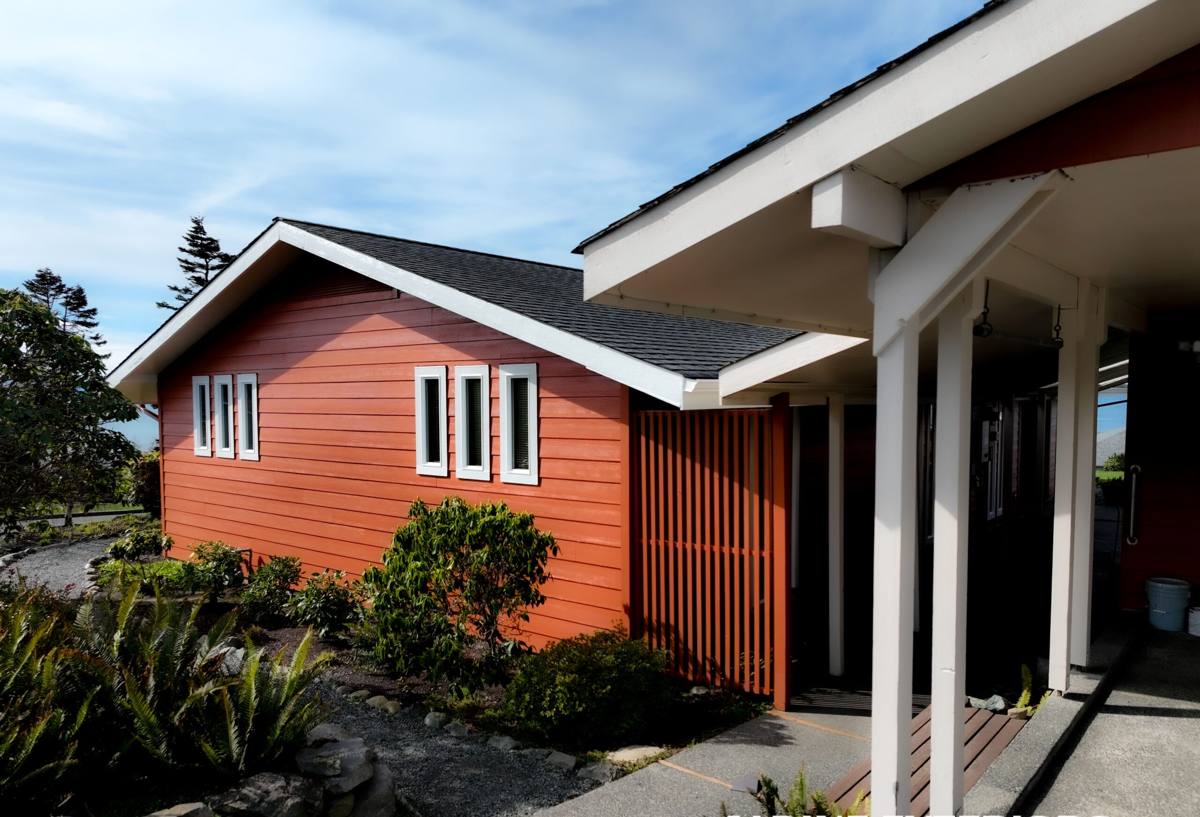
What Belleair's Coastal Climate Does to Ordinary Windows
Hurricane-Force Wind and Pressure
Belleair is close enough to open water that wind loads during tropical storms and hurricanes are a real design factor, not a theoretical one. Windows that aren't rated for the wind pressures typical of this part of Pinellas County can flex, leak, or fail outright during a strong storm — and a single failed window can pressurize a house and cause roof and structural damage far beyond the window opening itself.
Wind-Driven Rain
Even outside of named storms, Gulf-driven weather regularly pushes rain sideways instead of straight down. Ordinary residential windows are built to shed rain that falls on them, not rain that's being driven horizontally into the frame under pressure. Over time, that difference shows up as water staining, soft spots in surrounding wall material, and mold that starts inside the wall cavity before anyone notices it.
Year-Round UV Exposure
Florida sun is relentless on window components that people don't think about — vinyl frames chalk and go brittle, seals dry out and shrink, and gas-filled insulated glass units can lose their seal years earlier than they would in a milder climate. UV damage is slow and cosmetic at first, then suddenly it isn't.
Salt Air Corrosion
Metal hardware, screws, hinges, and certain frame materials corrode faster this close to the water. Salt air gets into every mechanical part of a window — locks, balances, rollers — and once corrosion starts, it's usually a maintenance problem for the life of that window, not a one-time fix.
What "Custom" Actually Means for a Belleair Window Job
Belleair has a real mix of housing stock — older, well-established homes alongside newer construction — and that mix is exactly why "custom" matters more here than in a subdivision full of identical floor plans. Older homes often have openings that have shifted slightly out of square over the decades, non-standard sizes, or architectural details (arched tops, unusual proportions, multi-window groupings) that off-the-shelf sizing simply doesn't fit. Installing a stock-size window into an opening that isn't stock-size is one of the most common sources of long-term leaks and drafts we see.
Custom work means we take actual field measurements of each opening, account for any settling or squaring issues, and either special-order or fabricate windows that match the real dimensions — not the dimensions a builder used forty years ago. It also means matching the new windows to the house's existing look, especially on street-facing elevations where mismatched trim or grille patterns stand out immediately.
Impact-Rated Glass and Building Code in Pinellas County
Pinellas County, including Belleair, falls within Florida's High-Velocity Hurricane Zone design considerations for coastal wind exposure, and window replacements are subject to Florida Building Code wind-load and impact requirements based on your property's specific location and exposure category. What that means in practice: not every window sold nationally is legal to install here, and permitting matters. We pull permits and use products carrying the appropriate Florida product approval for the wind zone your home sits in — this isn't optional paperwork, it's what keeps your insurance and resale clean.
| Approach | How It Works | Trade-Offs |
|---|---|---|
| Impact-Rated Windows | Laminated glass stays intact under impact; no separate hardware needed during a storm | Higher upfront cost per opening; heavier glass units |
| Standard Glass + Removable Shutters | Lower-cost glass, protection added only when a storm is approaching | Requires someone home (or hired) to install shutters before every storm; gaps if that doesn't happen |
| Standard Glass, No Protection | Lowest upfront cost | Does not meet code in most wind-rated zones here; not something we install as a stand-alone solution |
We'll walk you through which category applies to your specific address and elevation — it varies more than people expect, even between neighboring properties.
Frame Material Options for a Salt-Air Environment
Frame material affects how a window ages in this climate more than almost any other single choice. Here's how the common options actually perform near the Gulf:
| Frame Material | Salt-Air Resistance | Maintenance | Best Fit |
|---|---|---|---|
| Vinyl | Good — won't corrode, but can chalk/fade under sustained UV | Low; occasional cleaning | Most residential replacements; budget-conscious upgrades |
| Aluminum | Fair — strong but prone to pitting/corrosion over time near salt water without proper coating | Moderate; hardware needs periodic attention | Larger openings, contemporary styles |
| Fiberglass | Excellent — dimensionally stable, resists corrosion and UV breakdown well | Low | Homes wanting long service life with minimal upkeep |
| Wood-Clad | Requires diligent sealing and upkeep to prevent moisture intrusion at the cladding joint | High | Historic-style homes where interior wood look is a priority |
We don't push one material on every job. The right call depends on your budget, how the home is oriented to wind and sun, and how much upkeep you actually want to do.
What Drives Cost on a Custom Job
| Factor | Relative Cost Impact |
|---|---|
| Impact-rated glass vs. standard | Medium-High |
| Non-standard opening size or shape | Medium |
| Frame material (fiberglass/wood-clad vs. vinyl) | Medium-High |
| Number of openings replaced at once | Lower per-unit cost as count increases |
| Structural repair needed at the opening | Variable — depends on extent of damage found |
Our Custom Window Installation Process
A window is only as good as its installation — even the best-rated product will leak, jam, or fail early if it's set incorrectly. Here's how we handle it:
- On-site assessment: We inspect each opening, check for square, and look for hidden moisture or structural issues around the existing frame before quoting anything.
- Accurate measurement and product selection: Field measurements drive the order, not assumed standard sizes, and we match glass rating, frame material, and style to your home and wind zone.
- Permitting: We handle the permit application with the appropriate wind-load and product approval documentation for your property.
- Removal: Old units come out carefully to avoid unnecessary damage to surrounding stucco, siding, or trim.
- Opening prep: Any rot, rusted fasteners, or out-of-square framing gets corrected before the new window goes in — this step gets skipped by rushed crews and it's where most future leaks originate.
- Installation and flashing: Proper flashing and sealant work around the frame is what actually stops wind-driven rain — the window itself is only part of the water-management system.
- Final inspection and cleanup: We check operation, seal integrity, and code compliance, then walk the job with you before we consider it done.
Signs Your Current Windows Are Already Failing
A lot of window damage in this climate is gradual, so homeowners often don't notice until it's a bigger problem. Watch for:
- Fogging or haze between panes of double-pane glass (a sign the seal has failed)
- Windows that stick, won't stay open, or are hard to lock
- Visible gaps, drafts, or whistling during windy conditions
- Chalky, faded, or brittle-feeling frame surfaces
- Water staining or soft drywall/trim near the window after heavy rain
- Rust or corrosion on hinges, locks, or hardware
- A noticeable jump in cooling costs without another explanation
Why Hire a Crew That Already Works in Belleair
Window work in a coastal Pinellas County town isn't the same trade as window work fifty miles inland. A crew that regularly works Belleair already knows what the local wind-zone and permitting requirements typically look like, has seen how the area's mix of older and newer construction tends to behave at the window openings, and isn't guessing at flashing details for a house that's been absorbing salt air and storm pressure for years. That familiarity shows up in fewer surprises during the job and fewer callbacks after it — the kind of thing you only really appreciate the first time a bad storm rolls through and the windows just do their job.
Keeping Custom Windows Performing After Install
Even a correctly installed, well-rated window benefits from basic upkeep in a salt-air environment. Rinse frames and hardware periodically to clear salt buildup, keep weep holes clear of debris so water can drain as designed, and have seals and caulking checked every few years rather than waiting for a visible leak. None of this is complicated, but skipping it shortens the life of even a good window.
If your Belleair home has windows that are drafty, foggy, hard to operate, or you're simply planning ahead of the next storm season, we're happy to take a look and give you a straight answer on what your home actually needs — no pressure, no upsell. Use the form below to request a free estimate.